
 EN
EN
 ar
ar bg
bg hr
hr cs
cs da
da nl
nl fi
fi fr
fr de
de el
el hi
hi it
it ko
ko no
no pl
pl pt
pt ro
ro ru
ru es
es sv
sv tl
tl iw
iw id
id lv
lv lt
lt sr
sr sk
sk sl
sl uk
uk vi
vi et
et hu
hu th
th tr
tr fa
fa ms
ms hy
hy ka
ka ur
ur bn
bn mn
mn ta
ta kk
kk uz
uz ku
ku
Inclinometer
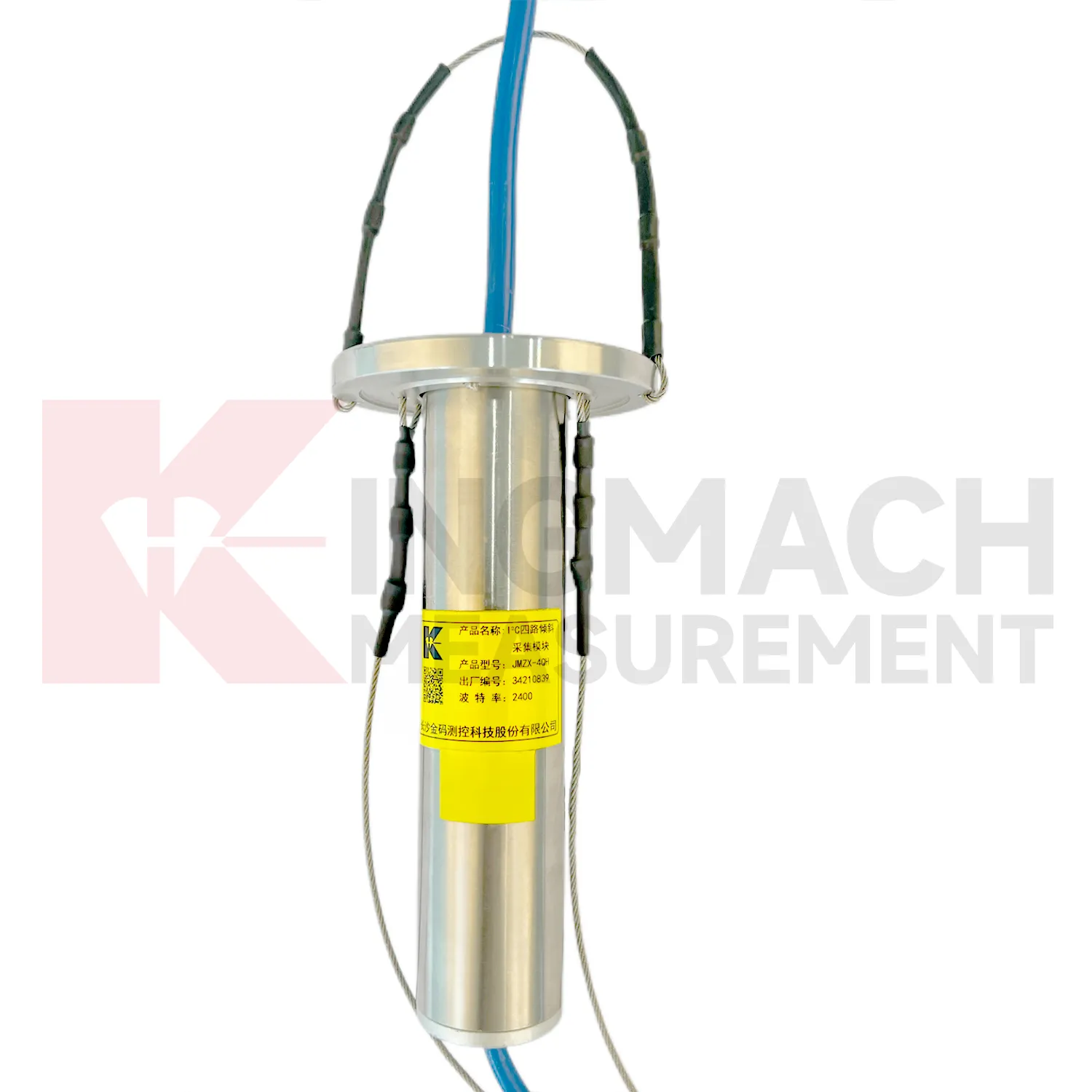
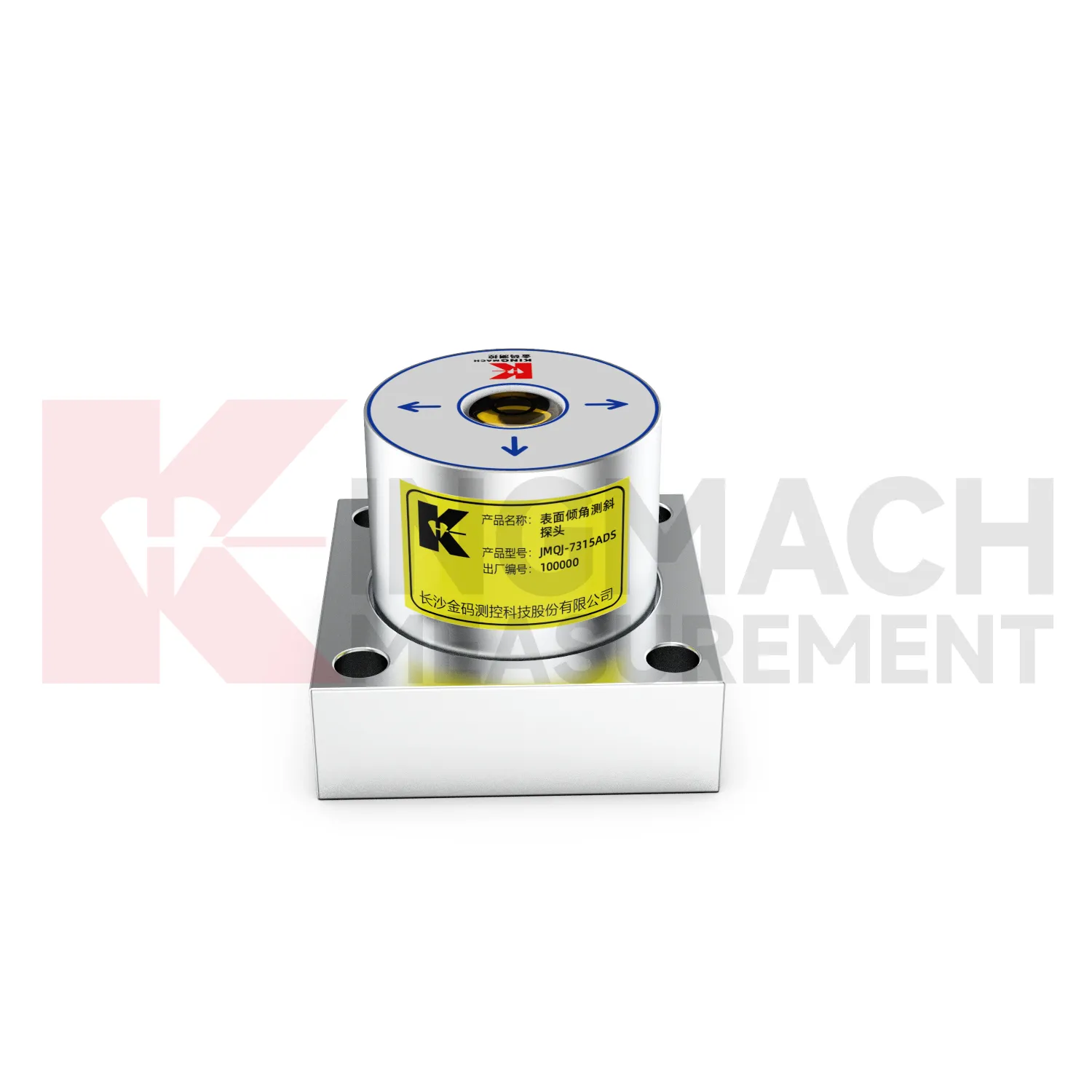
Kingmach Inclinometer for category-level tilt monitoring are designed for bridges, tunnels, slopes, buildings, foundation pits, railways, dams, embankments, underground works, and geological hazard areas. The category includes fixed tilt sensors, integrated wireless tilt units, vertical in-place inclinometer strings, sliding inclinometer instruments, and acquisition modules. Product pages describe high-sensitivity sensing elements, real-time monitoring, strong anti-interference ability, easy installation, and adaptability to harsh environments. The practical role of the category is to observe angular change, deep internal deformation, and horizontal displacement patterns that may not be visible through ordinary survey methods. A complete tilt monitoring plan should define measuring axis, range, mounting surface, borehole depth, communication method, power supply, baseline date, and related instruments. That level of detail helps engineers interpret small angular changes without losing the connection to the structure or ground body being monitored.
Application of Inclinometer
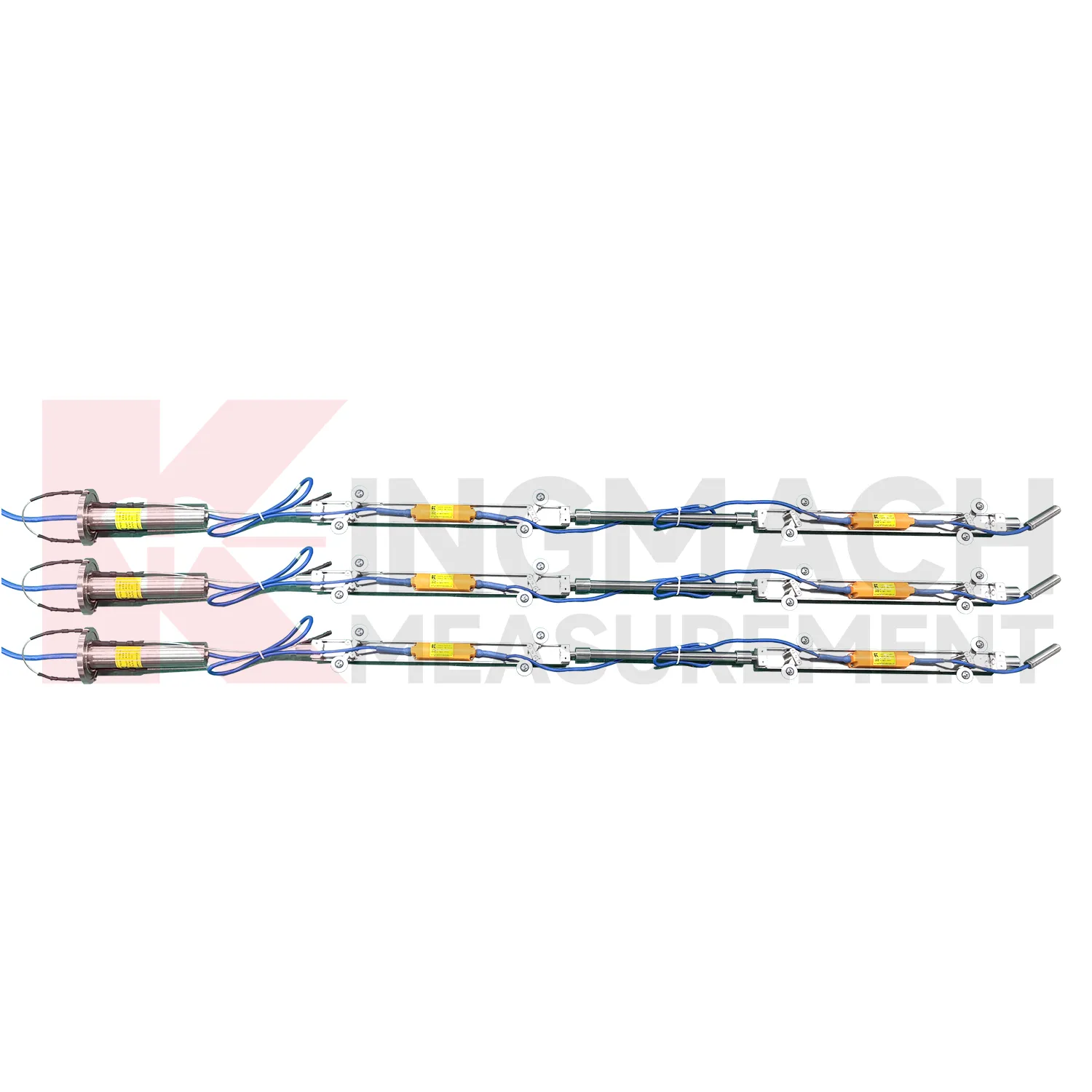
Slope and geological hazard monitoring use Inclinometer to detect internal movement before the surface condition becomes clear. JMQJ-7915ATS is especially relevant because its multi-point in-place inclinometer string can observe deformation at different depths inside a borehole. JMZX-7100L can also be used for sliding inclinometer profiling in geotechnical slopes, dams, embankment slopes, and port engineering. Slope tilt or inclinometer data should be read with rainfall, groundwater, crack width, surface displacement, retaining structure movement, and construction disturbance. The key question is often depth: is the movement shallow, deep, or concentrated along one weak layer? A borehole profile with consistent point naming and stable orientation gives engineers better evidence for warning, inspection, and stabilization planning.
The future of Inclinometer
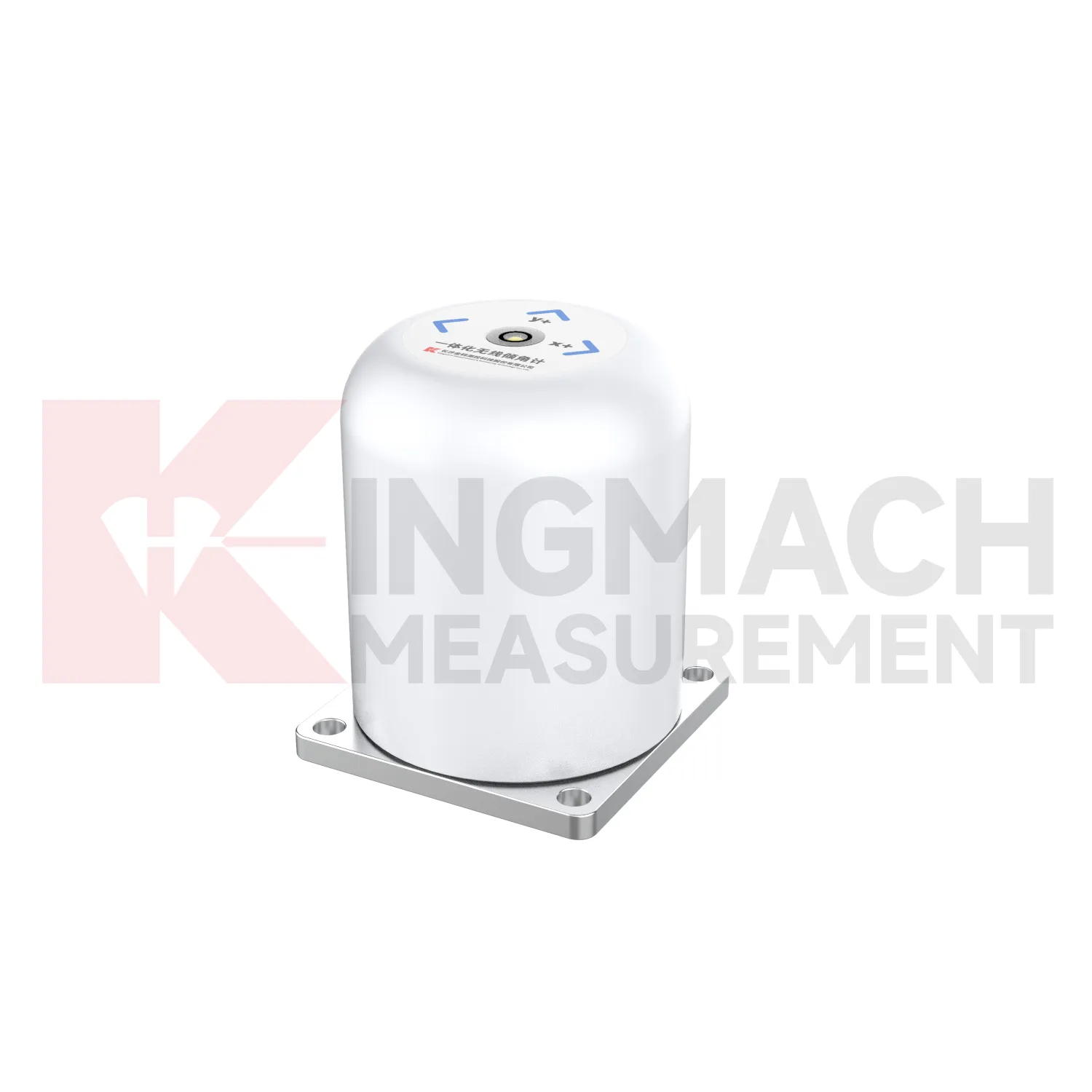
The future of Inclinometer will be shaped by cleaner digital records. Tilt monitoring often continues after the construction team leaves, so a future-ready file should keep model, range, serial number, axis direction, baseline, mounting photograph, channel address, communication mode, battery record, and maintenance notes together. Kingmach products already include electronic codes, digital communication, 4G output, and acquisition modules that can support this direction. The next step is making those records easy to hand over from contractor to owner. A tilt curve without installation context can be difficult to interpret years later. A tilt curve with a clear instrument history can support inspection, maintenance planning, and engineering review across the full service life of the structure.
Care & Maintenance of Inclinometer
Battery and power checks keep Inclinometer reliable in remote monitoring. JMQJ-7315RTU uses a 3.6V 38AH battery, while other instruments use DC 9V to 24V power or acquisition modules with standby and operating power modes. Maintenance staff should record battery status, power supply voltage, sleep interval, measurement interval, and any power outage. For low-power systems, confirm that sensors wake correctly during scheduled measurement. For wired cabinets, inspect terminals, fuses, grounding, moisture, and cable strain. A low-voltage condition can create missing data or unstable communication before a total failure appears. Power records are especially important for slopes, bridges, railways, and dams where access may be limited after installation.
Kingmach Inclinometer
For automated monitoring, Kingmach Inclinometer can reduce the need for repeated manual survey work in hidden or hazardous locations. Fixed and integrated units can connect to acquisition systems, while in-place inclinometer strings can collect multi-depth data through an orifice module. JMQJ-7315RTU is designed for remote unattended automatic measurement using 4G wireless communication. JMQJ-7915ATS supports wired or wireless upload from the acquisition module, and its low-power mode activates sensors only during data measurement. These features matter where access is restricted by traffic, excavation, weather, or operating infrastructure. Automation does not remove the need for field checks, but it gives owners a continuous record that can be compared with rainfall, groundwater, blasting, train operation, loading, or nearby construction events.
FAQ
Q: What are Inclinometer used for?
A: They measure angular change or internal deformation in bridges, buildings, railways, slopes, dams, foundation pits, tunnels, and other structures where tilt or deep movement must be monitored.Q: Which Kingmach model is used for fixed structural tilt?
A: JMQJ-7315ADS is a fixed MEMS tiltmeter with +/-15 degree dual-axis range, 0.001 degree resolution, RS485 output, and IP68 protection.Q: When is JMQJ-7315RTU useful?
A: It is useful when wireless remote monitoring is needed because it combines MEMS tilt sensing, 4G digital output, and battery power.Q: What does JMQJ-7915ATS measure?
A: It measures multi-point inclination inside a borehole using a vertical in-place inclinometer string and an orifice acquisition module.Q: Can tilt data be used with other sensors?
A: Yes. It is often reviewed with settlement, displacement, strain, load, water level, rainfall, vibration, and inspection records.
Reviews
Christopher Martinez
Very satisfied with the readouts & data loggers. User-friendly interface and supports multiple sensor inputs.
Matthew Garcia
Instrumentation cables are durable and perform well even in harsh environments. Will definitely order again.
Latest Inquiries
To protect the privacy of our buyers, only public service email domains like Gmail, Yahoo, and MSN will be displayed. Additionally, only a limited portion of the inquiry content will be shown.
Harper***@gmail.comIndia
Dear Sir, we are planning to procure a complete monitoring system including strain gauges, tiltmeter...
Olivia***@gmail.comUnited States
Hello, we are currently sourcing high-precision strain gauges and load cells for a bridge monitoring...