
 EN
 ar
 bg
 hr
 cs
 da
 nl
 fi
 fr
 de
 el
 hi
 it
 ko
 no
 pl
 pt
 ro
 ru
 es
 sv
 tl
 iw
 id
 lv
 lt
 sr
 sk
 sl
 uk
 vi
 et
 hu
 th
 tr
 fa
 ms
 hy
 ka
 ur
 bn
 mn
 ta
 kk
 uz
 ku

angle sensor
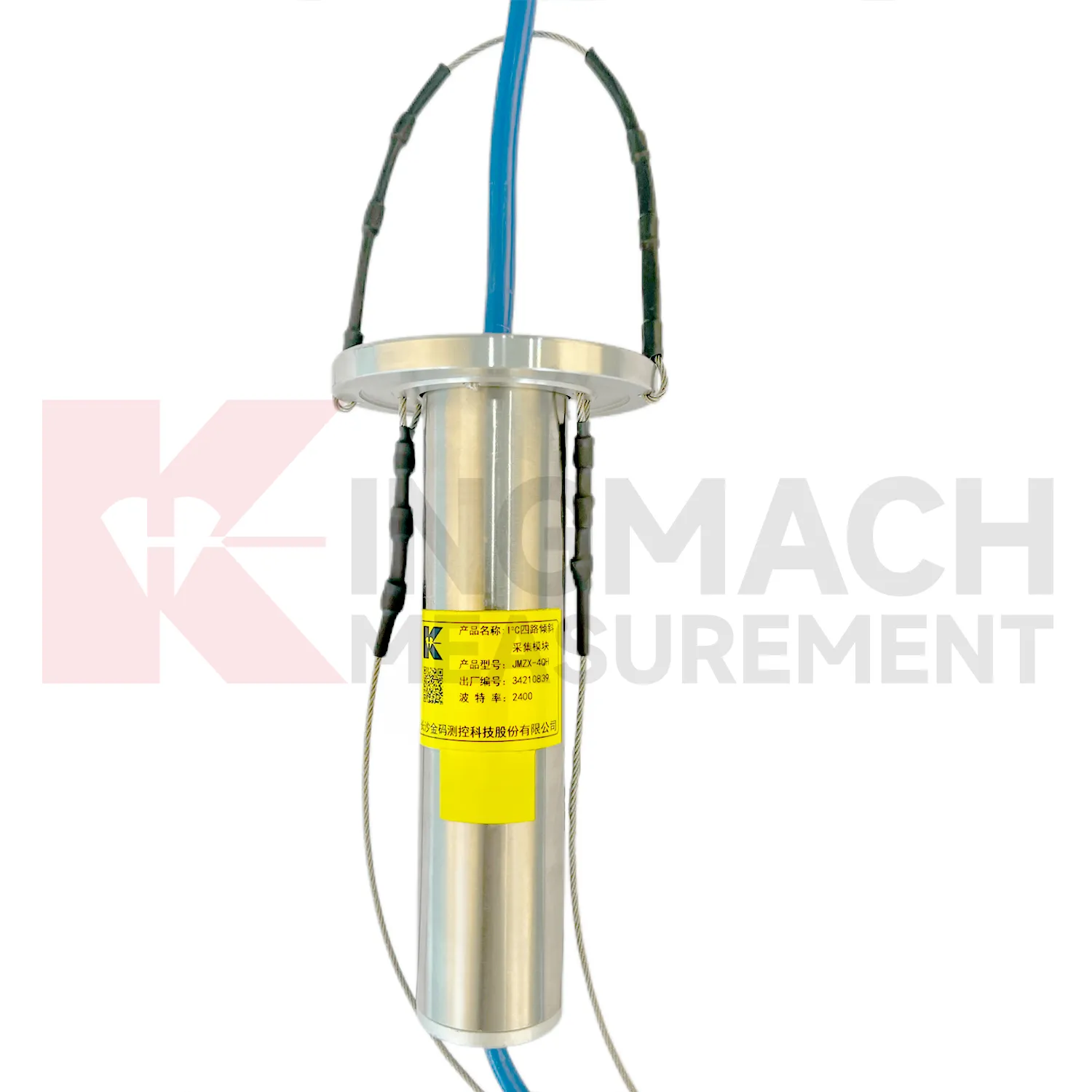
Kingmach angle sensor for category-level tilt monitoring are designed for bridges, tunnels, slopes, buildings, foundation pits, railways, dams, embankments, underground works, and geological hazard areas. The category includes fixed tilt sensors, integrated wireless tilt units, vertical in-place inclinometer strings, sliding inclinometer instruments, and acquisition modules. Product pages describe high-sensitivity sensing elements, real-time monitoring, strong anti-interference ability, easy installation, and adaptability to harsh environments. The practical role of the category is to observe angular change, deep internal deformation, and horizontal displacement patterns that may not be visible through ordinary survey methods. A complete tilt monitoring plan should define measuring axis, range, mounting surface, borehole depth, communication method, power supply, baseline date, and related instruments. That level of detail helps engineers interpret small angular changes without losing the connection to the structure or ground body being monitored.
Application of angle sensor
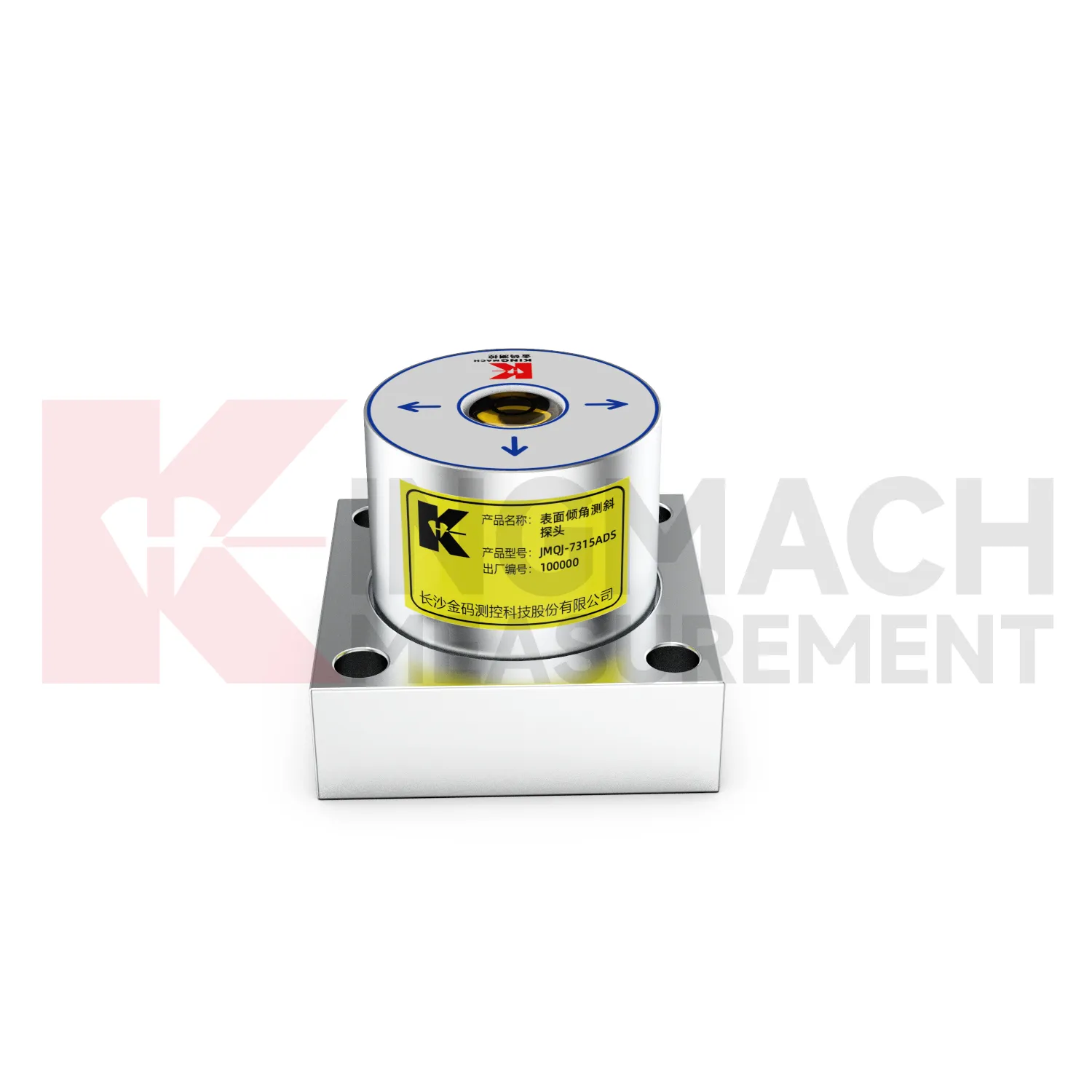
Building monitoring uses angle sensor when column lines, basement walls, adjacent structures, or old buildings near construction activity need tilt records. JMQJ-7315ADS can measure angular change relative to the horizontal plane, and JMQJ-7315RTU can provide wireless reporting for remote or occupied sites. The data should be checked against foundation settlement, crack observations, groundwater changes, nearby excavation, demolition, pile driving, and load changes. Building tilt is often small, so installation quality matters. The mounting surface must be firm, the sensor axis must be recorded, and the baseline should be taken after the sensor has stabilized. For old or damaged buildings, clear point labels and photographs are important because many parties may review the same data during a long project.
The future of angle sensor
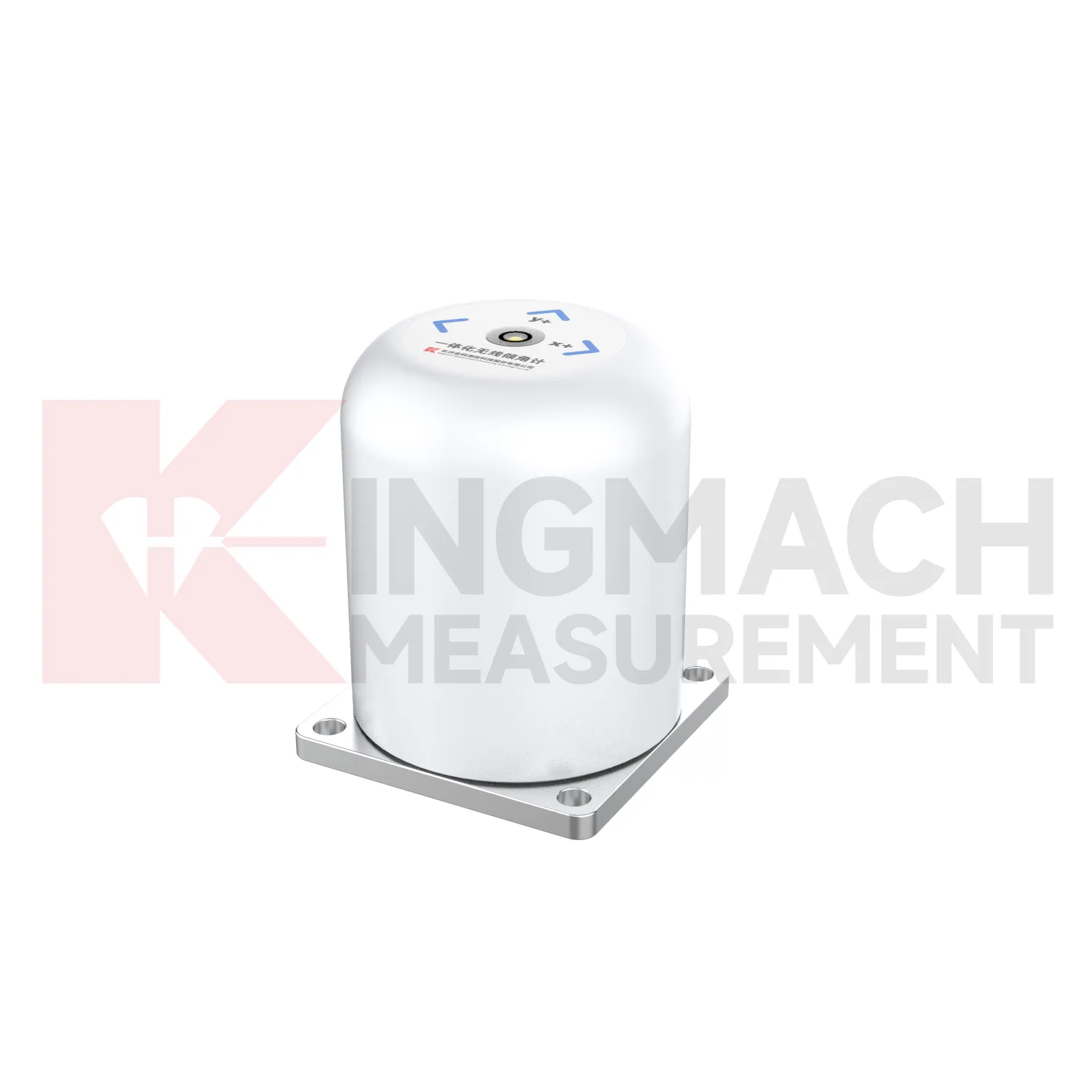
Wireless monitoring will play a larger role in future angle sensor projects. JMQJ-7315RTU already combines MEMS tilt sensing with 4G digital output and battery power, which helps when cable routes are long, exposed, or disruptive. Future projects will likely use wireless tilt points on bridges, buildings, slopes, towers, and temporary construction structures where fast deployment matters. Wireless work still needs disciplined planning: antenna location, sampling interval, battery status, data upload timing, and fallback field checks must be defined. The best wireless tilt record will not simply send more data; it will send the right data with enough context for engineers to understand what changed, when it changed, and whether the site needs inspection.
Care & Maintenance of angle sensor
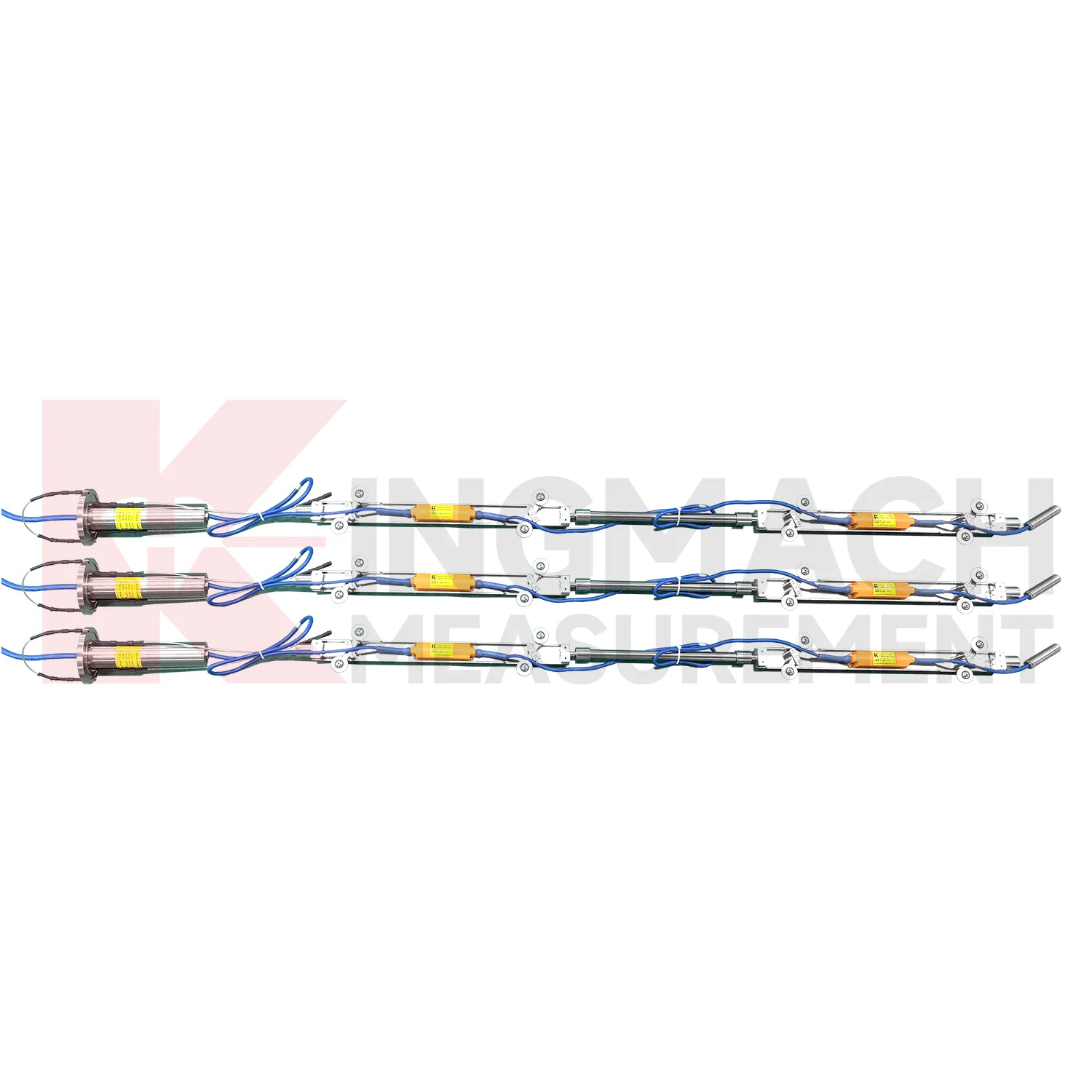
Baseline maintenance for angle sensor should be treated as a controlled record. The first value should be taken after the sensor, bracket, borehole string, or casing has stabilized. Do not reset a baseline silently when a curve looks inconvenient. If the point is moved, recalibrated, repaired, or replaced, keep the old value, new value, date, reason, technician, and related photographs. For in-place inclinometer systems, record depth position and group communication information. For sliding inclinometer work, keep the casing reference and reading direction consistent. A visible baseline history makes long-term tilt data easier to defend during review, especially when monitoring extends across construction stages and ownership handover.
Kingmach angle sensor
For automated monitoring, Kingmach angle sensor can reduce the need for repeated manual survey work in hidden or hazardous locations. Fixed and integrated units can connect to acquisition systems, while in-place inclinometer strings can collect multi-depth data through an orifice module. JMQJ-7315RTU is designed for remote unattended automatic measurement using 4G wireless communication. JMQJ-7915ATS supports wired or wireless upload from the acquisition module, and its low-power mode activates sensors only during data measurement. These features matter where access is restricted by traffic, excavation, weather, or operating infrastructure. Automation does not remove the need for field checks, but it gives owners a continuous record that can be compared with rainfall, groundwater, blasting, train operation, loading, or nearby construction events.
FAQ
Q: What is the difference between a fixed tiltmeter and a sliding inclinometer?
A: A fixed tiltmeter monitors one installed point continuously, while a sliding inclinometer is moved through casing to build a deformation profile by depth.Q: What is the difference between JMQJ-7315ADS and JMQJ-7315RTU?
A: JMQJ-7315ADS is a wired RS485 fixed tiltmeter, while JMQJ-7315RTU integrates wireless 4G communication and battery-powered remote monitoring.Q: When should a vertical in-place inclinometer be used?
A: Use it when deep internal deformation needs multi-point automatic monitoring inside a borehole rather than occasional manual profiling.Q: What does the JMZX-4QH module do?
A: It collects measurement data from multi-point vertical in-place inclinometer strings and uploads the data through wired or wireless means.Q: How should tilt alarms be reviewed?
A: Review angle change with rate, direction, nearby instruments, weather, construction activity, and visual inspection before deciding the response.
Reviews
Matthew Garcia
Instrumentation cables are durable and perform well even in harsh environments. Will definitely order again.
Robert Taylor
The weir flow meter is well-built and delivers accurate measurements. Great value for water management applications.
Latest Inquiries
To protect the privacy of our buyers, only public service email domains like Gmail, Yahoo, and MSN will be displayed. Additionally, only a limited portion of the inquiry content will be shown.
Sophia***@gmail.comUnited Kingdom
Good day, we need environmental monitoring sensors including temperature, humidity, and wind sensors...
Isabella***@gmail.comGermany
Hello, we are evaluating weir flow meters for a water management project. Please share accuracy deta...