
 EN
EN
 ar
ar bg
bg hr
hr cs
cs da
da nl
nl fi
fi fr
fr de
de el
el hi
hi it
it ko
ko no
no pl
pl pt
pt ro
ro ru
ru es
es sv
sv tl
tl iw
iw id
id lv
lv lt
lt sr
sr sk
sk sl
sl uk
uk vi
vi et
et hu
hu th
th tr
tr fa
fa ms
ms hy
hy ka
ka ur
ur bn
bn mn
mn ta
ta kk
kk uz
uz ku
ku
weir flow meter China
Kingmach weir flow meter China turns a small water level change into a usable flow trend. Many water projects do not need only a single discharge value; they need to know whether flow is rising, falling, delayed after rainfall, reduced after sediment build-up, or affected by upstream operation. The weir point gives a control section, while the water head record gives the time-based signal. Engineers can then compare flow with rainfall, gate operation, pump status, drainage reports, seepage observation, or field inspection. This makes the record useful for operation and diagnosis. A flow increase during rain may be expected, but a flow increase during dry conditions may need attention. A slow decline may point to blockage or changed channel conditions. The product information can make these review paths clear without presenting the meter as a standalone device. The field record should explain the water path, the condition before the reading changed, the inspection access, and whether nearby operations or weather events affected the channel. This keeps the flow curve connected to real site behavior rather than leaving it as an isolated number. A practical review also checks whether the measuring section remained clean and hydraulically stable. Sediment, debris, vegetation, downstream backwater, or a disturbed approach can change the meaning of the same water-head reading, so those conditions belong in the project notes.
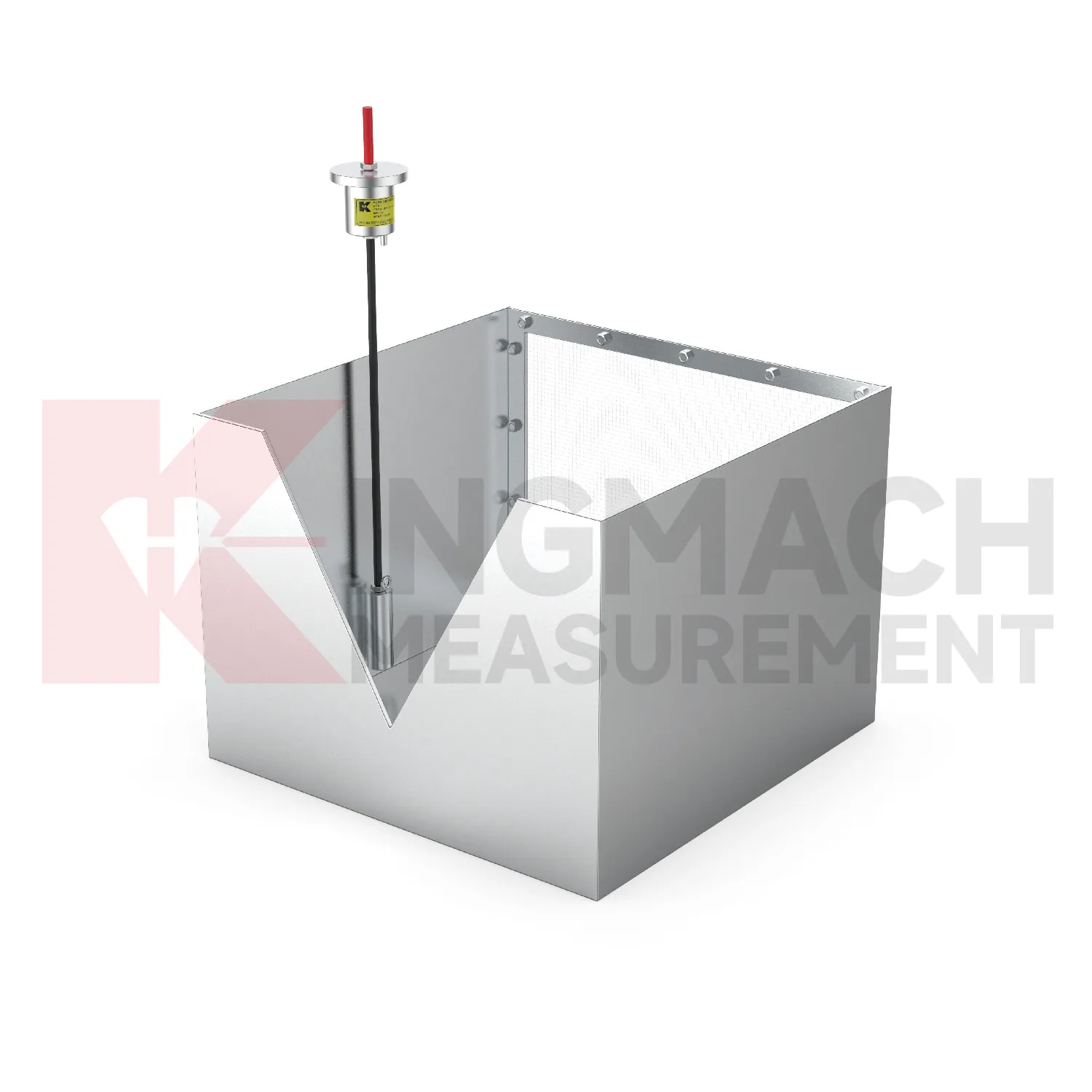
Application of weir flow meter China
Environmental and water resource management projects use Kingmach weir flow meter China to build a repeatable record of small-channel flow. These projects may involve natural runoff, managed drainage, irrigation return flow, or discharge from a monitored structure. A weir point can help document seasonal patterns, storm response, dry-period base flow, and maintenance effects. The record should be reviewed with rainfall, soil wetness, upstream activities, and field observations. Because environmental channels can carry debris, vegetation, sediment, or biological growth, routine inspection is part of the measurement plan. A clean flow record helps teams manage water responsibly and explain changes to owners, regulators, or local operation staff. For water accounting or resource management, the same section, reference point, and maintenance discipline make seasonal and operational comparison reliable. If the channel is modified, the record should not hide the change. A repair, new crest, cleaned approach, moved enclosure, or changed data channel can affect comparability and should be visible beside the next flow trend. The field record should explain the water path, the condition before the reading changed, the inspection access, and whether nearby operations or weather events affected the channel. This keeps the flow curve connected to real site behavior rather than leaving it as an isolated number.
The future of weir flow meter China
Water-related risk review will shape future Kingmach weir flow meter China. In slopes, dams, tunnels, and drainage systems, flow changes can be early evidence of a changing water path. Future monitoring should compare flow with seepage, pore pressure, rainfall, settlement, displacement, and inspection notes where those records exist. A flow rise alone may not mean danger, but a flow rise with movement or seepage change deserves attention. A flow drop can also matter if it suggests blockage or a changed drainage path. Future reporting should help teams see these combinations quickly. Risk review needs clear grouping of related records. Engineers should be able to see whether flow changed before, after, or at the same time as rainfall, pressure, or movement. That timing can guide the next field check and help avoid overreacting to a single isolated value. A practical report should make relationships visible without hiding the need for professional judgment. Carefully.
Care & Maintenance of weir flow meter China
Routine inspection of Kingmach weir flow meter China should connect field condition with data quality. The inspector should look at the crest, approach channel, downstream condition, sensing area, enclosure, cable route, labels, and recent data trend. If the point is difficult to access safely, that risk should be part of the maintenance plan. The inspection record should be short but specific: what was seen, what was cleaned, what changed, and whether the next reading looked normal. This keeps the flow monitoring point useful through storms, sediment events, construction changes, and long-term operation. Handover records should make the location understandable for the next crew. Site photos, access notes, nearby landmarks, cleaning tools, and known seasonal issues can prevent repeated diagnosis work. When operators change, a clear maintenance note helps preserve continuity, especially at remote channels where small changes in the control section may not be obvious from the office trend alone. Simple maps help too.
Kingmach weir flow meter China
Kingmach weir flow meter China explains the relationship between water head and flow without turning the page into a hydraulic formula sheet. The key idea is simple: the weir creates a known control section, and the water level at that section gives a basis for calculating discharge. Site conditions decide whether the record is trustworthy. Turbulence, sediment, floating debris, poor leveling, backwater, or a disturbed approach channel can weaken the measurement. The product information directs attention to those practical concerns and shows that accurate flow monitoring depends on both instrument capability and channel discipline. For water accounting or resource management, the same section, reference point, and maintenance discipline make seasonal and operational comparison reliable. If the channel is modified, the record should not hide the change. A repair, new crest, cleaned approach, moved enclosure, or changed data channel can affect comparability and should be visible beside the next flow trend. This keeps the buyer focused on field performance, not isolated readings.
FAQ
Q: What is Kingmach weir flow meter China used for?
A: It is used to measure open-channel flow by reading water head at a controlled weir section and turning that change into a repeatable flow record.
Q: Where can it be applied?
A: It can support water conservancy, drainage, irrigation, tunnel discharge, dam drainage, construction runoff, industrial water channels, and water resource management.
Q: Why use a weir for flow monitoring?
A: A weir creates a stable hydraulic control section, making it easier to compare flow behavior over time when the channel is maintained properly.
Q: What makes the record useful?
A: A useful record links flow with site events such as rainfall, gate operation, cleaning, seepage, pump activity, or inspection findings.
Q: Should the meter be treated as a standalone device?
A: No. It should be treated as a measuring point that includes the channel, weir crest, water head reference, data path, and maintenance access. Maintenance teams need a record that tells them where to look. If a curve drops slowly, cleaning and sediment checks may come first. If it rises suddenly during dry conditions, upstream operation or a changed drainage path may deserve attention.
Reviews
Christopher Martinez
Very satisfied with the readouts & data loggers. User-friendly interface and supports multiple sensor inputs.
Andrew Lee
The visualization software is intuitive and powerful. It helps us analyze monitoring data efficiently.
Latest Inquiries
To protect the privacy of our buyers, only public service email domains like Gmail, Yahoo, and MSN will be displayed. Additionally, only a limited portion of the inquiry content will be shown.
Emma***@gmail.comCanada
Dear Sir/Madam, we are interested in displacement transducers and settlement sensors for a geotechni...
Evelyn***@gmail.comSouth Africa
Hi, we are a contractor working on tunnel construction and need settlement sensors and displacement ...