
 EN
 ar
 bg
 hr
 cs
 da
 nl
 fi
 fr
 de
 el
 hi
 it
 ko
 no
 pl
 pt
 ro
 ru
 es
 sv
 tl
 iw
 id
 lv
 lt
 sr
 sk
 sl
 uk
 vi
 et
 hu
 th
 tr
 fa
 ms
 hy
 ka
 ur
 bn
 mn
 ta
 kk
 uz
 ku

Vibrating Wire Strain Gauges
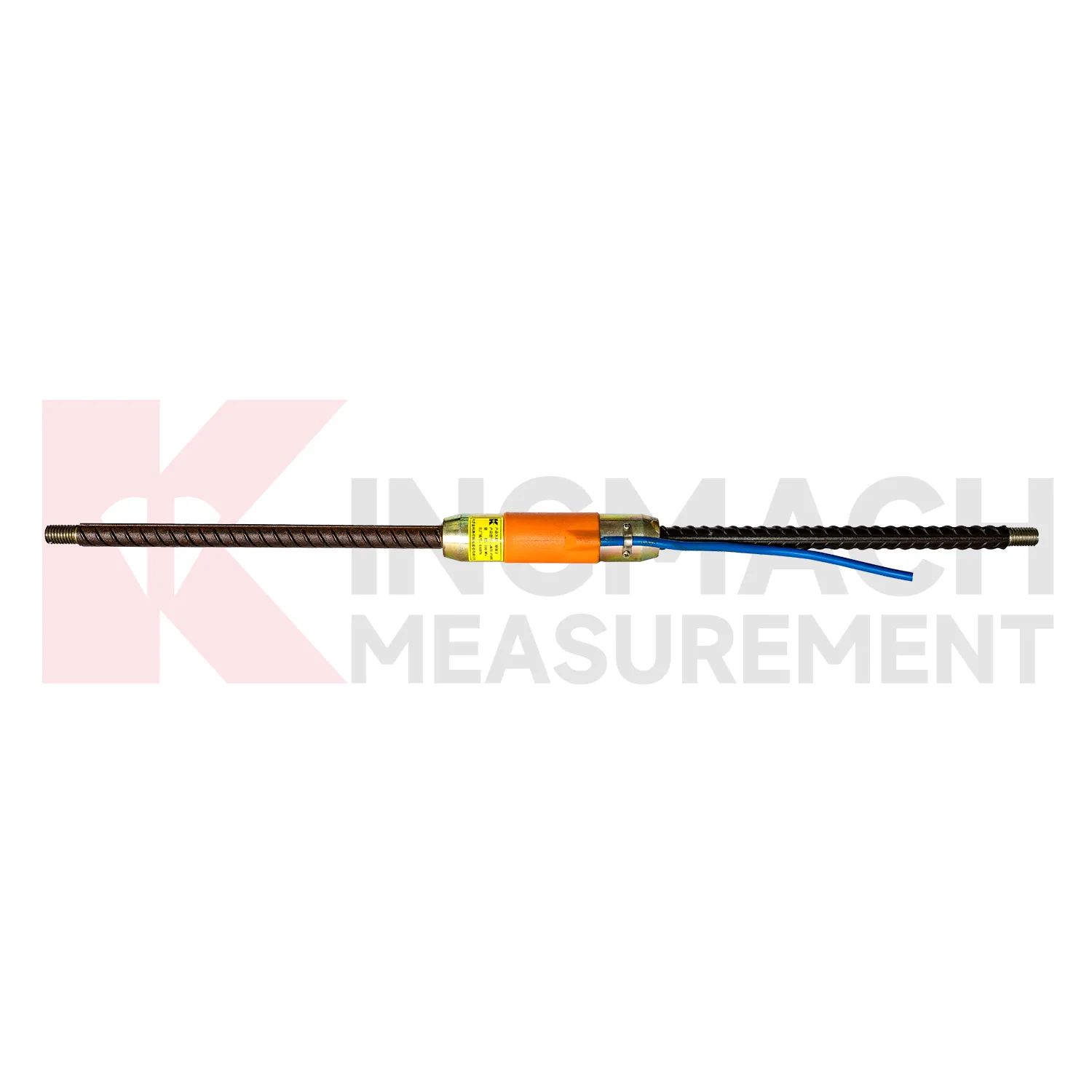
Kingmach {keyword} also includes rebar strainmeters for reinforced concrete stress monitoring. The JMZX-4XXHAT/HB model measures the stress of reinforcing steel bars and allows engineers to estimate the internal stress state of concrete structures. It is used in dams, bridges, precast and cast in place pile foundations, cut off walls, large buildings, and anchor bolts. The sensing section is designed with strength matching the corresponding measured steel bar, so replacing the original bar with the tested bar does not change the strength of the monitored structure. Technical data includes a -200 MPa to 350 MPa range, 0.5%F.S. accuracy, 0.1 MPa sensitivity, and 2 MPa waterproof performance. The product uses vibrating wire collection with high tensile steel wire and anchor welding, giving stable performance for embedded, long term structural monitoring. These specifications are especially useful when the monitored member will not be easy to access later. Once concrete is poured or steel work is closed, the project depends on the original model selection, cable protection, calibration data, and acquisition record. They also help the owner decide whether manual reading, scheduled logging, or unattended monitoring is the better operating method. A clear specification record reduces confusion when the same project uses surface, embedded, welded, and rebar based instruments together.
Application of Vibrating Wire Strain Gauges
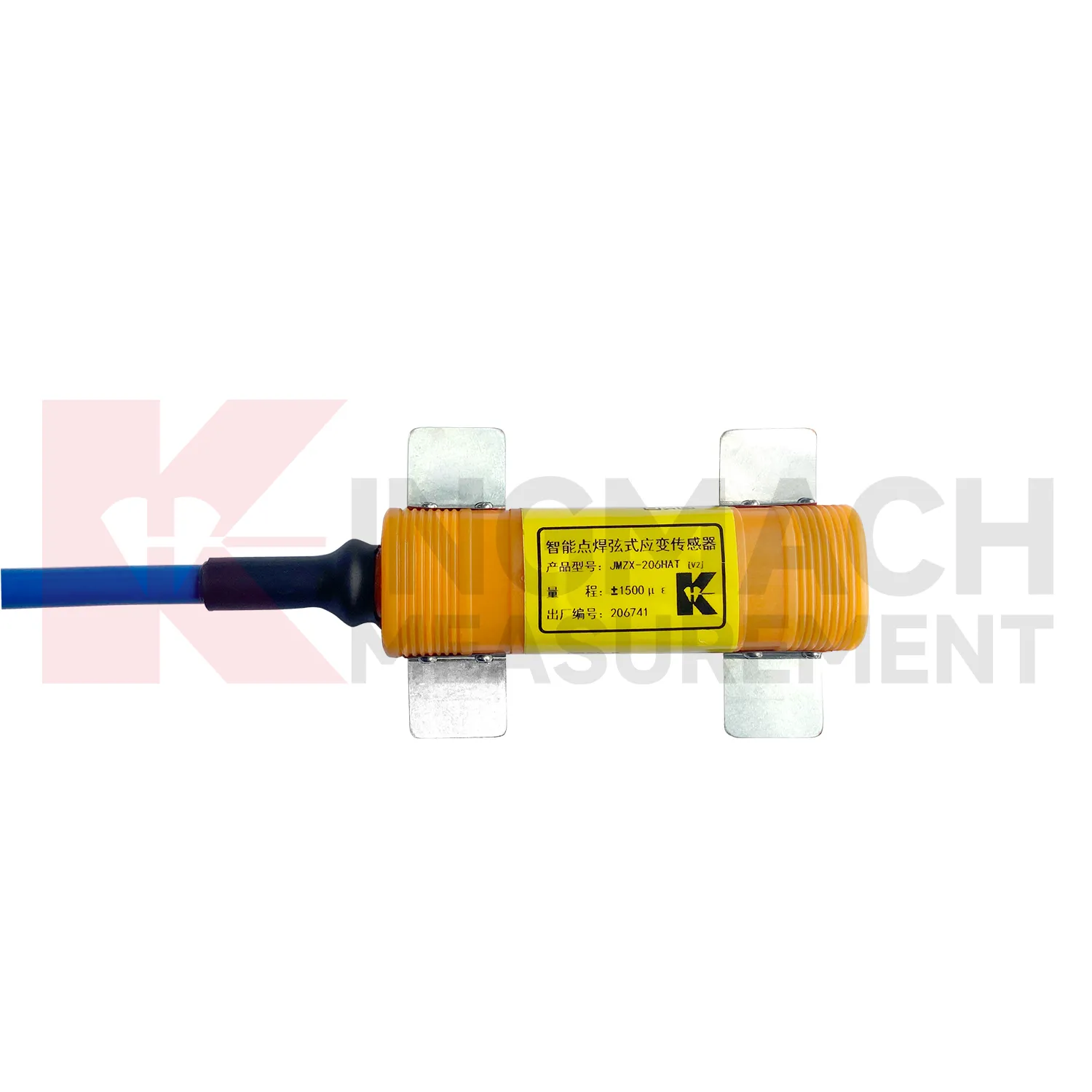
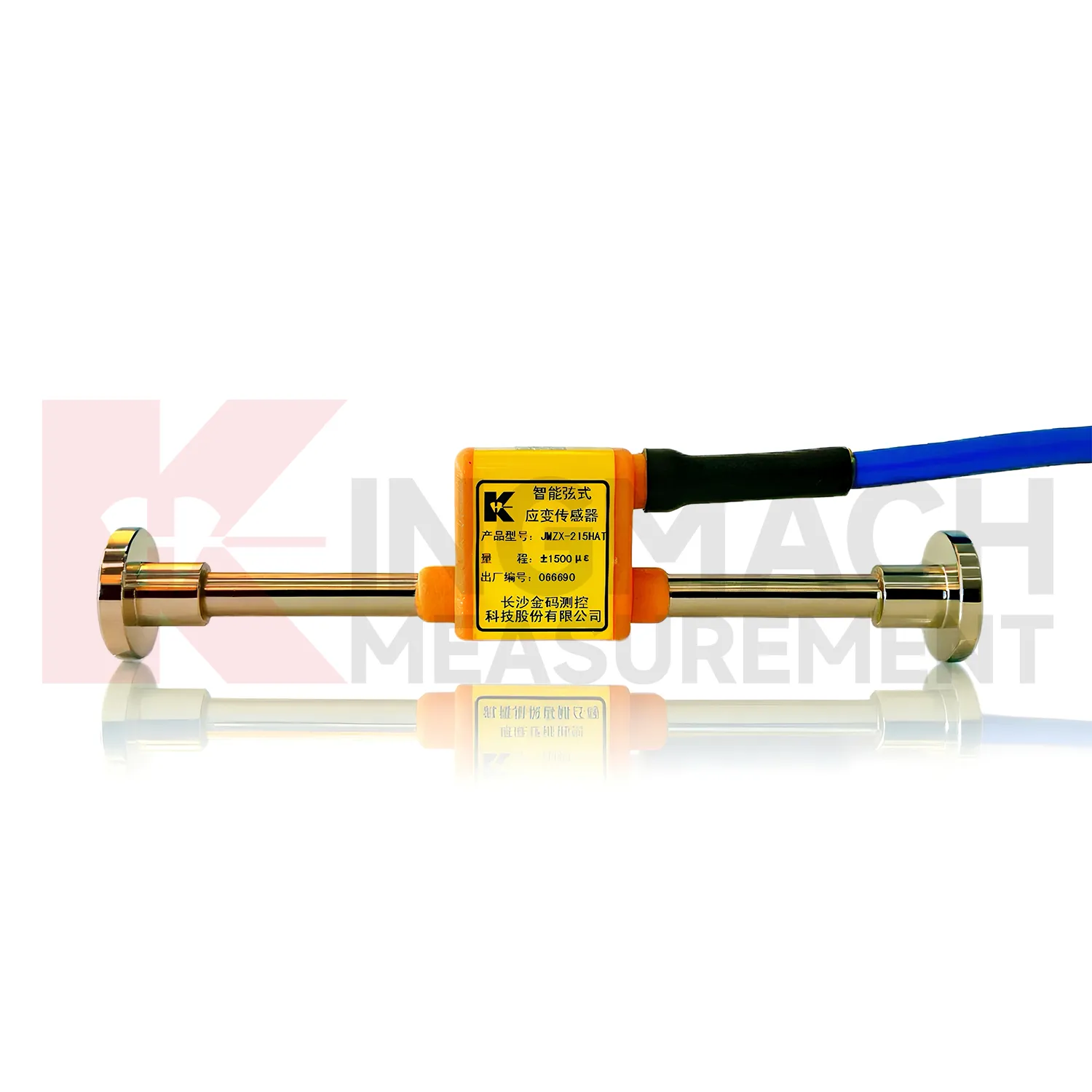
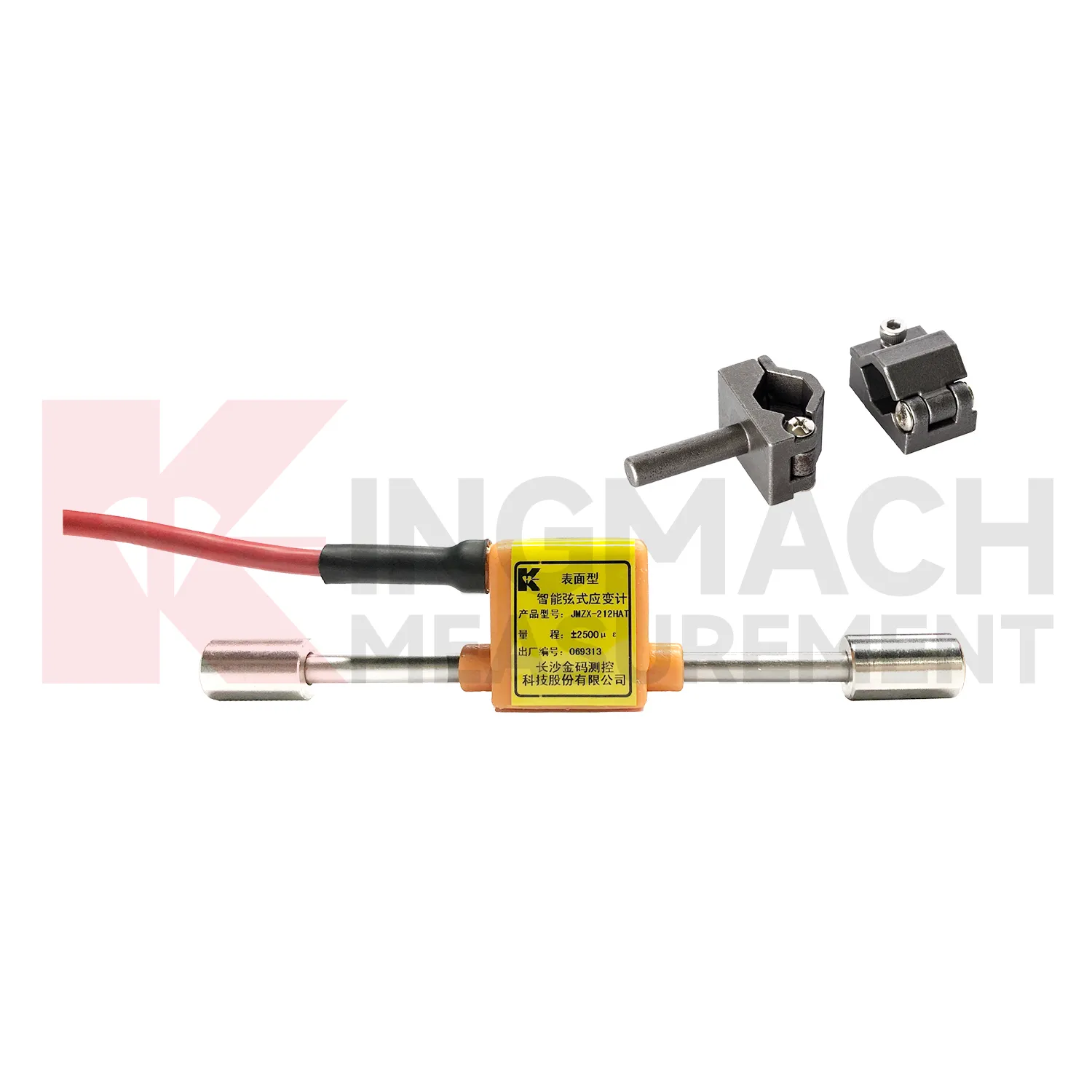
In bridge monitoring, {keyword} is used to track strain in girders, decks, steel beams, piers, reinforcement, and cable related members. The pain point is simple: bridge stress changes under traffic, wind, temperature, repair work, and long term fatigue, but visual inspection cannot show the early strain history. Kingmach surface gauges such as JMZX-212HAT/HB provide a ±2500 microstrain range, 0.5%F.S. accuracy, and 0.1 microstrain resolution for concrete or steel surface measurement. For steel members, the JMZX-206HAT welded model covers -1500 to +2500 microstrain and can store up to 800 measurement records, giving inspectors traceable field information. In bridge SHM, these readings can be compared with deflection, vibration, temperature, and crack data to identify abnormal load transfer, support force changes, or fatigue development before maintenance decisions are made. In practice, the sensor location should be selected around the expected stress path, not placed only where access is convenient. The readings become stronger evidence when they are reviewed with site events, temperature, displacement, settlement, and visual inspection notes. For field use, the strain point should be named, mapped, protected, and reviewed with nearby sensors before any alarm is judged. The same record can support staged construction control, post event inspection, and long term maintenance planning.
The future of Vibrating Wire Strain Gauges
Future use of {keyword} in bridges and rail systems will put more attention on fatigue, dynamic loading, and real time maintenance planning. Heavy traffic and repeated train loads create strain cycles that are easy to miss during occasional inspection. Kingmach's strain gauges can already connect with automated acquisition and monitoring platforms, while dynamic strain data loggers and vibration sensors can add context. Over time, AI based trend review may compare strain cycles with traffic periods, temperature, vibration, and displacement to flag unusual behavior. The useful path is specific: more frequent sampling where needed, better channel grouping, and alerts that refer to actual structural zones rather than anonymous numbers. The strongest future systems will still begin with correct model selection. Software can help review data, but it cannot repair a sensor installed in the wrong stress zone. Those improvements fit long term infrastructure monitoring better than one time testing. That path keeps the technology tied to field decisions, not abstract promises.
Care & Maintenance of Vibrating Wire Strain Gauges
For long term monitoring, {keyword} should be checked as part of the whole measurement chain, not only as a sensor body. Kingmach surface and embedded vibrating wire gauges provide 0.1 microstrain resolution and 0.5%F.S. accuracy, but those numbers depend on stable mounting, protected wiring, and correct acquisition settings. During use, review baseline trends, compare nearby channels, and note construction events, traffic changes, or temperature swings. Do not reset the baseline casually after unusual weather or heavy loading. For waterproof models rated to 150 meters, still inspect cable exits and seals because most field failures start at connection points. A clean, named, time stamped record is often the best maintenance tool. This is especially important when the gauge is embedded or welded, because replacement may be difficult after concrete pouring, coating work, rail service, or bridge operation has resumed. Review the channel after major site work. Replace damaged protection before water reaches the connection.
Kingmach Vibrating Wire Strain Gauges
For steel structures, {keyword} gives engineers a direct way to watch stress behavior on beams, pipes, braces, trusses, towers, and bridge members. Kingmach's surface and surface welded strain gauge models are designed for exposed steel or concrete surfaces, with the JMZX-206HAT model using spot welding on a polished 10 x 80 mm flat area. This kind of installation can be useful when adhesive bonding is not preferred or when long term steel monitoring is required. Once connected to acquisition equipment, the strain record can reveal bending response, support force variation, fatigue trends, or stress redistribution after repair work. The same approach supports a complete measurement chain, from the sensing point to protected cabling, acquisition hardware, stored records, and engineering review. The same data can guide inspection notes and repair timing. Site records matter. That field record supports later inspection. It also gives engineers a cleaner baseline for later comparison.
FAQ
Q: Where is {keyword} used in bridge monitoring?
A: It can be installed on girders, decks, steel beams, reinforcement, piers, and other stress sensitive locations to track traffic load and fatigue behavior.
Q: How does it help tunnel monitoring?
A: Embedded or welded gauges can read lining strain, support force, reinforcement stress, and ground pressure effects during construction and service.
Q: Can it be used in dams?
A: Yes. Embedded and surface models are used for concrete strain, stress state review, temperature related movement, and long term dam safety monitoring.
Q: Is it useful for foundation pits?
A: Yes. Rebar strainmeters and welded gauges can monitor support stress, anchor force changes, brace behavior, and retaining structure response.
Q: What other sensors are often used with it?
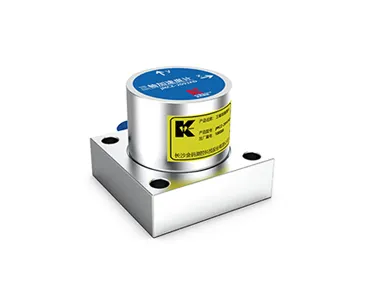
A: Displacement meters, settlement sensors, tiltmeters, piezometers, water level meters, accelerometers, and temperature sensors are often used together.
Reviews
Joshua Clark
We ordered a full monitoring solution including sensors and data loggers. Everything works seamlessly together. Great supplier!
David Wilson
We purchased displacement transducers and settlement sensors, and the quality exceeded our expectations. Easy installation and reliable performance.
Latest Inquiries
To protect the privacy of our buyers, only public service email domains like Gmail, Yahoo, and MSN will be displayed. Additionally, only a limited portion of the inquiry content will be shown.
Amelia***@gmail.comSingapore
Hello, I am looking for visualization software for monitoring system data analysis. Please let me kn...
Charlotte***@gmail.comUnited Arab Emirates
Hi, we require instrumentation cables suitable for harsh environments. Could you advise on specifica...
Related product categories
- strain gauge sensor module
- strain gauge load cell sensor
- strain gauge and load cell
- load cell and strain gauge
- load cell strain gauge
- strain gauge load cells
- strain gauge manufacturers
- strain gauge suppliers
- strain gauge sensor market
- strain gauge sensor price
- strain gauge weight sensor factory
- strain gauge weight sensor suppliers