
 EN
EN
 ar
ar bg
bg hr
hr cs
cs da
da nl
nl fi
fi fr
fr de
de el
el hi
hi it
it ko
ko no
no pl
pl pt
pt ro
ro ru
ru es
es sv
sv tl
tl iw
iw id
id lv
lv lt
lt sr
sr sk
sk sl
sl uk
uk vi
vi et
et hu
hu th
th tr
tr fa
fa ms
ms hy
hy ka
ka ur
ur bn
bn mn
mn ta
ta kk
kk uz
uz ku
ku
vibration sensor application
The interpretation of Kingmach vibration sensor application data should avoid treating every vibration as a defect. Structures move under traffic, wind, machine operation, trains, construction activity, and environmental change. The question is whether the motion is expected, growing, sudden, repeated, or tied to a specific event. Acceleration records should therefore be reviewed with strain, displacement, tilt, load, environmental data, and inspection notes when those records are available. This wider review helps engineers avoid both overreaction and missed warning signs. A vibration spike during known work may require documentation; the same spike during quiet operation may require inspection. The distinction comes from context. Dynamic monitoring becomes most useful when it supports judgment rather than replacing it.
Dynamic data can be sensitive to small field changes. A new bracket, nearby machine, temporary work platform, changed cable route, or software update can alter the record, so those changes belong in the maintenance history.
For owner handover, the file should include point photos, axis labels, acquisition settings, related structural channels, and examples of normal behavior. That helps future reviewers understand whether a later event is unusual.
Weak-vibration review should include nearby walking, wind, traffic, equipment start-up, and construction activity because these sources can influence the trace. People walking nearby, wind, traffic, equipment start-up, and construction work can all influence the trace, so the field note should capture what was happening around the point.
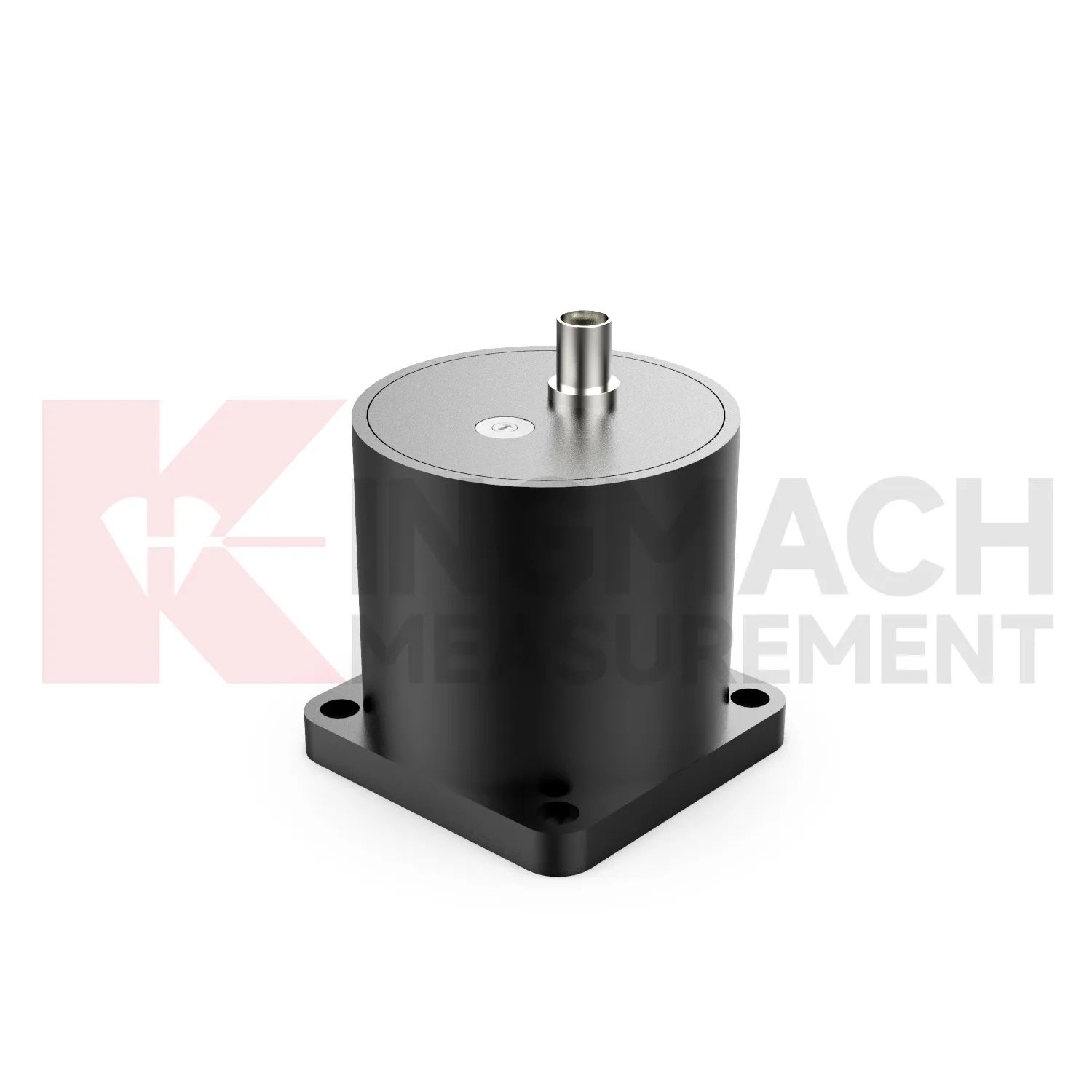
Application of vibration sensor application
Cable force testing uses Kingmach vibration sensor application when vibration response is part of the force calculation method. The sensor must capture the cable motion cleanly, and the analysis must use the correct cable identity, boundary condition, and review process. A simple vibration trace is not enough by itself. The test record should preserve cable name, measurement position, weather, traffic or work condition, and calculation result. Written clearly, this application shows how dynamic measurement supports bridge maintenance without turning the page into formulas or specification tables. Repeatability is especially important. If future measurements use the same procedure, the owner can compare trends with more confidence.
The report should not leave the waveform isolated. It should explain what the asset was doing, why the point was measured, which event triggered interest, and what follow-up action or observation was made.
Dynamic data can be sensitive to small field changes. A new bracket, nearby machine, temporary work platform, changed cable route, or software update can alter the record, so those changes belong in the maintenance history.
For owner handover, the file should include point photos, axis labels, acquisition settings, related structural channels, and examples of normal behavior. That helps future reviewers understand whether a later event is unusual.
Weak-vibration review should include nearby walking, wind, traffic, equipment start-up, and construction activity because these sources can influence the trace. People walking nearby, wind, traffic, equipment start-up, and construction work can all influence the trace, so the field note should capture what was happening around the point.

The future of vibration sensor application
Future Kingmach vibration sensor application will be specified around workflows rather than model names. A project may need continuous vibration monitoring, short event capture, cable force testing, weak ground motion, or machinery response tracking. Each workflow has different needs for mounting, acquisition, analysis, reporting, and maintenance. Workflow-led planning makes the system easier to install and operate because the buyer can connect the monitoring method with the actual asset, event type, and review process. It also makes future maintenance easier because the record already explains why the point exists and how it is used.
Future workflow documents can describe who uses the record and what action follows each event type. A bridge engineer, machinery technician, construction manager, and asset owner may all need different views of the same dynamic measurement. The workflow makes those views predictable.
This approach also improves purchasing discipline. Instead of asking for a device in isolation, the project defines mounting access, event capture, review method, reporting format, maintenance duty, and handover needs before installation begins.
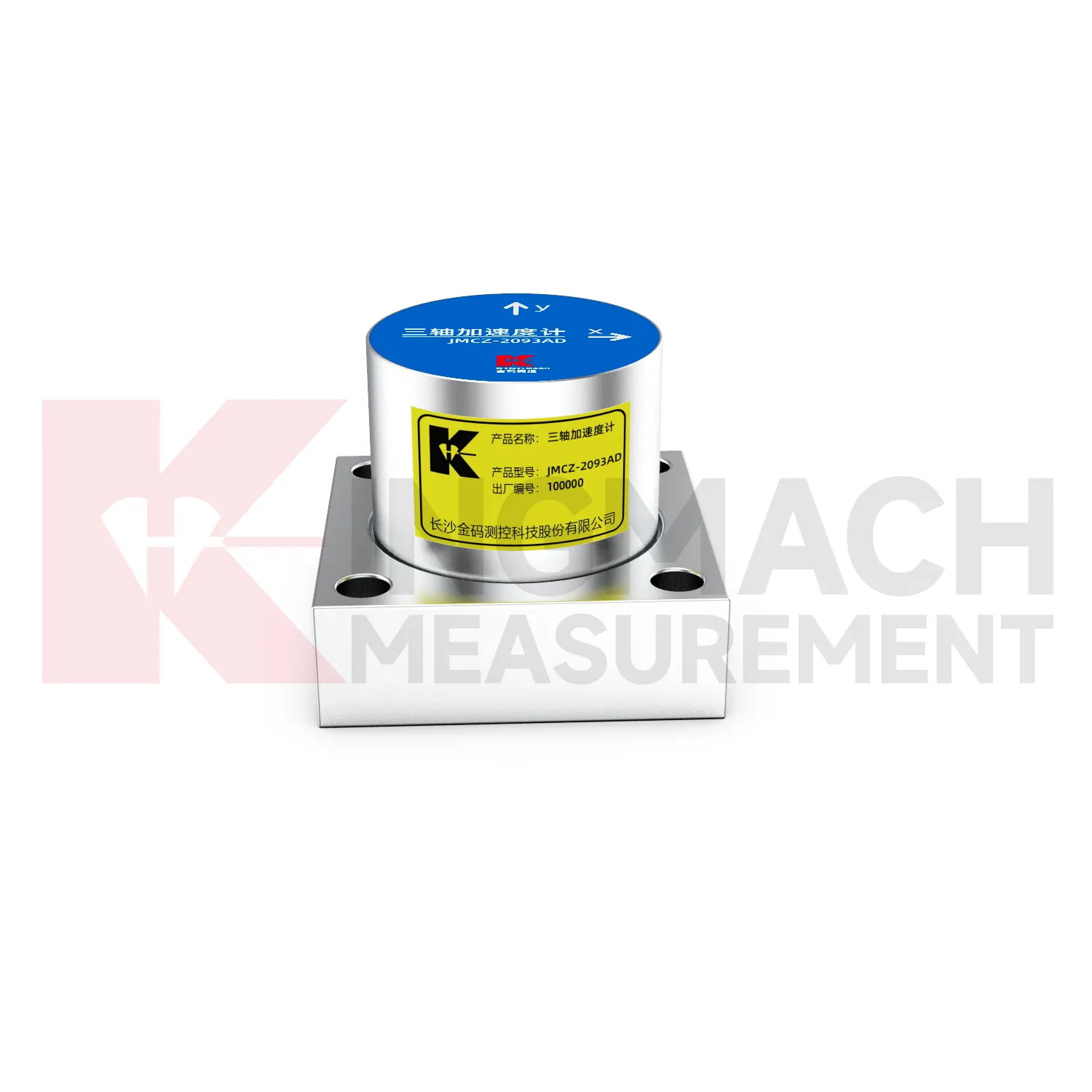
Care & Maintenance of vibration sensor application
Cable and connector care is important for Kingmach vibration sensor application because dynamic signals can be weakened by poor wiring. Inspect cable strain, connector tightness, water entry, abrasion, shielding, grounding, and cabinet terminals. A noisy or intermittent cable can look like a vibration event if the review process is weak. After site work, confirm that channel names still match the physical points. If a channel drops or spikes suddenly, inspect wiring and recent construction activity before assuming the structure changed. The data chain is part of the instrument. A good cable record reduces false alarms and keeps event review focused on the structure.
Long-term monitoring benefits from repeatable procedure. When the same point, direction, event definition, and analysis method are preserved, new vibration records can be compared with earlier records in a defensible way.
The report should not leave the waveform isolated. It should explain what the asset was doing, why the point was measured, which event triggered interest, and what follow-up action or observation was made.
Kingmach vibration sensor application
Kingmach vibration sensor application also support weak-vibration work, where small movement can be hard to separate from noise. Ground pulsation, flexible structures, quiet machinery areas, and low-frequency building response all require stable installation and careful data review. Anti-interference performance and proper acquisition settings help, while site discipline keeps the record easier to interpret. The engineer should know what nearby equipment was running, whether construction was active, and whether wind, traffic, or people were present during the record. Weak signals become useful when the background conditions are documented. Repeated patterns under similar conditions carry more meaning than a single unexplained spike.
Weak-vibration records should be treated patiently. A quiet trace may still be useful because it defines the normal background for the point. When a later event appears, the team can compare it with that calm record and decide whether the change is real.
Field notes are especially important at this sensitivity level. Foot traffic, small equipment, doors, temporary pumps, or nearby vehicles can influence a trace. Recording those conditions keeps the review honest and prevents ordinary background activity from being mistaken for structural change.
FAQ
Q: What is event-based vibration monitoring?
A: It records motion during traffic, wind, blasting, impact, machine operation, earthquake activity, or other defined events.
Q: What makes a useful event record?
A: A useful record includes time, sensor location, axis direction, event type, nearby site condition, and related sensor behavior.
Q: How are building vibration records interpreted?
A: They are checked against equipment operation, traffic, construction work, occupancy notes, and structural observations.
Q: How are bridge vibration records interpreted?
A: They may be compared with cable behavior, traffic, wind, strain, displacement, and inspection results.
Q: What causes misleading vibration readings?
A: Loose mounting, cable noise, wrong channel names, poor grounding, local equipment, or missing event notes can mislead reviewers.
Long-term monitoring benefits from repeatable procedure. When the same point, direction, event definition, and analysis method are preserved, new vibration records can be compared with earlier records in a defensible way.
The report should not leave the waveform isolated. It should explain what the asset was doing, why the point was measured, which event triggered interest, and what follow-up action or observation was made.
Reviews
Matthew Garcia
Instrumentation cables are durable and perform well even in harsh environments. Will definitely order again.
Daniel Brown
Excellent environmental monitoring sensors. The data is consistent, and the system integrates smoothly with our existing setup.
Latest Inquiries
To protect the privacy of our buyers, only public service email domains like Gmail, Yahoo, and MSN will be displayed. Additionally, only a limited portion of the inquiry content will be shown.
Emma***@gmail.comCanada
Dear Sir/Madam, we are interested in displacement transducers and settlement sensors for a geotechni...
Olivia***@gmail.comUnited States
Hello, we are currently sourcing high-precision strain gauges and load cells for a bridge monitoring...
Related product categories
- 3 axes accelerometer
- wireless accelerometers
- high sensitivity accelerometer
- mems accelerometer working principle
- accelerometer purchase
- accelerometers for sale
- buy accelerometer
- accelerometer cable
- accelerometer data acquisition
- accelerometer for vibration measurement
- vibration accelerometer
- industrial accelerometer