
 EN
EN
 ar
ar bg
bg hr
hr cs
cs da
da nl
nl fi
fi fr
fr de
de el
el hi
hi it
it ko
ko no
no pl
pl pt
pt ro
ro ru
ru es
es sv
sv tl
tl iw
iw id
id lv
lv lt
lt sr
sr sk
sk sl
sl uk
uk vi
vi et
et hu
hu th
th tr
tr fa
fa ms
ms hy
hy ka
ka ur
ur bn
bn mn
mn ta
ta kk
kk uz
uz ku
ku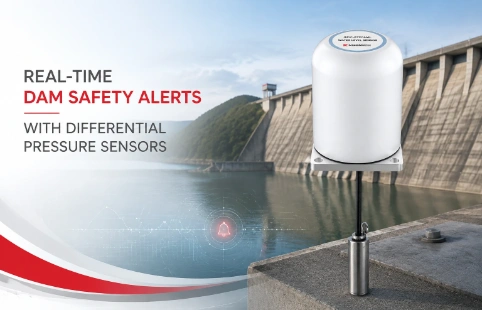
Real-Time Dam Safety Alerts with Differential Pressure Water Level Sensors
Key Takeaways An alert chain needs more than a sensor: define field in...

Load Cell Applications in Geotechnical Engineering
During a highway tunnel project in southwest China, vibrating wire load cells embedded in the shotcrete lining detected a gradual increase in pressure weeks before any visible deformation appeared. The data prompted the site team to install additional rock bolts, preventing a potential collapse. This is just one scenario where load cells turn subtle ground movements into actionable insights. Whether monitoring anchor forces in a retaining wall, weighing trucks on the fly, or ensuring the safety of a suspension bridge’s cable saddles, the application of load cells spans almost every corner of civil and geotechnical engineering. At Kingmach, we’ve been helping engineers solve these measurement challenges for over a decade. Our range of load cells and complementary instruments are backed by real-world case experience, customization services, and a global support network. In this article, we walk through several common applications, highlighting key selection criteria and installation best practices.
Technical Detail
The application of load cells extends well beyond simple weighing. In geotechnical engineering, they act as the ‘nerve endings’ of a structure—providing real-time feedback on soil pressure, rock stress, and structural loads. Kingmach’s load cells are built for harsh environments: sealed construction protects against moisture and dust (IP68 typical), while built-in temperature sensors compensate for thermal drift. A typical range might span from 100 kN for rock bolt testing up to 20,000 kN for bridge bearing monitoring, with custom ranges available. Common applications include: - Tunnel monitoring: segments pressured by surrounding rock, measured over time to assess stability. - Foundation pit support: anchor cable force monitoring to prevent excessive deformation. - Pile testing: static load tests rely on high-capacity load cells to measure settlement. - Bridge health: bearing force monitoring for long-term structural assessment. Our products integrate easily with standard data loggers and wireless nodes, simplifying field deployment. Kingmach also offers project-specific design: if a standard load cell doesn’t fit your geometry or interface, our engineering team can modify the housing, cable exit, or mounting flange. Beyond hardware, we provide commissioning support, calibration certificates, and after-sales technical service through our global distributor network. Choosing the right load cell application starts with understanding your measurement goals—whether you need long-term stability for permanent monitoring or fast response for dynamic events. We can help you specify the right sensor for the job. Looking for real-world examples? Ask us for case studies on how similar projects have applied load cells to reduce risk and optimize construction.
News
Key Takeaways An alert chain needs more than a sensor: define field in...
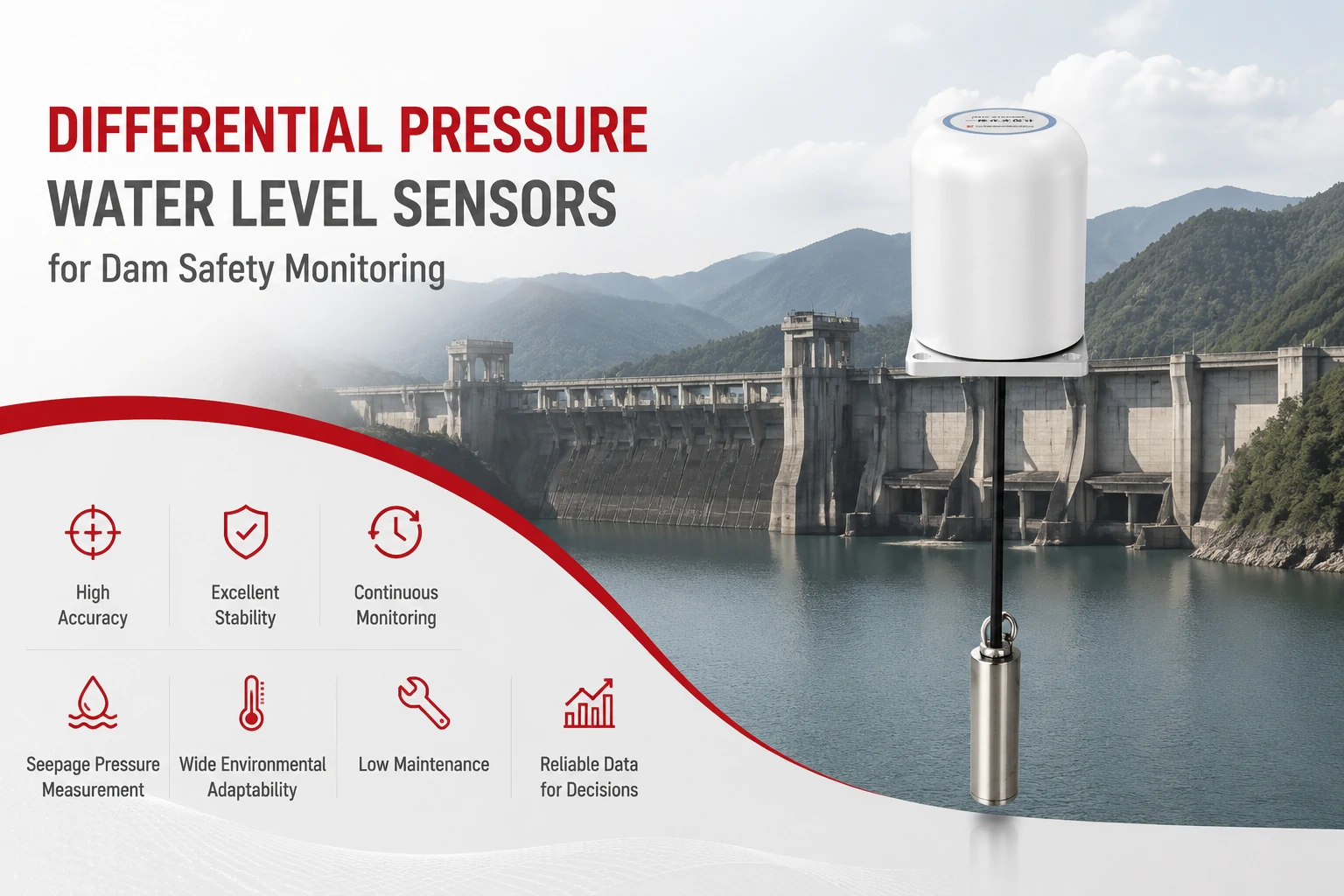
Key Takeaways The strongest fit is usually a confined, submerged, or s...
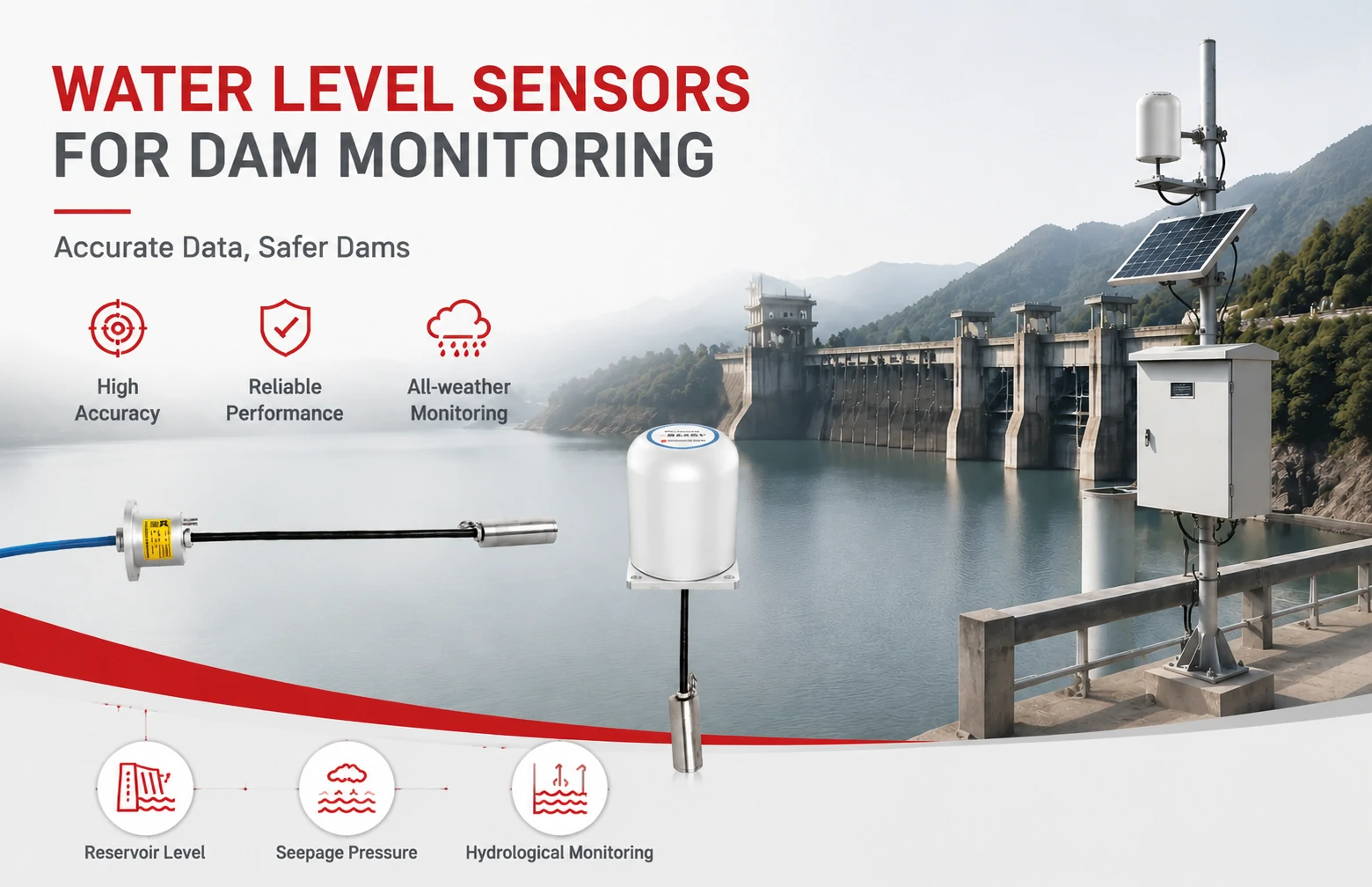
Kingmach Water Level Sensors for Dam Monitoring: A Buyer's Guide to Differential Pre...
Products
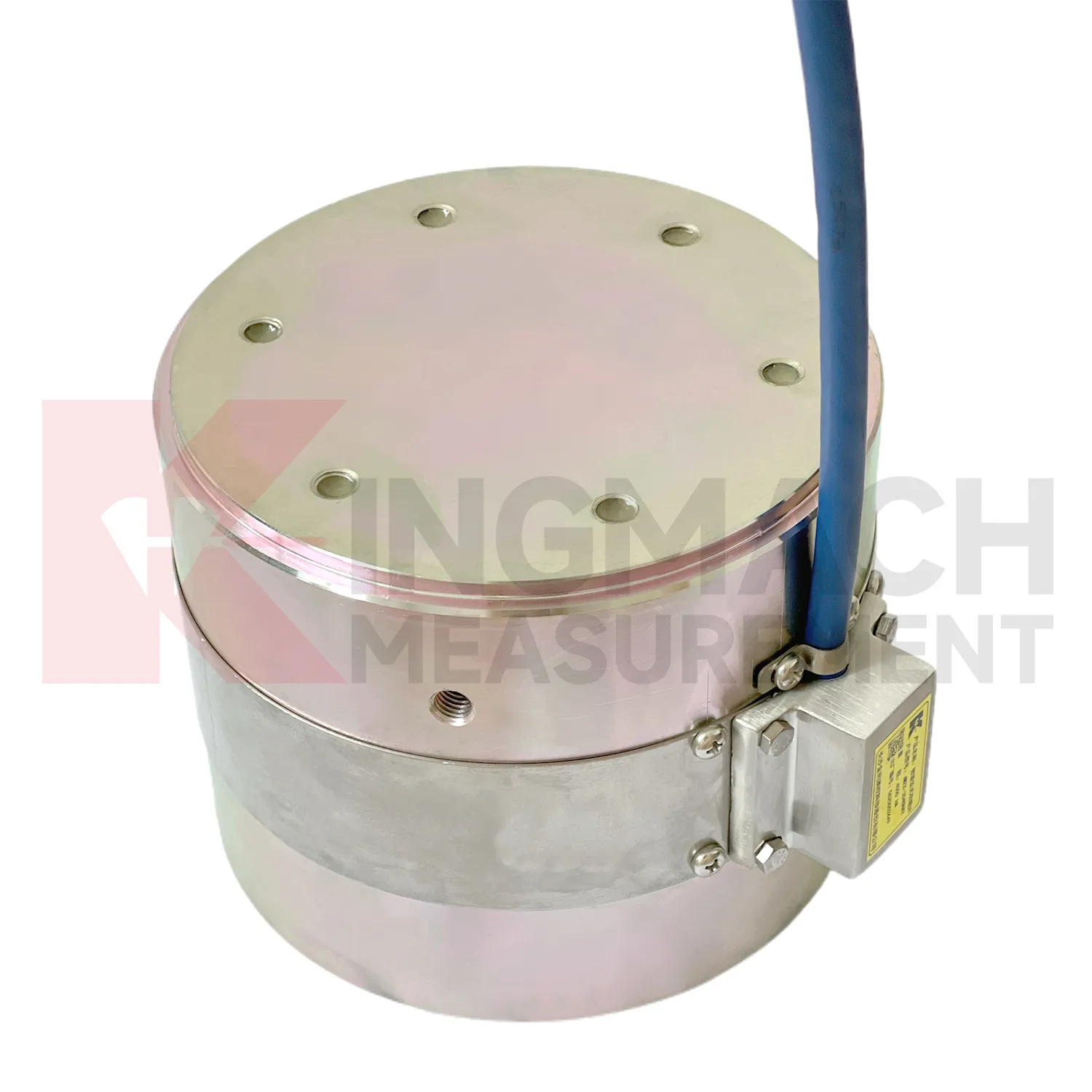
Solid load cell JMZX-34XXHAT、35XXHAT、36XXHAT
View Details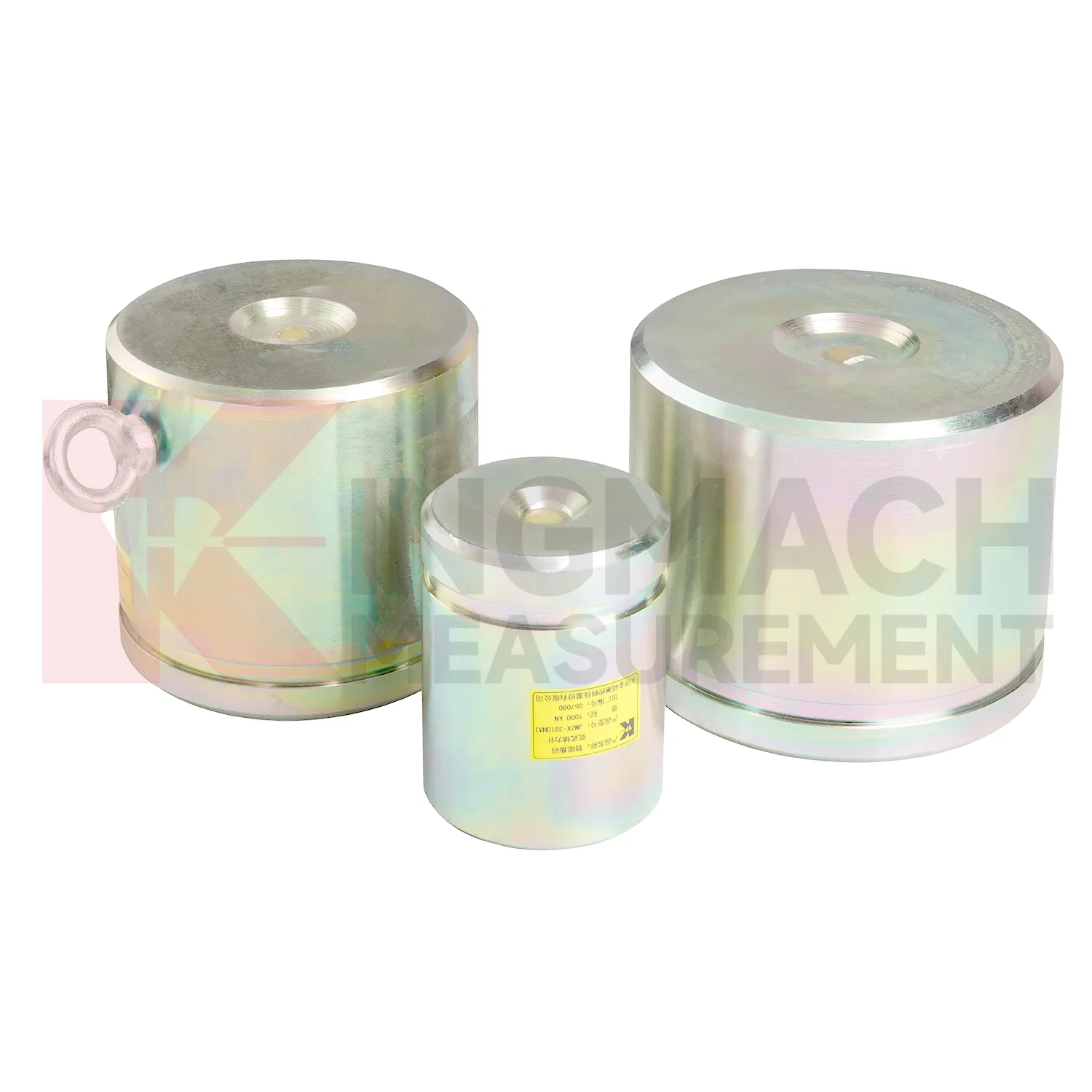
Axial Force Load Meter ( VW & Smart Type)JMZX-38XXHAT
View Details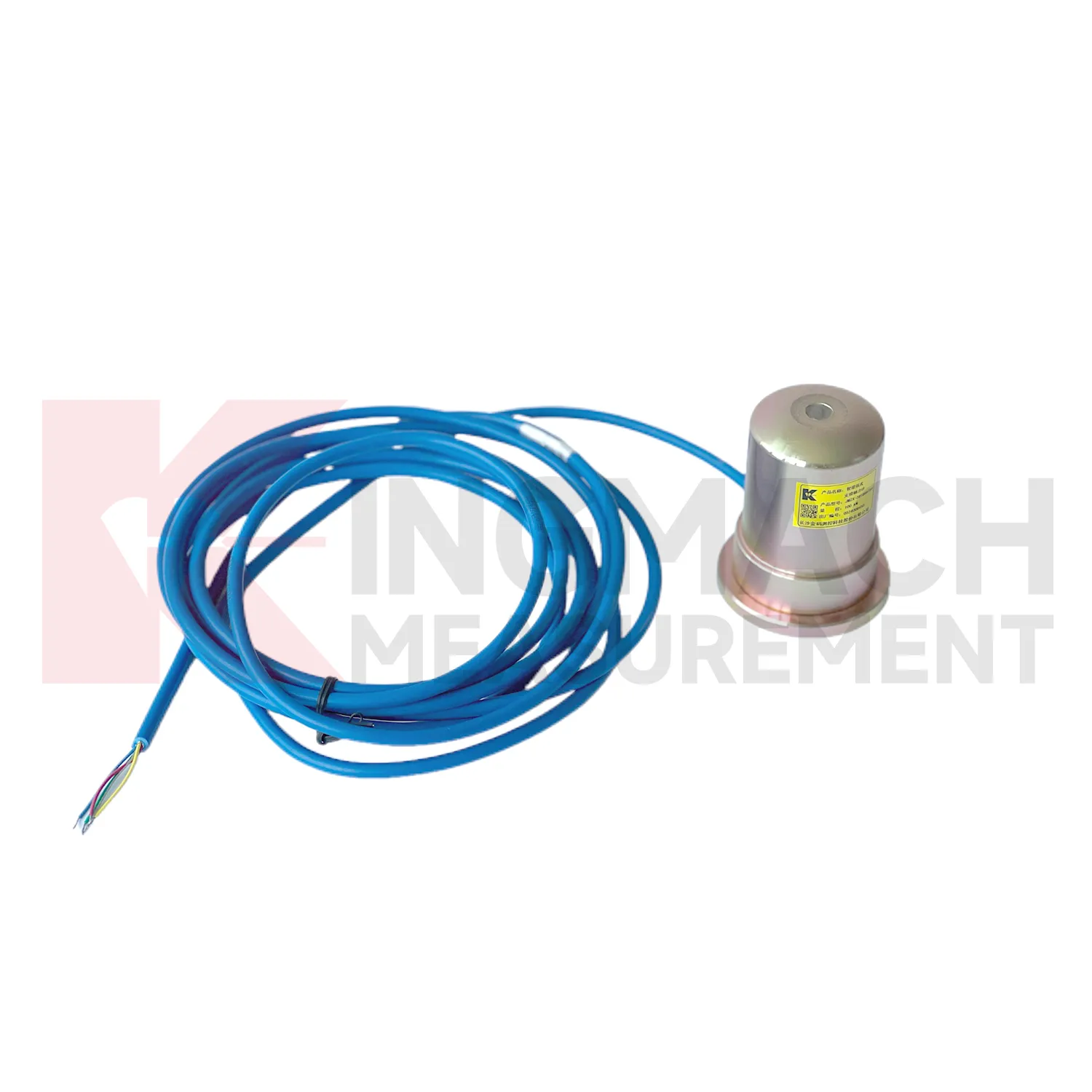
Smart Formwork Axial Force Meter(VW)JMZX-39XXHAT
View DetailsFAQ
Weighing load cells prioritize high accuracy over a narrow temperature range, often in controlled environments. Geotechnical load cells are designed for long-term outdoor exposure, with robust sealing and temperature compensation built in. They also tend to have lower creep and better long-term stability, which matters more than raw accuracy in monitoring applications.
Yes, our strain gauge load cells can capture dynamic loads, but the response time depends on the readout system. For high-speed events, we offer options with faster sampling rates and lower deformation. The standard vibrating wire load cells are more suited for static or slowly varying loads.
Start with the maximum expected load, then add a safety factor of at least 1.5 to avoid overloading. Consider installation constraints—sometimes a higher capacity cell is physically larger. If you’re unsure, share your project plan; we can recommend a suitable range based on similar applications.
Every load cell we ship comes with a factory calibration certificate traceable to national standards. For ongoing support, our distributors can assist with local recalibration, troubleshooting, and training. We also offer comprehensive technical support and after-sales service through our global network.
Share your product type, target capacity, and application requirements. Our team can review the details and recommend a practical next step.
If you are interested in our products or want to become our partner.
Please leave your contact information, our team will contact you as soon as possible.
Mail: [email protected]
Contact Us: +8613808434127
Address: No. 188 Tongzipo West Rd, Changsha, Hunan, China