
 EN
EN
 ar
ar bg
bg hr
hr cs
cs da
da nl
nl fi
fi fr
fr de
de el
el hi
hi it
it ko
ko no
no pl
pl pt
pt ro
ro ru
ru es
es sv
sv tl
tl iw
iw id
id lv
lv lt
lt sr
sr sk
sk sl
sl uk
uk vi
vi et
et hu
hu th
th tr
tr fa
fa ms
ms hy
hy ka
ka ur
ur bn
bn mn
mn ta
ta kk
kk uz
uz ku
ku
Real-Time Dam Safety Alerts with Differential Pressure Water Level Sensors
Key Takeaways An alert chain needs more than a sensor: define field in...

Calibration of Load Cell Theory: Key Principles
When you work with load cells, calibration isn't just a routine step—it's the foundation of trust in every measurement. At Kingmach, we've seen how a solid grasp of calibration theory can prevent errors before they happen. The idea is straightforward: by applying known forces and recording the sensor's output, you establish a relationship between load and signal. But the details matter. Factors like hysteresis, creep, and temperature drift all play a role, and the calibration process accounts for them. Whether it's a single-point check for a simple weighing task or a multi-point calibration for critical geotechnical monitoring, the underlying principles remain the same. Kingmach draws on years of manufacturing experience to help users understand not just the how, but the why behind these steps. Our goal is to make calibration less of a mystery and more of a practical tool you can rely on.
Technical Detail
At Kingmach, we build load cells that are meant to last, but even the best hardware needs a proper calibration to deliver trustworthy data. The theory behind calibration ties directly to the strain gauge technology inside most modern sensors. When a load is applied, the strain gauge deforms slightly, changing its electrical resistance. That change is converted into a millivolt signal, which the instrument then translates into a force reading. Calibration essentially defines that translation—mapping the raw signal to real-world units, like newtons or kilograms-force. In practice, this means applying a series of known reference loads and measuring the output at each step. A linear fit is common, but many load cells benefit from polynomial correction to handle slight non-linearities. Kingmach's manufacturing process includes initial calibration data with each sensor, often provided through a calibration certificate. For field use, shunt calibration—where a known resistor is switched across one arm of the bridge—offers a quick way to verify system integrity without needing physical weights. Over time, zero balance shifts and sensitivity changes can occur, so regular recalibration is advised, especially in demanding environments like tunnel monitoring or slope stability projects. Our technical team supports users with guidance on calibration intervals and methods tailored to the application, ensuring that the theory translates into consistent, reliable measurements in the real world.
News
Key Takeaways An alert chain needs more than a sensor: define field in...
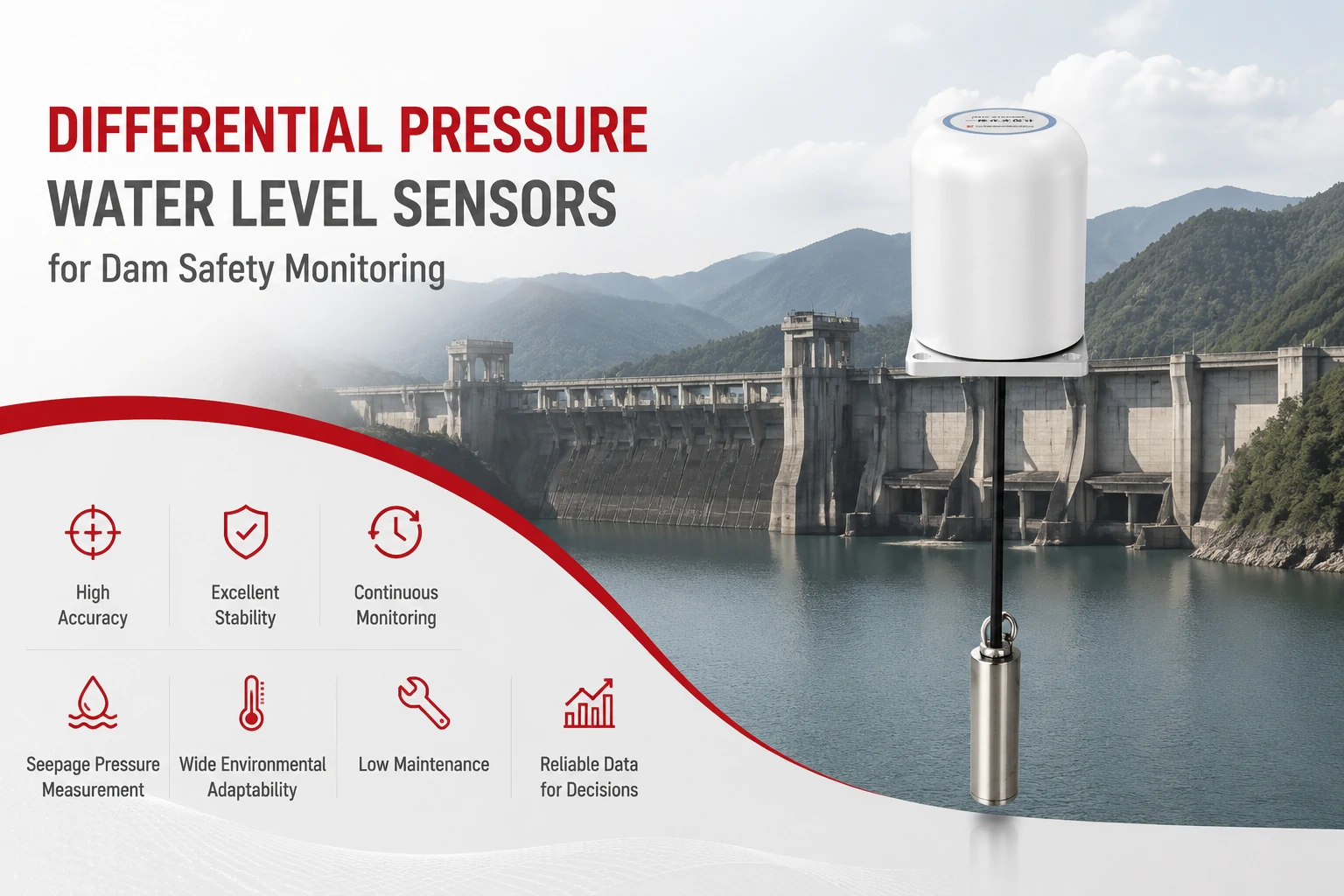
Key Takeaways The strongest fit is usually a confined, submerged, or s...
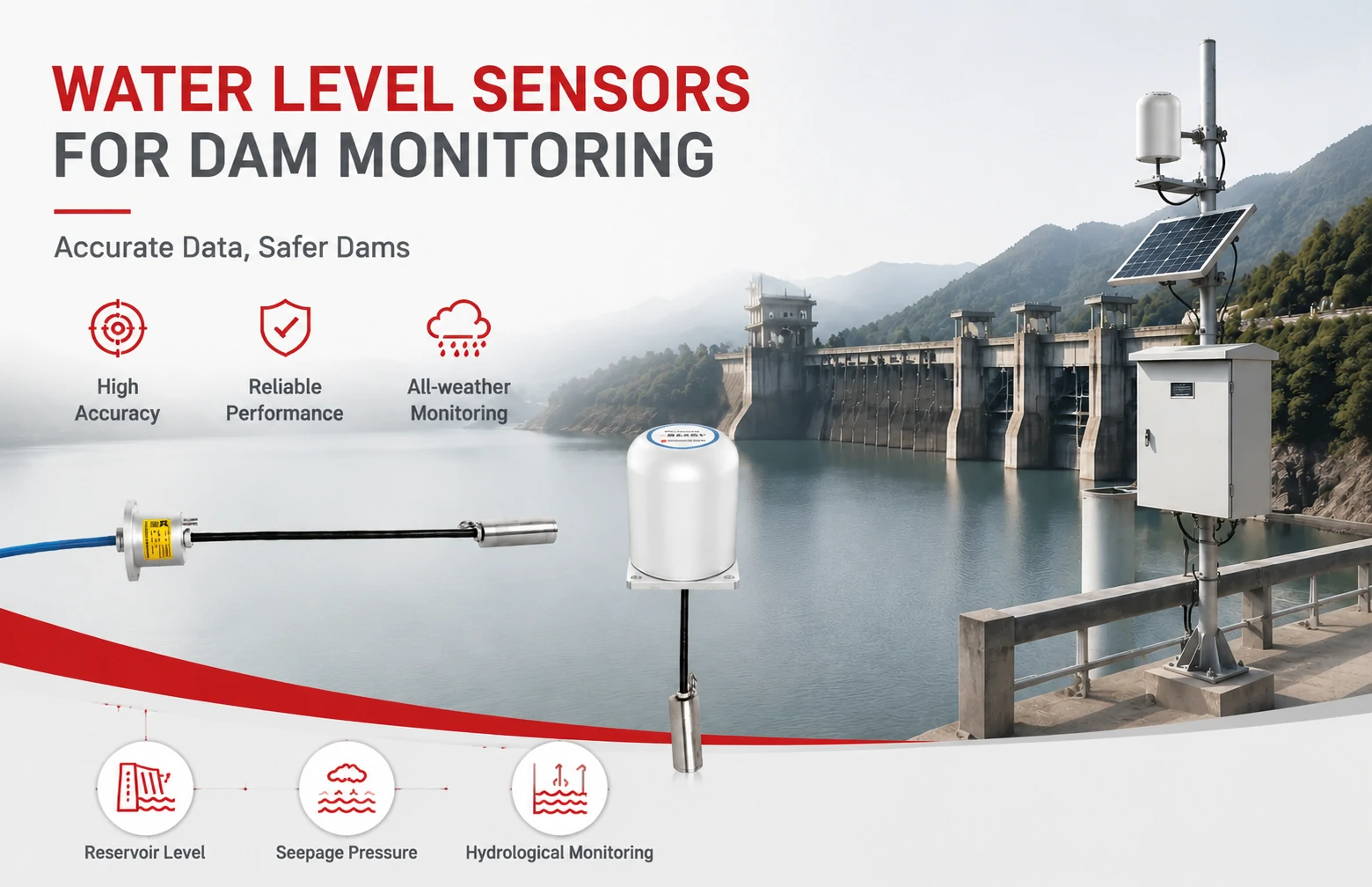
Kingmach Water Level Sensors for Dam Monitoring: A Buyer's Guide to Differential Pre...
Products
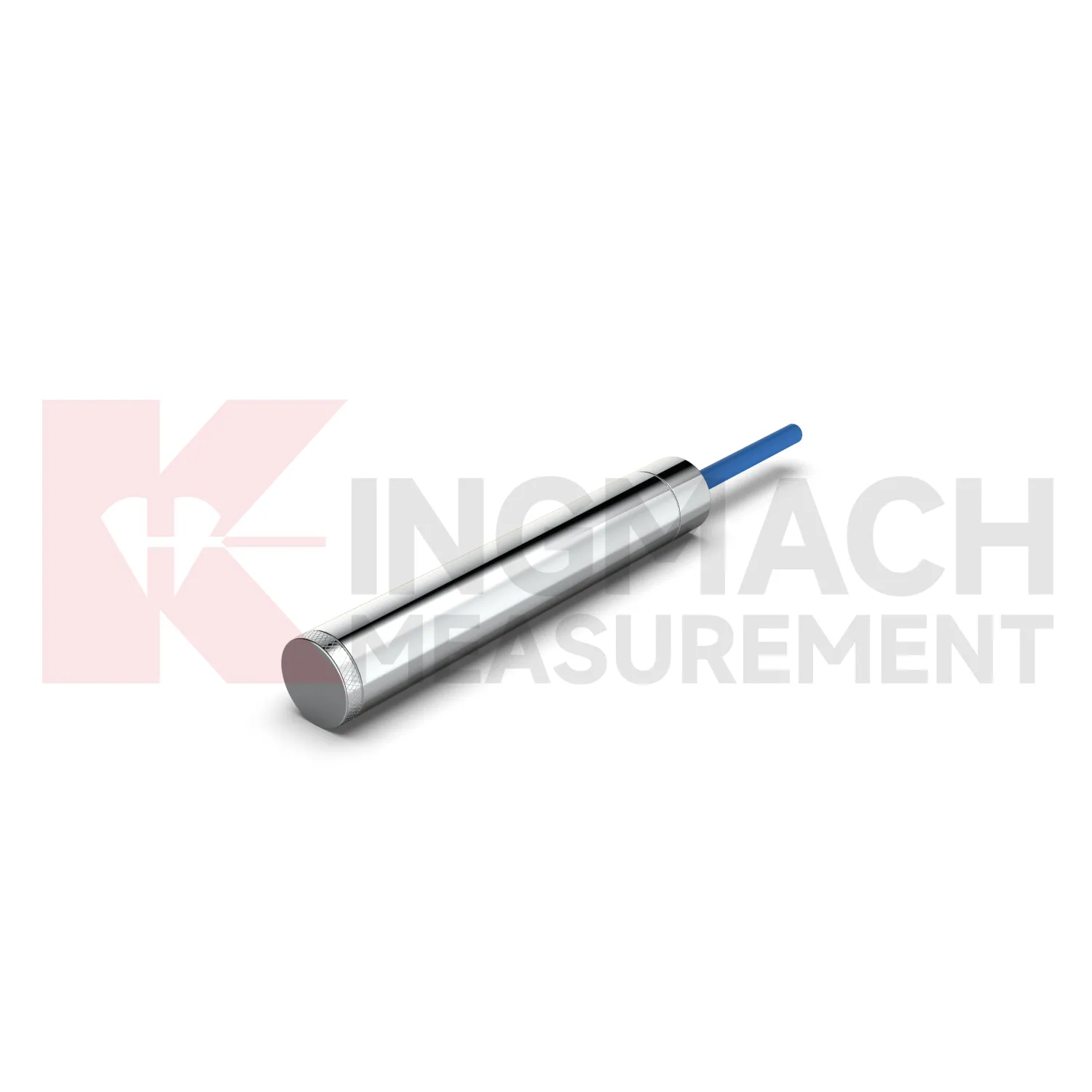
Smart Vibrating Wire PiezometerSmart Piezometers (VW) JMZX-55XXHAT
View Details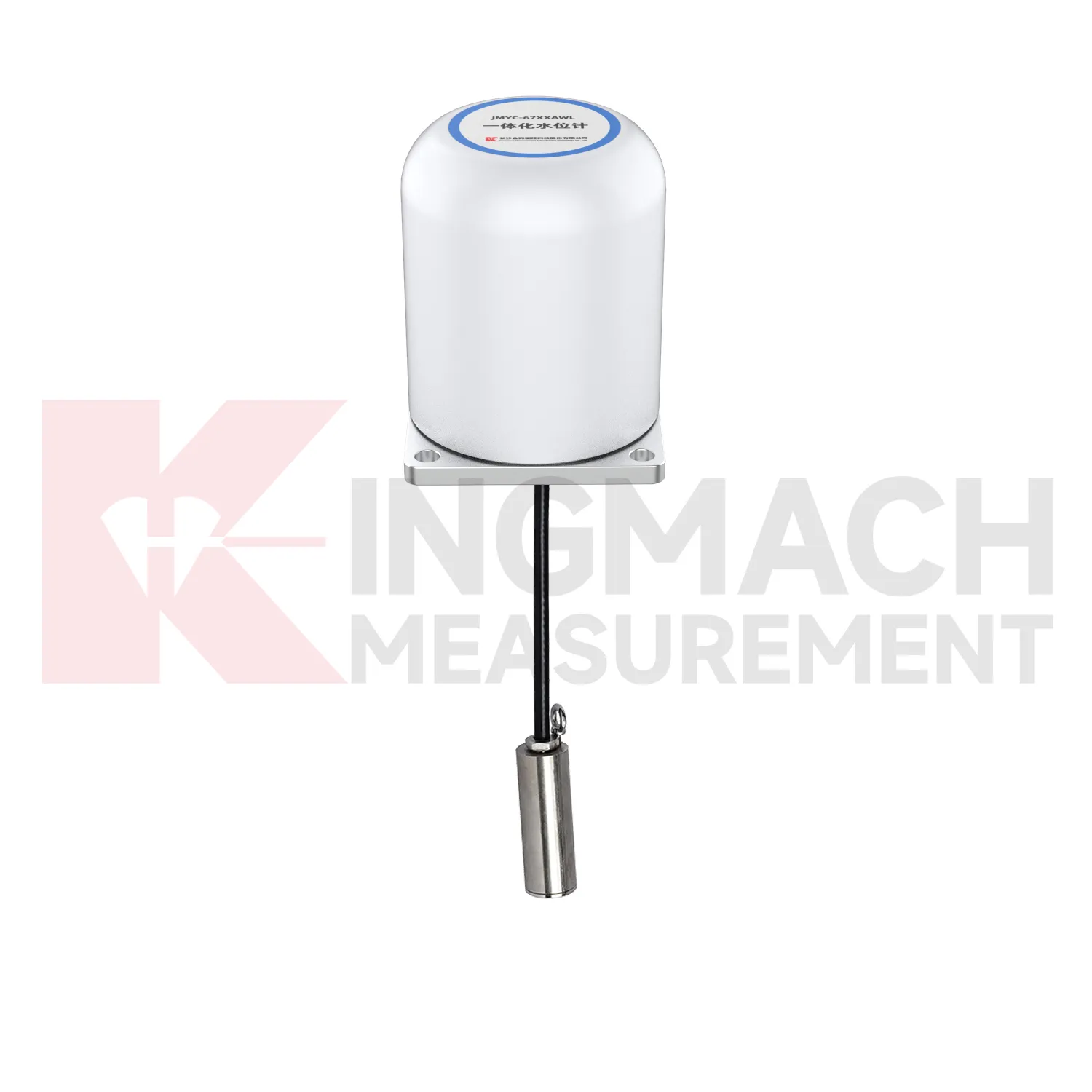
Integrated Wide-Range Differential Pressure Water Level Meter JMYC-67XXAWL
View Details
Axial Force Load Meter ( VW & Smart Type)JMZX-38XXHAT
View DetailsFAQ
The core idea is to establish a known relationship between the applied force and the sensor's electrical output. You apply a series of precise reference loads and measure the corresponding output signals. From there, you create a calibration curve—often a linear or polynomial equation—that lets any future output signal be accurately converted back into a force value.
Hysteresis means the output for a given load depends on whether the load is increasing or decreasing. During calibration, you typically take readings during both loading and unloading to characterize this effect. A good calibration method then uses algorithms to minimize hysteresis error. Many of Kingmach's sensors are designed with materials and strain gauge bonding that keep hysteresis low from the start.
There's no one-size-fits-all answer. In stable laboratory conditions, annual checks may be enough. In geotechnical field work with temperature swings and long-term monitoring, more frequent verification is wise. A good practice is to do a quick system check—like a shunt calibration—before each measurement campaign, and a full recalibration with reference weights every six to twelve months, or whenever data drift is suspected.
Partially. Many load cells include temperature compensation built into the strain gauge bridge, which reduces the zero shift and sensitivity change over a specified temperature range. Calibration performed at the expected operating temperature helps, and for high-accuracy work, you might establish correction factors at multiple temperatures. Kingmach's calibration data often includes temperature coefficients that allow software compensation.
Factory calibration is done under controlled conditions using highly accurate reference machines. It provides a baseline certificate traceable to national standards. Field calibration verifies that the sensor and its mounting, cabling, and instrumentation perform correctly on site. It's usually less precise but essential to catch installation errors or long-term drift. Kingmach recommends both—starting with the factory certificate and periodically confirming with a field check.
Share your product type, target capacity, and application requirements. Our team can review the details and recommend a practical next step.
If you are interested in our products or want to become our partner.
Please leave your contact information, our team will contact you as soon as possible.
Mail: [email protected]
Contact Us: +8613808434127
Address: No. 188 Tongzipo West Rd, Changsha, Hunan, China