
 EN
EN
 ar
ar bg
bg hr
hr cs
cs da
da nl
nl fi
fi fr
fr de
de el
el hi
hi it
it ko
ko no
no pl
pl pt
pt ro
ro ru
ru es
es sv
sv tl
tl iw
iw id
id lv
lv lt
lt sr
sr sk
sk sl
sl uk
uk vi
vi et
et hu
hu th
th tr
tr fa
fa ms
ms hy
hy ka
ka ur
ur bn
bn mn
mn ta
ta kk
kk uz
uz ku
ku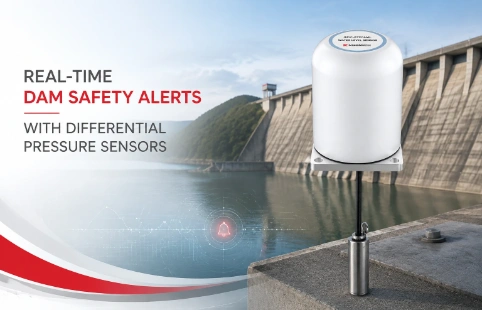
Real-Time Dam Safety Alerts with Differential Pressure Water Level Sensors
Key Takeaways An alert chain needs more than a sensor: define field in...

Cheap Load Cells That Deliver Real Value
For many projects, the load cell budget line can feel like a pinch point. You need accuracy, but you’re not in a position to spend high-end prices. That’s where the question of a ‘cheap load cell’ gets practical. It’s not about cutting corners; it’s about understanding what you actually need. A tank weigher in a dry indoor plant doesn’t need the same IP68 rating as a outdoor truck scale. Kingmach has been supplying geotechnical and industrial sensors long enough to know the difference. We design our affordable load cells to skip the frills but keep the core performance. This means standard mV/V outputs, reasonable temperature compensation, and the same strain gauge discipline we use in our higher-end instruments. The goal is simple: let you buy exactly the capacity and accuracy your job requires, without paying for over-specification.
Technical Detail
We keep our load cells affordable by focusing on what matters. The sensor bodies are machined from tool-grade alloy steel or aluminum, depending on the capacity. Each one gets tested for linearity and hysteresis on a calibrated test bench before it ships. So when you spec a Kingmach cheap load cell, you get a component that’s been through the same verification process as our industrial-grade models—just without the extra engineering for extreme temperatures or submersible use. That’s a fair trade-off if you’re running a packaging machine or a batching hopper inside a clean factory. Capacities range from a few kilograms up to several tonnes, covering most light to medium-duty weighing needs. Wiring is straightforward, typically a four-wire bridge with optional six-wire for long cable runs. You won’t find exotic digital outputs here, but the analog signal works with practically any weight indicator or PLC analog input card. We’ve seen these sensors installed in silo monitoring, belt scale conversions, and test rigs where the original load cell cost was beyond the project scope. By trimming non-essential coatings and sticking to standard IP65 construction, we hit a price point that makes multiple units cost less than a single premium cell. The ROI shows up quickly: one avoided overfill or a slightly more accurate batch often pays for the entire sensor set within months. And because we stock the common ranges, lead times are short. If you need a tension/compression version or a slightly different thread size, we can often accommodate that with a simple digital re-calibration and a mechanical adaptor. This flexible approach keeps the bill of materials low without gutting reliability. For critical applications, we’ll even share the test data so you can confirm the load cell meets your spec before you commit.
News
Key Takeaways An alert chain needs more than a sensor: define field in...
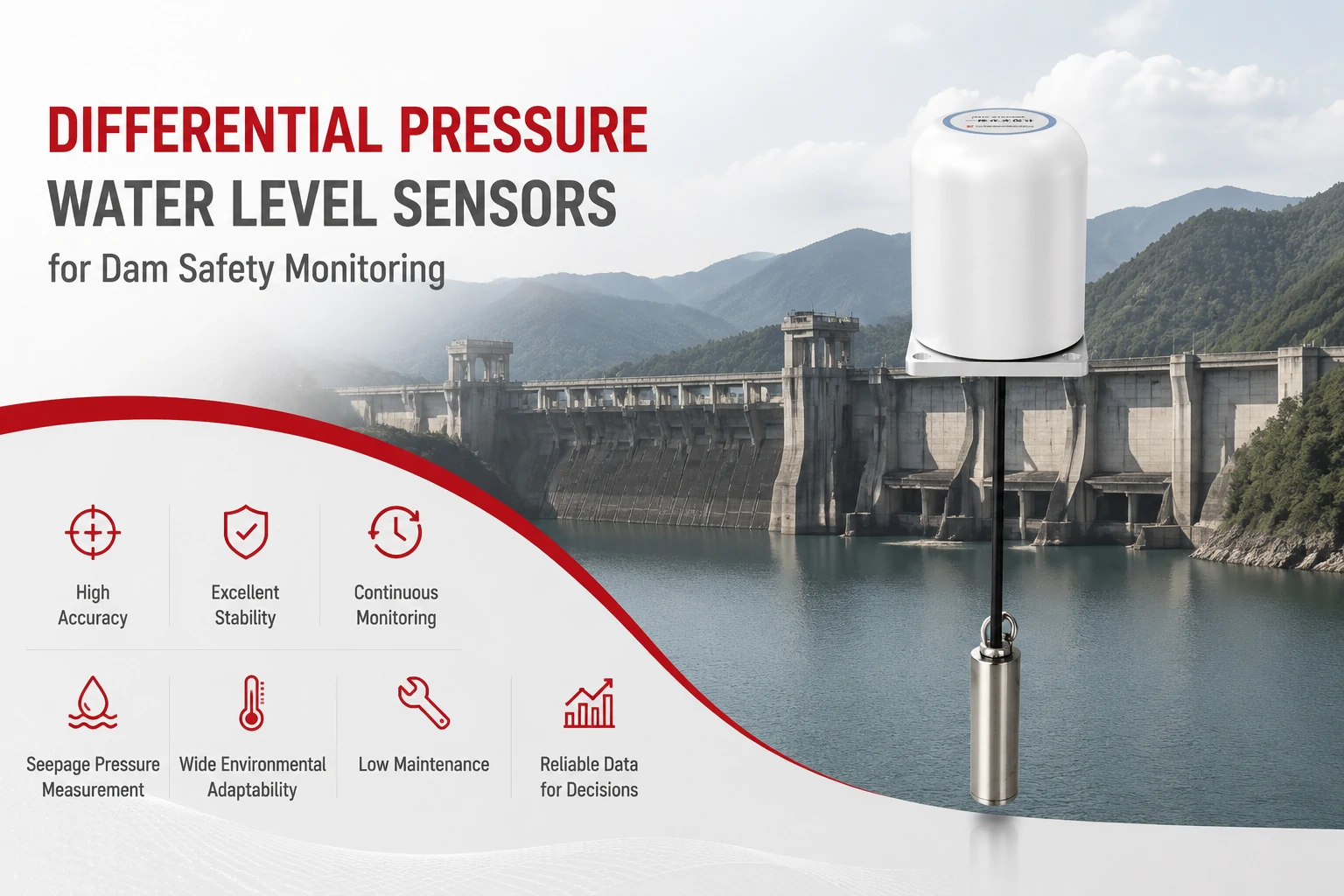
Key Takeaways The strongest fit is usually a confined, submerged, or s...
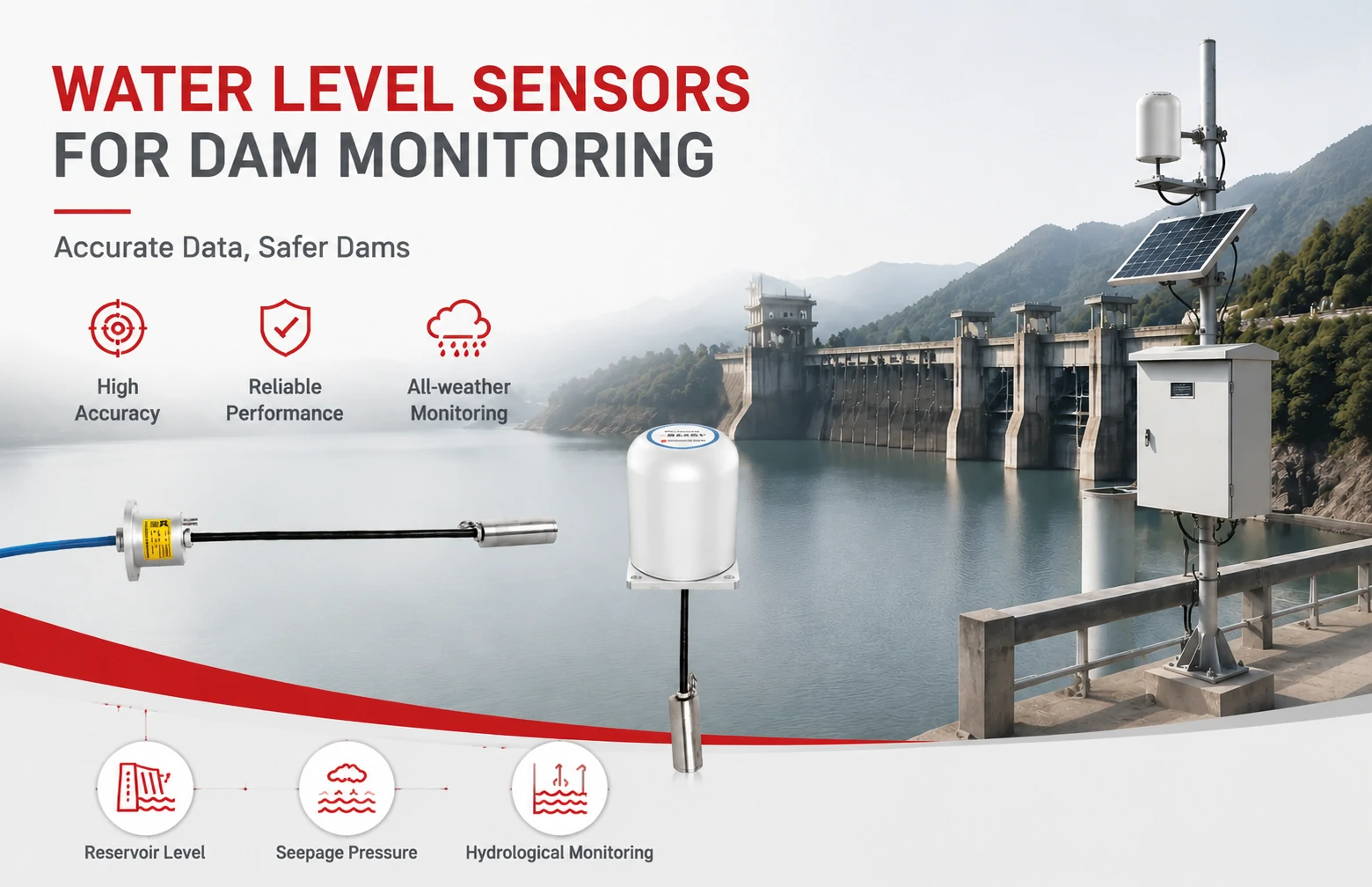
Kingmach Water Level Sensors for Dam Monitoring: A Buyer's Guide to Differential Pre...
Products
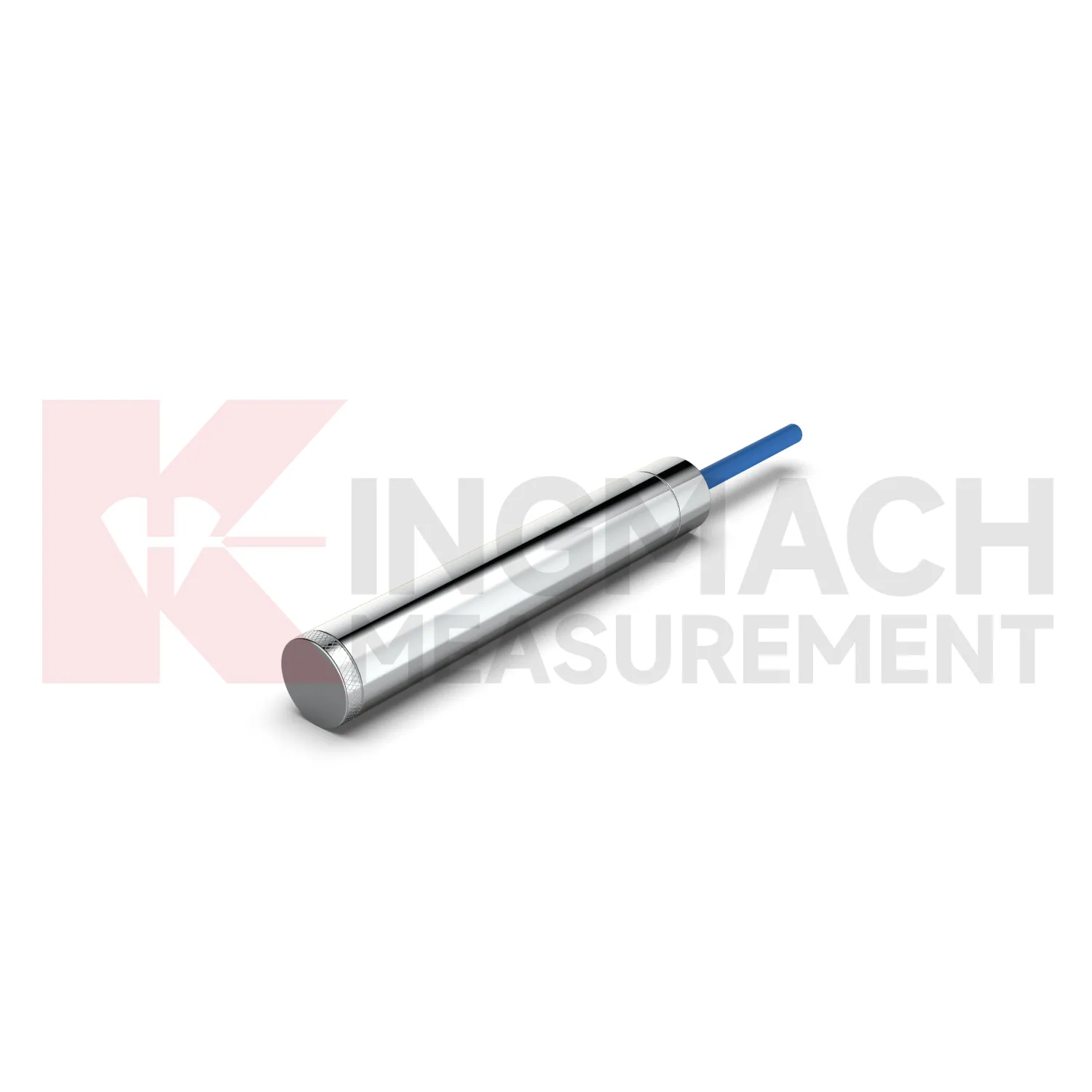
Smart Vibrating Wire PiezometerSmart Piezometers (VW) JMZX-55XXHAT
View Details
Large Earth Pressure Cell ( VW & Smart Type) JMZX-51XXAT/ ATM
View Details
Wide-Range Smart Differential Pressure Water Level Meter JMYC-67XXAD
View DetailsFAQ
Not necessarily. Many of our affordable load cells still achieve C3 accuracy class, which corresponds to ±0.02% of rated output. The difference often shows up in the extras—higher IP ratings, extended temperature compensation, or ATEX certification. If your environment is stable and you’re not pushing legal-for-trade metrology, a budget model can perform just as well.
With proper installation, even a low-cost load cell can run for years. Most early failures come from overloading, moisture creeping in, or cable damage at the gland. Using reasonable overload stops, keeping the cable entry sealed, and staying within the rated capacity goes a long way. We’ve had units in batching systems last over five years with just an annual zero check.
For small custom ranges, yes, because we can adjust the bridge resistance or the amplifier gain. For large custom capacities, the cost increases mainly because the sensing element’s physical size changes. We’ll help you see if a standard model can be tweaked—sometimes a different gage factor or a slight modification to the elastomer geometry does the trick.
Almost certainly. The output is typically 2 mV/V or 3 mV/V, which works with most standard indicators, transmitters, and PLC analog input modules. Just verify that your instrument can provide at least 5V excitation and read millivolt signals. If you need 4-20mA or 0-10V, we can add a low-cost inline amplifier.
Share your product type, target capacity, and application requirements. Our team can review the details and recommend a practical next step.
If you are interested in our products or want to become our partner.
Please leave your contact information, our team will contact you as soon as possible.
Mail: [email protected]
Contact Us: +8613808434127
Address: No. 188 Tongzipo West Rd, Changsha, Hunan, China