
 EN
EN
 ar
ar bg
bg hr
hr cs
cs da
da nl
nl fi
fi fr
fr de
de el
el hi
hi it
it ko
ko no
no pl
pl pt
pt ro
ro ru
ru es
es sv
sv tl
tl iw
iw id
id lv
lv lt
lt sr
sr sk
sk sl
sl uk
uk vi
vi et
et hu
hu th
th tr
tr fa
fa ms
ms hy
hy ka
ka ur
ur bn
bn mn
mn ta
ta kk
kk uz
uz ku
ku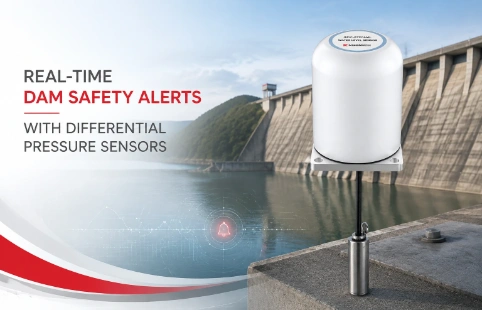
Real-Time Dam Safety Alerts with Differential Pressure Water Level Sensors
Key Takeaways An alert chain needs more than a sensor: define field in...

Pressure Cells: Reliable Stress Monitoring in the Field
Stress measurement in soil or at the interface between concrete and rock is never straightforward. Without the right instrument, you end up with guesswork—and guesswork in geotechnical engineering can get expensive fast. Pressure cells change that. At Kingmach, we see them used in everything from dam foundations to tunnel linings, and the common thread is always the same: engineers need a number they can trust, not a ballpark figure. Our pressure cells are built to deliver that—simple, robust, and designed to match the job, whether it’s a standard installation or something that needs custom tweaking. In this page, we’ll walk through what makes these instruments tick and how they fit into real monitoring programs, without the fluff.
Technical Detail
A pressure cell—sometimes called a total pressure cell or earth pressure cell—is a transducer that turns the mechanical stress in a medium into a readable signal. In practice, that means you embed it in fill, cast it into concrete, or place it against a structure, and it tells you how the load is distributed over time. These instruments are essential for monitoring earth dams, retaining walls, tunnel linings, and deep foundations. Without them, you’re flying blind when it comes to lateral earth pressure or the stress at a soil-structure interface. Kingmach has been supplying pressure cells to geotechnical projects for years, and the range covers both hydraulic and vibrating wire types. Hydraulic cells use a flat pad filled with fluid; a pressure transducer senses changes, giving a direct, stable reading. Vibrating wire cells, on the other hand, convert pressure to a frequency signal, which travels long distances without degradation and resists electrical noise. Engineers often choose hydraulic cells for short-term, high-sensitivity applications, while vibrating wire models are better suited for long-term, remote monitoring. Beyond the sensor type, construction details matter. Kingmach cells are welded from stainless steel, with robust cable entries to keep moisture out. The thin, flexible sensing area helps the cell conform to uneven surfaces—a small detail that makes a big difference in measurement accuracy. Each cell is calibrated and comes with a traceable certificate, so you’re not starting from scratch. Because every site is different, we offer custom dimensions, pressure ranges, and cable lengths. Our team can walk you through the trade-offs: a thicker plate handles rough backfill but may sacrifice sensitivity; a larger diameter averages stress over a wider area. There’s no universal “best” cell, only the one that matches your soil type, construction sequence, and data needs. And when problems arise—maybe a cable gets snagged or readings drift—our engineers are available to help troubleshoot, drawing on case experience from dozens of instrumented sites worldwide. That’s the practical side of what we do: not just selling a sensor, but making sure it works in the ground.
News
Key Takeaways An alert chain needs more than a sensor: define field in...
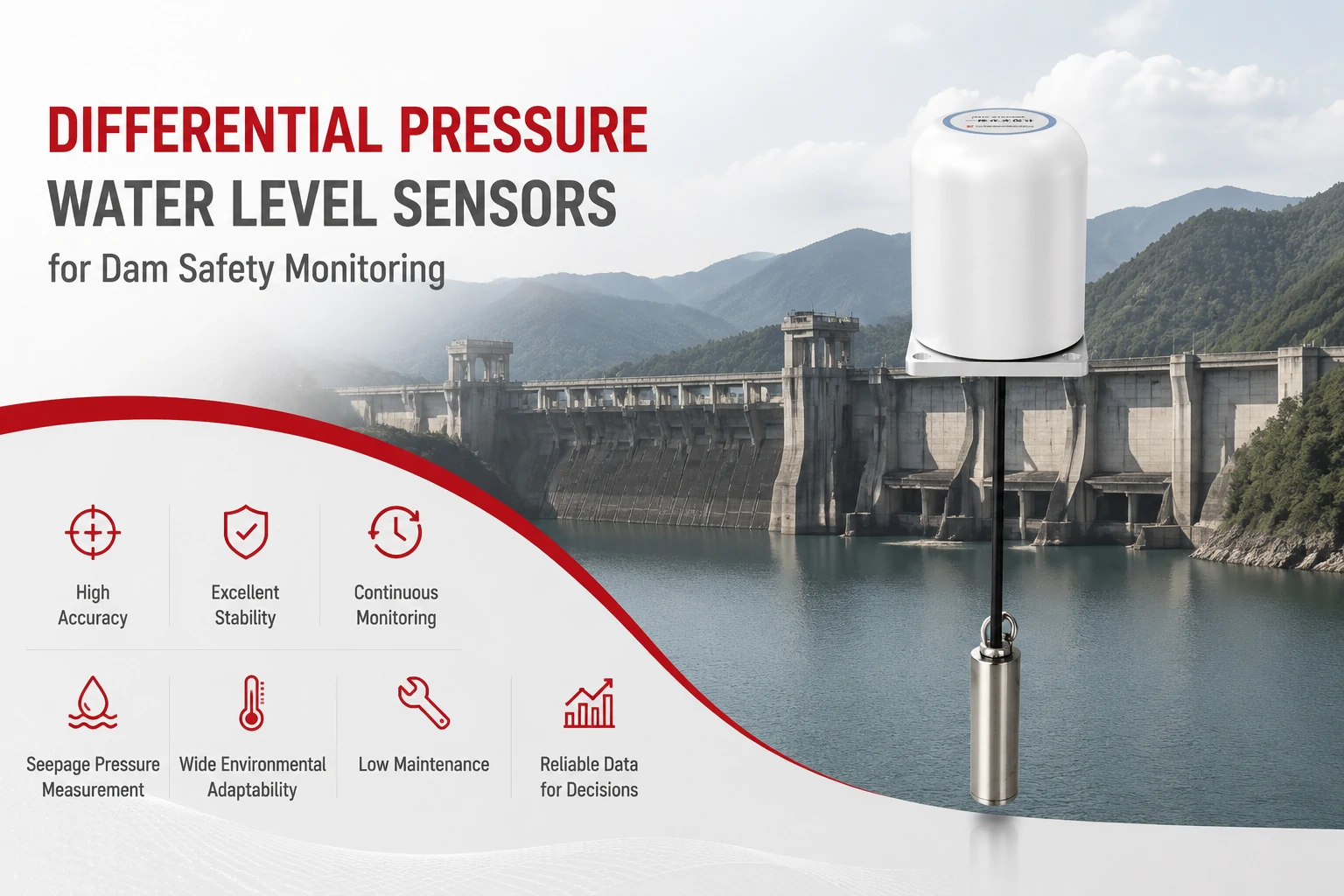
Key Takeaways The strongest fit is usually a confined, submerged, or s...
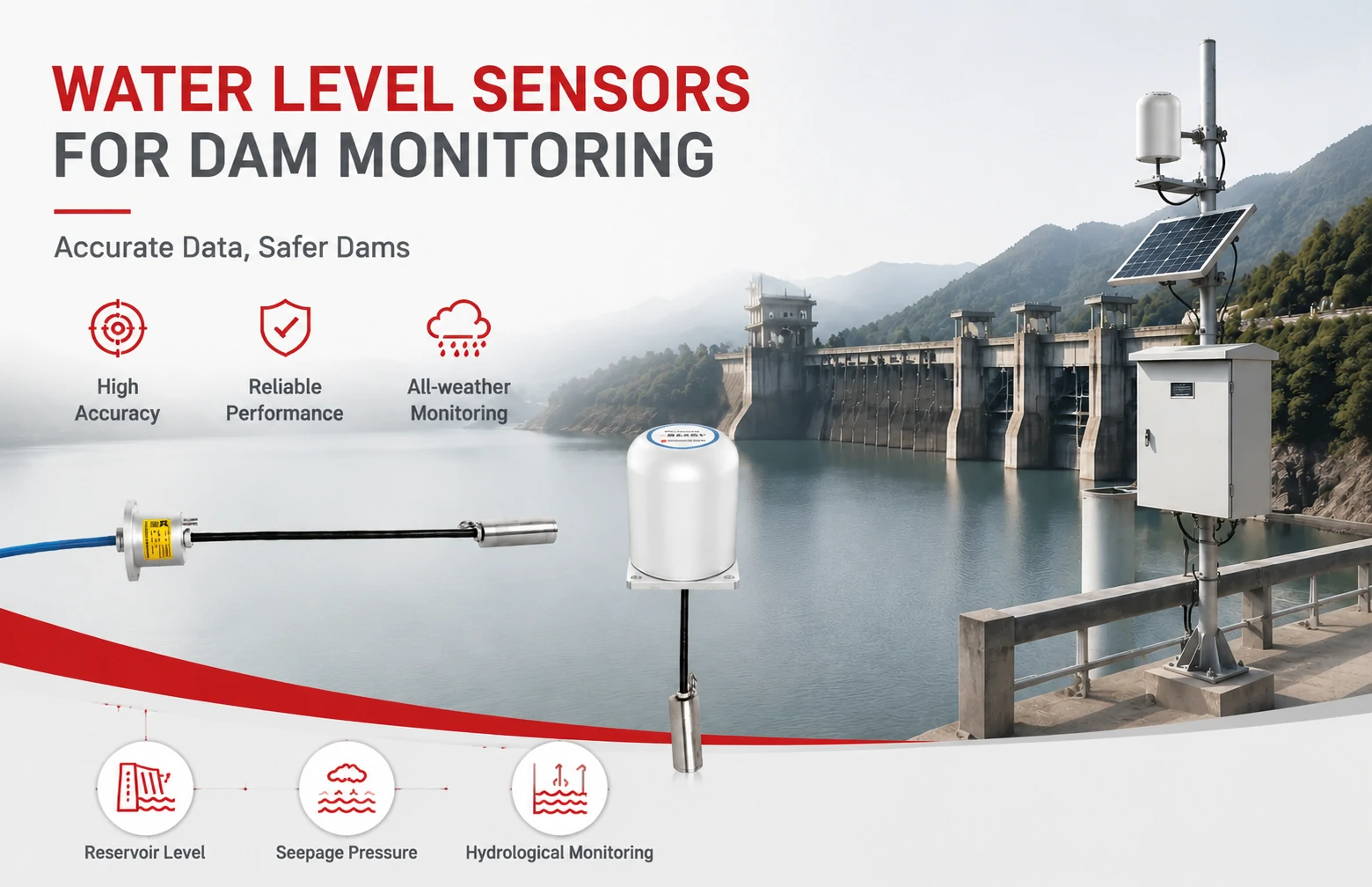
Kingmach Water Level Sensors for Dam Monitoring: A Buyer's Guide to Differential Pre...
Products
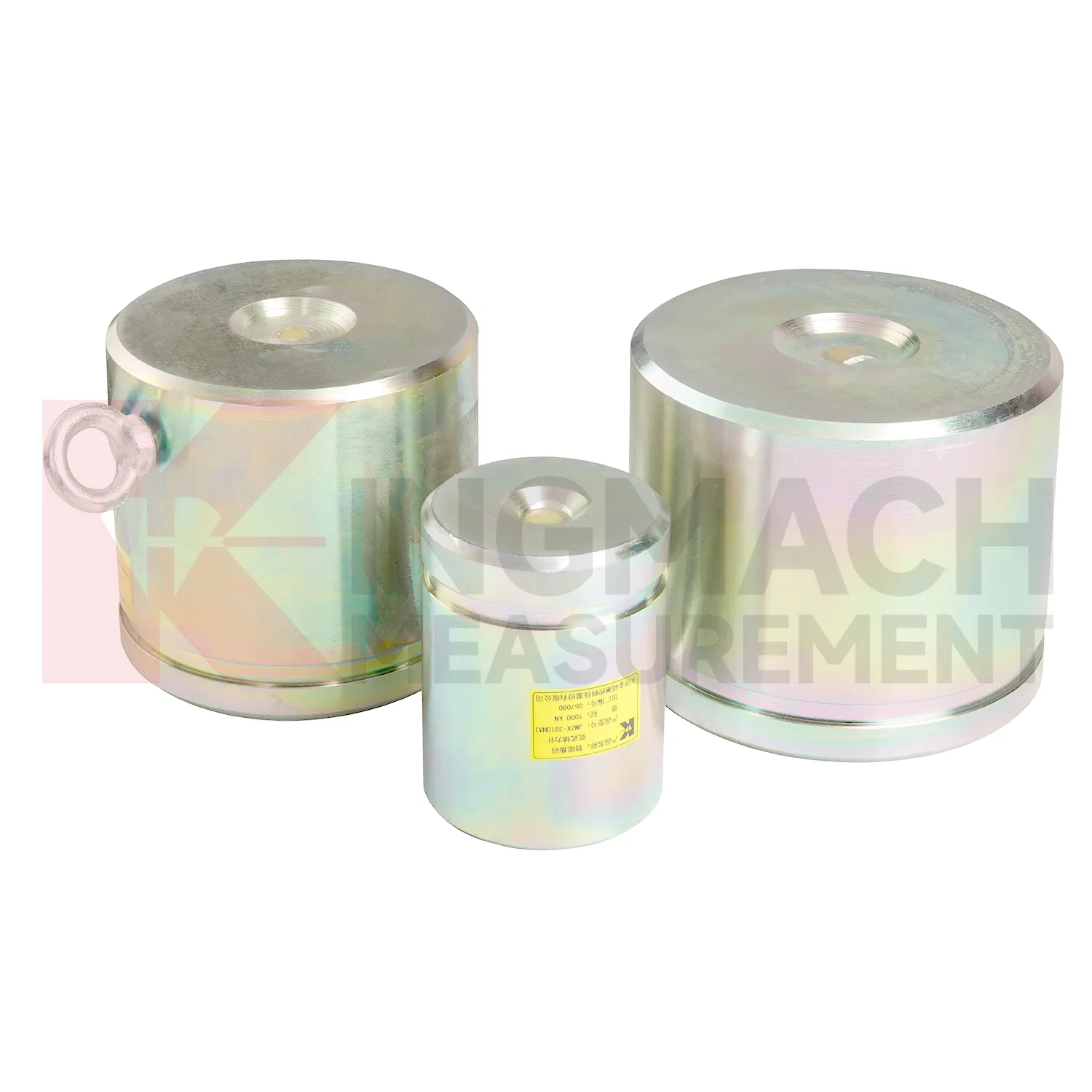
Axial Force Load Meter ( VW & Smart Type)JMZX-38XXHAT
View Details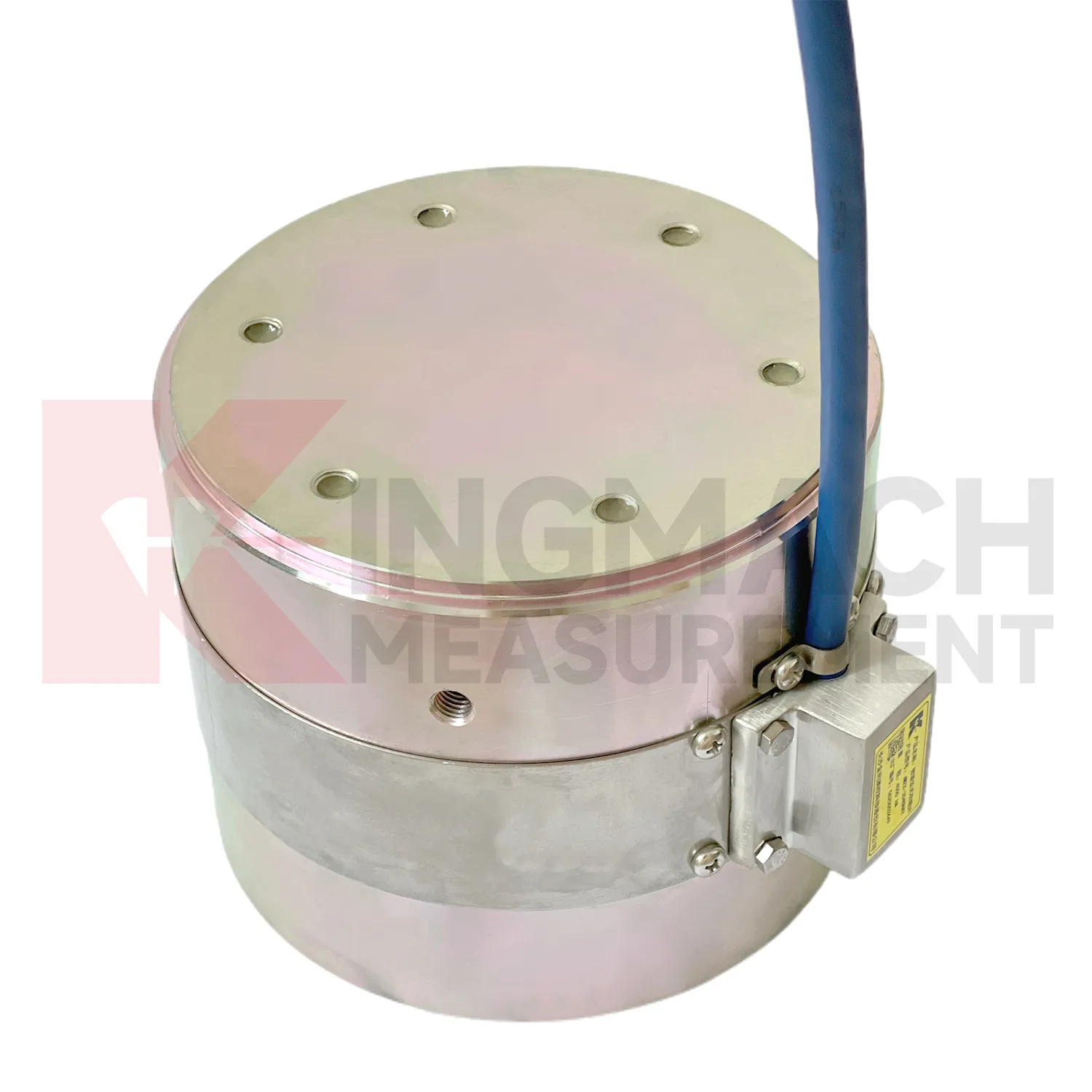
Solid load cell JMZX-34XXHAT、35XXHAT、36XXHAT
View Details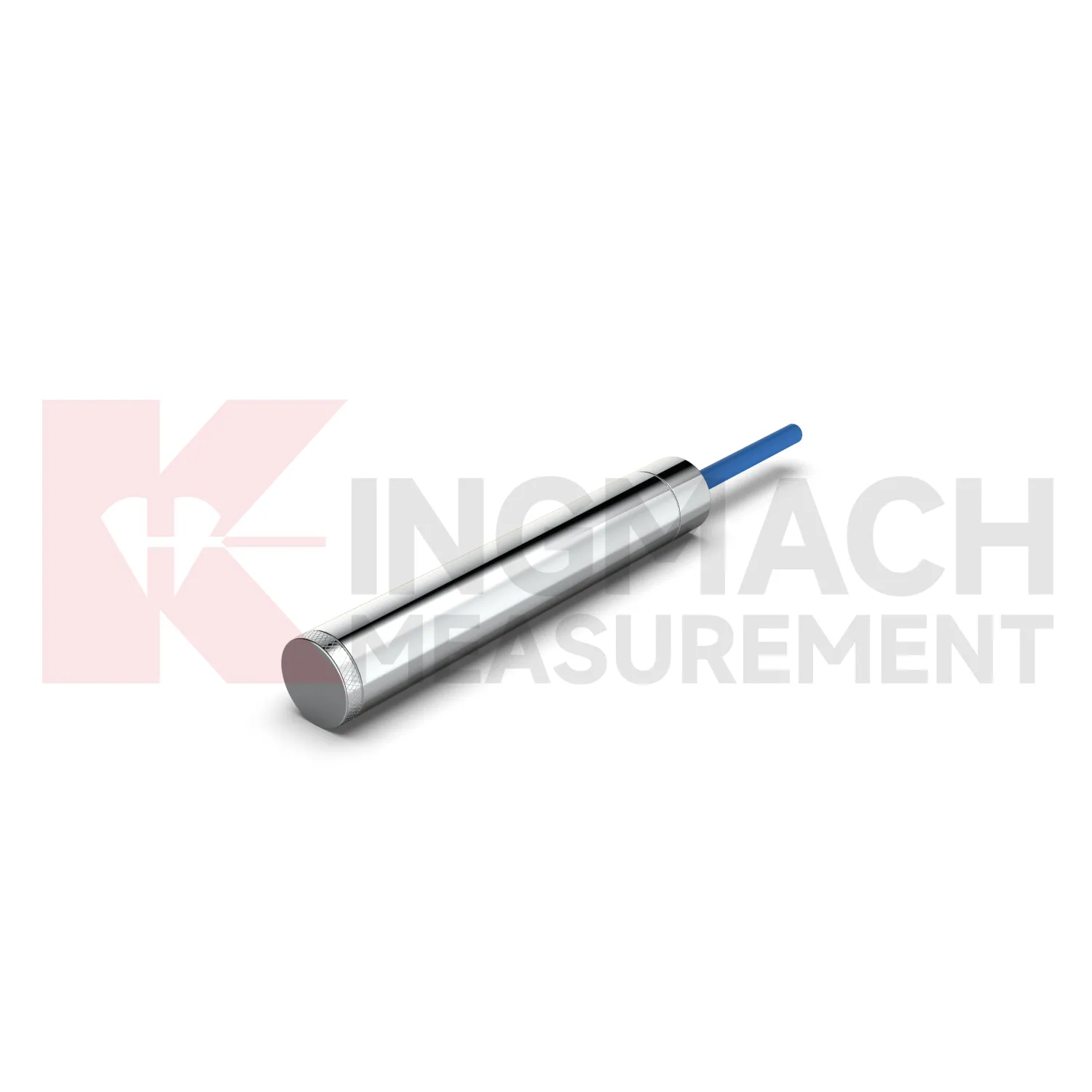
Smart Vibrating Wire PiezometerSmart Piezometers (VW) JMZX-55XXHAT
View DetailsFAQ
Hydraulic cells use a fluid-filled pad connected to a pressure transducer; they respond quickly and work well for dynamic measurements or short-term studies. Vibrating wire cells convert stress to a change in wire tension and frequency, so they’re immune to electrical noise and ideal for long-term, remote monitoring where cables run hundreds of meters.
Yes, that’s routine for us. We’ve built rectangular cells for specific trench layouts, cells with extended wings for better embedment, and versions rated for very high overburden pressures in deep mines. Just provide your target pressure range and installation constraints, and we’ll suggest a design.
Placement is critical. The cell must be in full contact with the surrounding material, with no air pockets or hard points. We recommend a fine sand layer or a thin grout cushion. Post-installation, we often do a quick load check—press on the fill above and watch the response. It’s not a perfect calibration, but it catches major seating issues early.
Our vibrating wire cells output a standard frequency signal, so they work with most loggers from Campbell Scientific, Geokon, RST, and others. Hydraulic cells output a 4-20 mA or voltage signal; just match the wiring. We supply pinout diagrams and calibration sheets with every cell.
It varies, but a well-made stainless steel cell can last decades if the cable entry stays sealed. We protect the sensor housing with double O-rings and a rugged cable gland. In saturated soils, we’ve retrieved cells after 15 years that still read within spec. The weak point is usually the cable, not the cell body, so proper routing and protection matter more than the sensor itself.
Share your product type, target capacity, and application requirements. Our team can review the details and recommend a practical next step.
If you are interested in our products or want to become our partner.
Please leave your contact information, our team will contact you as soon as possible.
Mail: [email protected]
Contact Us: +8613808434127
Address: No. 188 Tongzipo West Rd, Changsha, Hunan, China