
 EN
EN
 ar
ar bg
bg hr
hr cs
cs da
da nl
nl fi
fi fr
fr de
de el
el hi
hi it
it ko
ko no
no pl
pl pt
pt ro
ro ru
ru es
es sv
sv tl
tl iw
iw id
id lv
lv lt
lt sr
sr sk
sk sl
sl uk
uk vi
vi et
et hu
hu th
th tr
tr fa
fa ms
ms hy
hy ka
ka ur
ur bn
bn mn
mn ta
ta kk
kk uz
uz ku
ku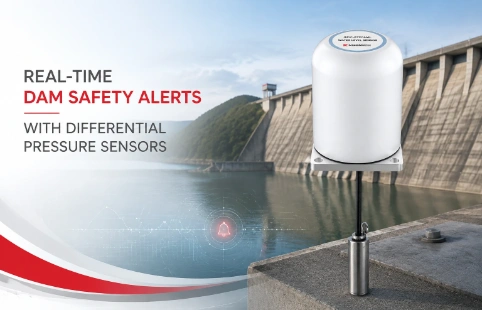
Real-Time Dam Safety Alerts with Differential Pressure Water Level Sensors
Key Takeaways An alert chain needs more than a sensor: define field in...

Temperature Sensor Resistance: A Field Engineer’s Perspective
Most engineers learn about temperature sensor resistance from a textbook curve—a neat line of resistance versus temperature. Then you get into the field, where cable runs stretch hundreds of meters, moisture creeps into connections, and the tidy curve turns into a moving target. Kingmach has been navigating this reality for years, supplying temperature sensors and monitoring systems that survive the mud and still deliver stable resistance readings. Why does resistance matter so much? Because every geotechnical sensor—whether it’s a thermistor, RTD, or thermocouple—relies on a predictable change in resistance to give you a temperature. Drift in that signal means false alarms or missed warnings. This page explains how our instruments manage resistance-related drift, what you can do during installation to protect signal integrity, and where Kingmach fits into your monitoring strategy.
Technical Detail
Kingmach builds temperature sensors for people who don’t always work in ideal conditions. Our sensors rely on proven resistive elements—mostly platinum RTDs and precision thermistors—that deliver repeatable temperature-to-resistance curves. The trick isn’t just the element; it’s how we shield the resistance signal from environmental noise. We pot sensor assemblies in thermally conductive epoxies that isolate the resistive element from moisture ingress while still responding quickly to temperature changes. For long cable runs, we often recommend a current loop transmitter to convert the resistance reading to a 4–20mA signal, which laughs at contact resistance variations along the line. Our data loggers can also handle three-wire or four-wire resistance measurements directly, compensating for lead resistance automatically—a feature that makes a noticeable difference when you’re monitoring a dam or a tunnel with cables in the hundreds of meters. Because we manufacture most sensor components in-house, we can match the resistance-temperature characteristics to your specific range—say –20°C to 120°C—with curve fitting that holds within 0.1°C across the span. This makes sensor swap-outs straightforward, as the replacement unit will read nearly identical to the original. Typical applications include concrete temperature monitoring during curing, soil temperature profiles for permafrost studies, and groundwater temperature logging. In each case, the sensor’s resistance stability translates directly into data confidence. Kingmach offers technical support to help you select the right resistance configuration and wiring scheme for your project, and we stock common calibration curves for quick shipment.
News
Key Takeaways An alert chain needs more than a sensor: define field in...
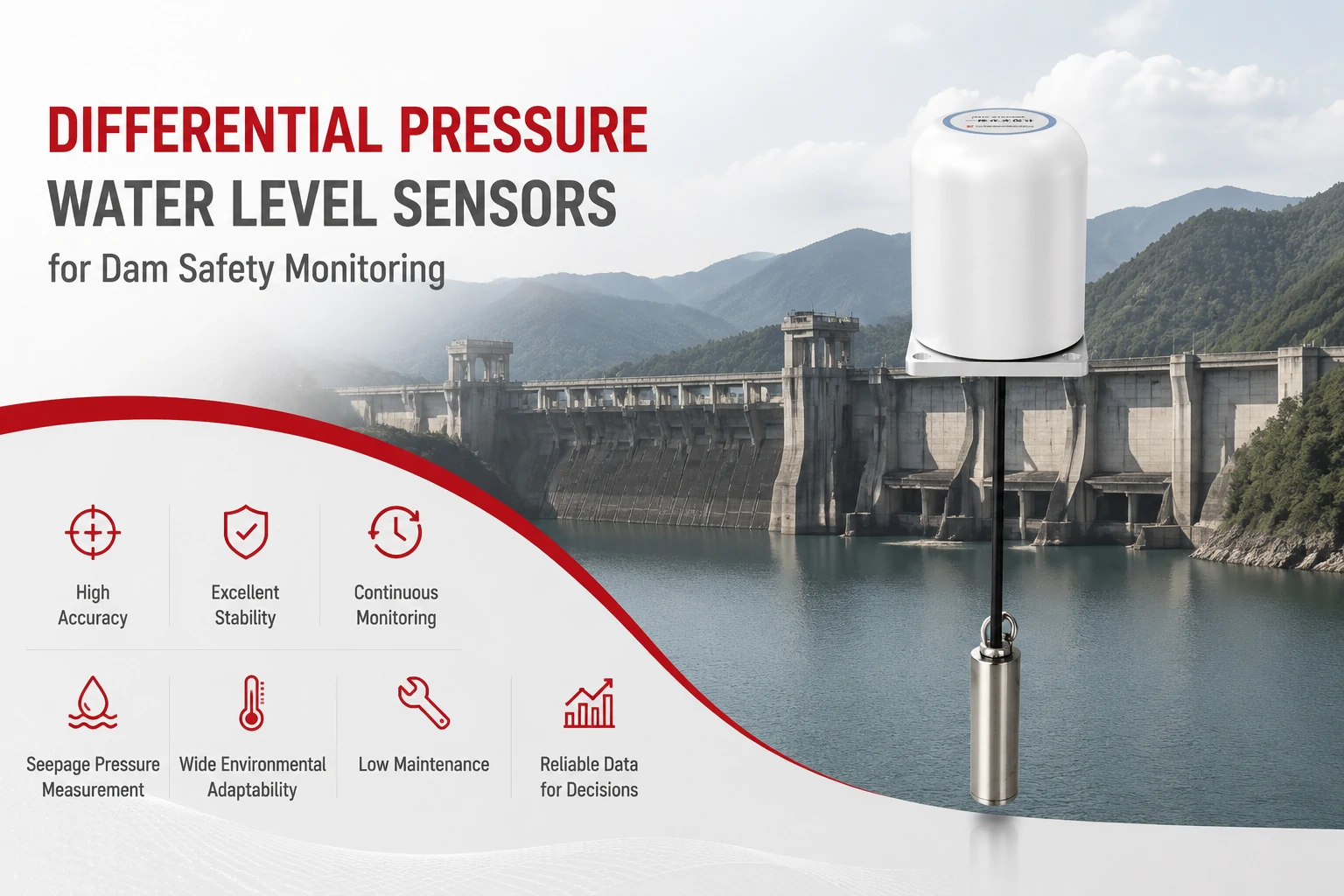
Key Takeaways The strongest fit is usually a confined, submerged, or s...
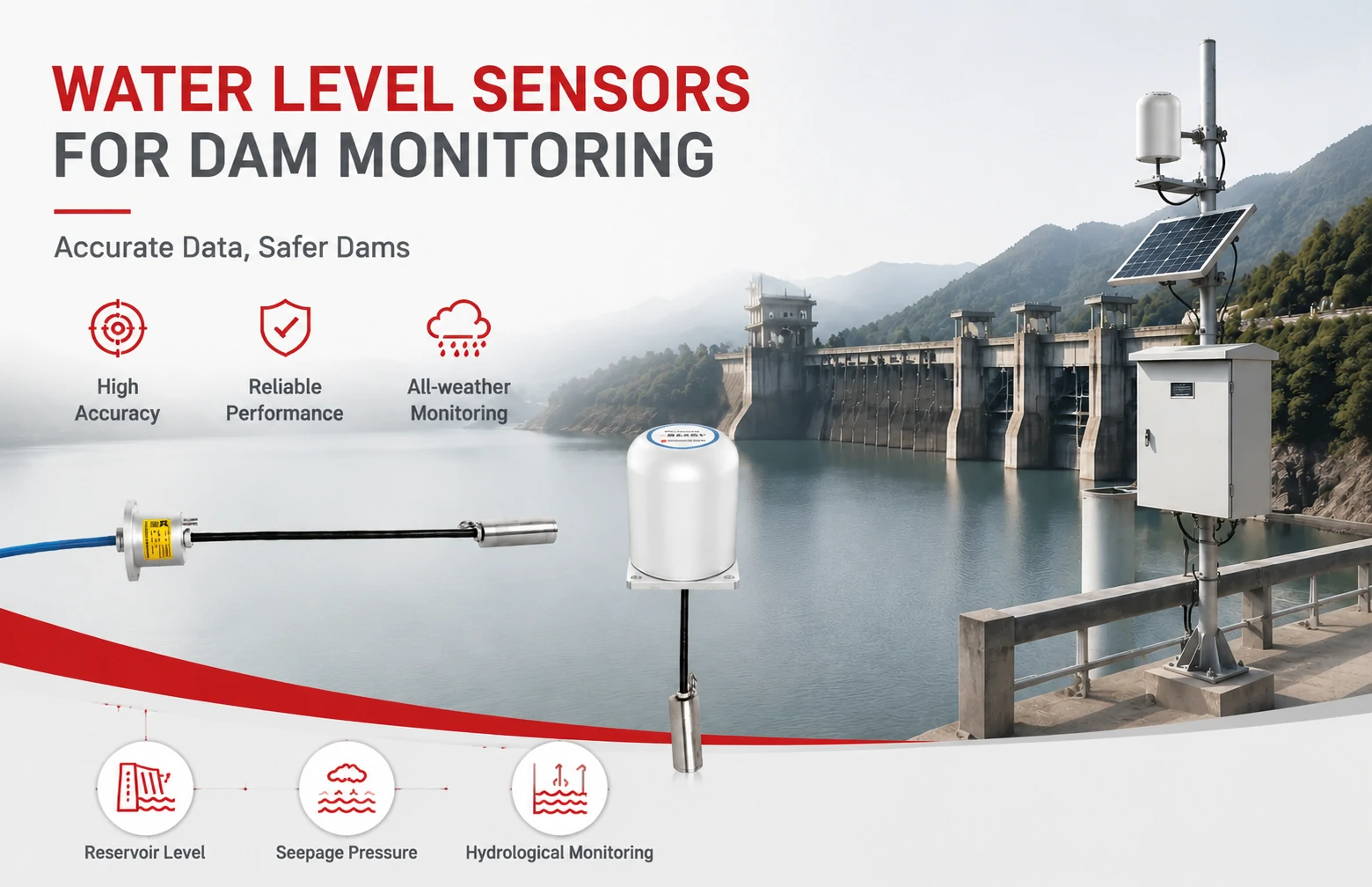
Kingmach Water Level Sensors for Dam Monitoring: A Buyer's Guide to Differential Pre...
Products
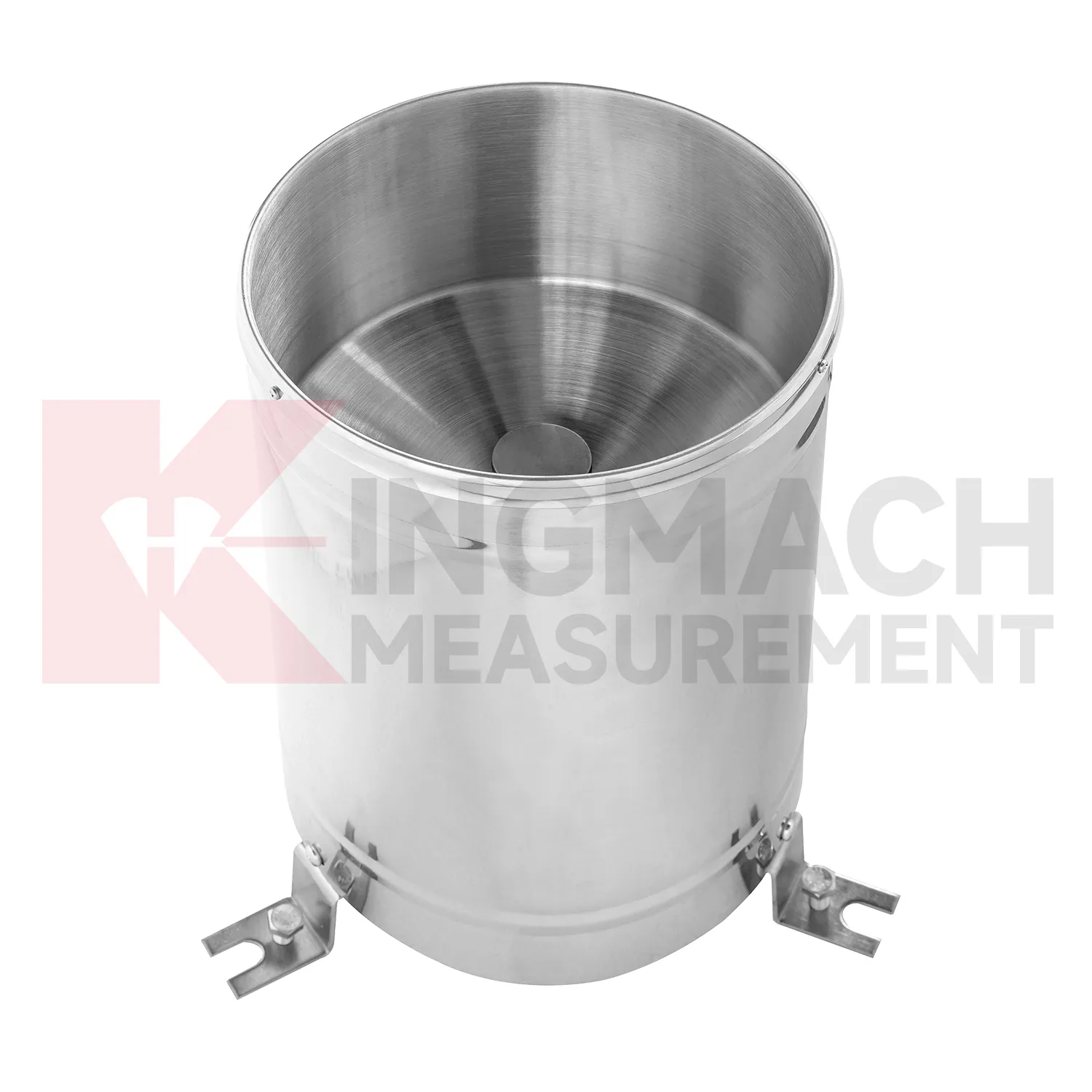
FAQ
Resistance is the electrical property that most temperature sensors use to indicate temperature. Over time, if the sensor’s resistance drifts due to moisture, corrosion, or mechanical stress, your temperature reading becomes unreliable. In geotechnical monitoring, that could mean missing early signs of frost heave or overheating. Kingmach designs sensors to minimize drift by sealing resistive elements and using stable materials.
Yes, you can measure the resistance of an unconnected sensor with a multimeter on the ohms setting. At a known temperature (e.g., 0°C for a Pt100 RTD), you should see close to 100 ohms. However, keep in mind that handheld multimeters often inject a small current that can slightly self-heat the sensor, so the reading may be off by a fraction of an ohm. For precise field checks, we recommend using a dedicated temperature calibrator.
In two-wire configurations, the resistance of the lead wires adds directly to the sensor’s resistance, causing a positive offset in temperature readings. For a Pt100, every ohm of lead resistance translates to about 2.5°C error. Three-wire and four-wire setups eliminate this error by measuring and compensating for the lead resistance. Kingmach provides wiring diagrams and can pre-configure sensors for the method that best suits your cable length.
Platinum RTDs, particularly the Pt100 and Pt1000, have nearly linear resistance-temperature curves over a wide range. Thermistors are more sensitive but highly nonlinear. If you need simplicity in signal processing and good interchangeability, an RTD is often the better choice. Kingmach’s RTDs come with standard curves (IEC 60751) that work with off-the-shelf transmitters.
Yes. Because we manufacture the sensing elements in-house, we can tailor the nominal resistance (e.g., 500 ohm, 2000 ohm) and the temperature coefficient to match your data acquisition system. This is useful when you have existing readout equipment calibrated for a specific sensor type. Contact our engineering team with your requirements.
Share your product type, target capacity, and application requirements. Our team can review the details and recommend a practical next step.
If you are interested in our products or want to become our partner.
Please leave your contact information, our team will contact you as soon as possible.
Mail: [email protected]
Contact Us: +8613808434127
Address: No. 188 Tongzipo West Rd, Changsha, Hunan, China