
 EN
EN
 ar
ar bg
bg hr
hr cs
cs da
da nl
nl fi
fi fr
fr de
de el
el hi
hi it
it ko
ko no
no pl
pl pt
pt ro
ro ru
ru es
es sv
sv tl
tl iw
iw id
id lv
lv lt
lt sr
sr sk
sk sl
sl uk
uk vi
vi et
et hu
hu th
th tr
tr fa
fa ms
ms hy
hy ka
ka ur
ur bn
bn mn
mn ta
ta kk
kk uz
uz ku
ku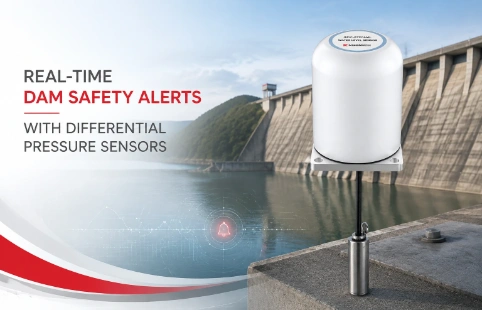
Real-Time Dam Safety Alerts with Differential Pressure Water Level Sensors
Key Takeaways An alert chain needs more than a sensor: define field in...

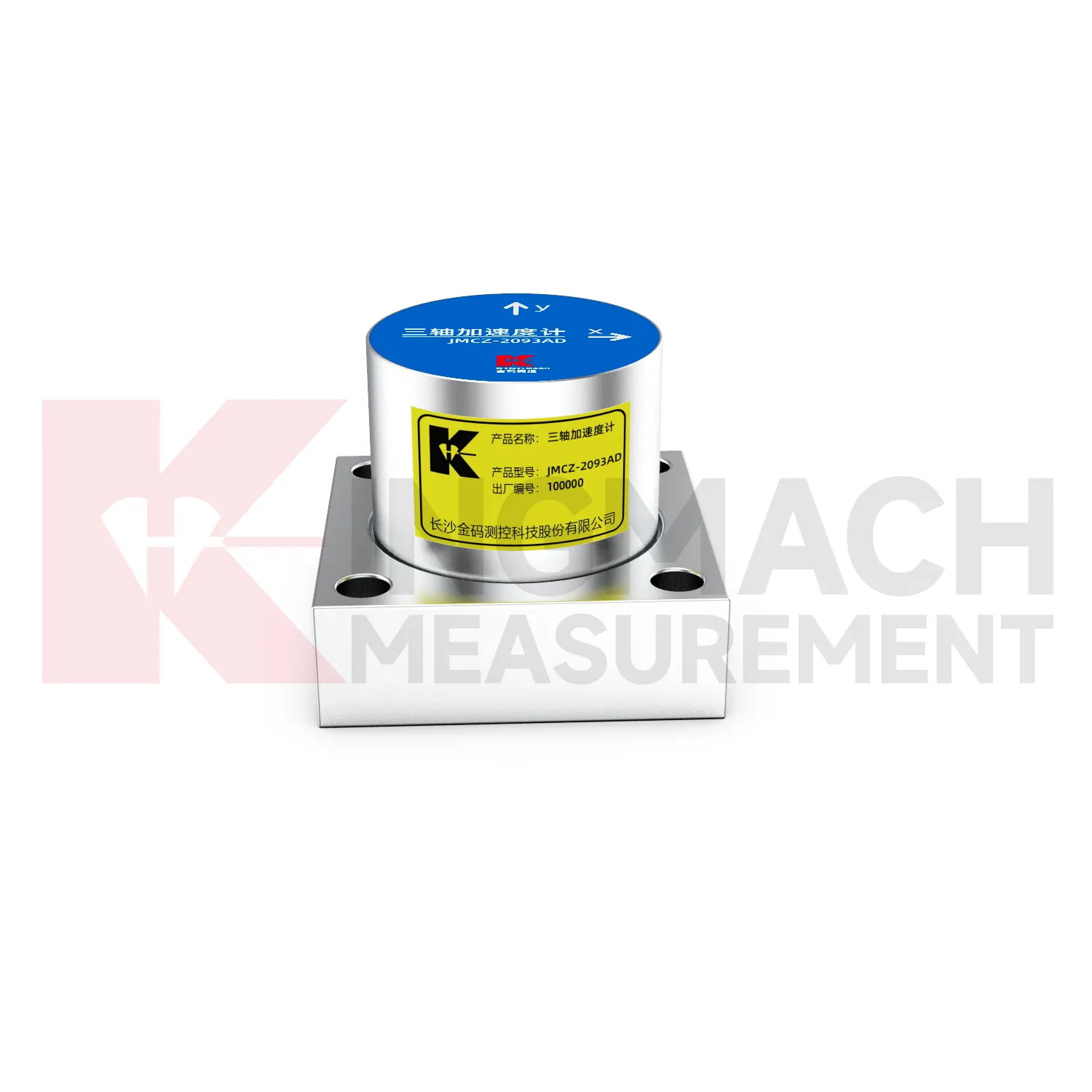
Accelerometer Vibration Sensors That Fit Your Monitoring Setup
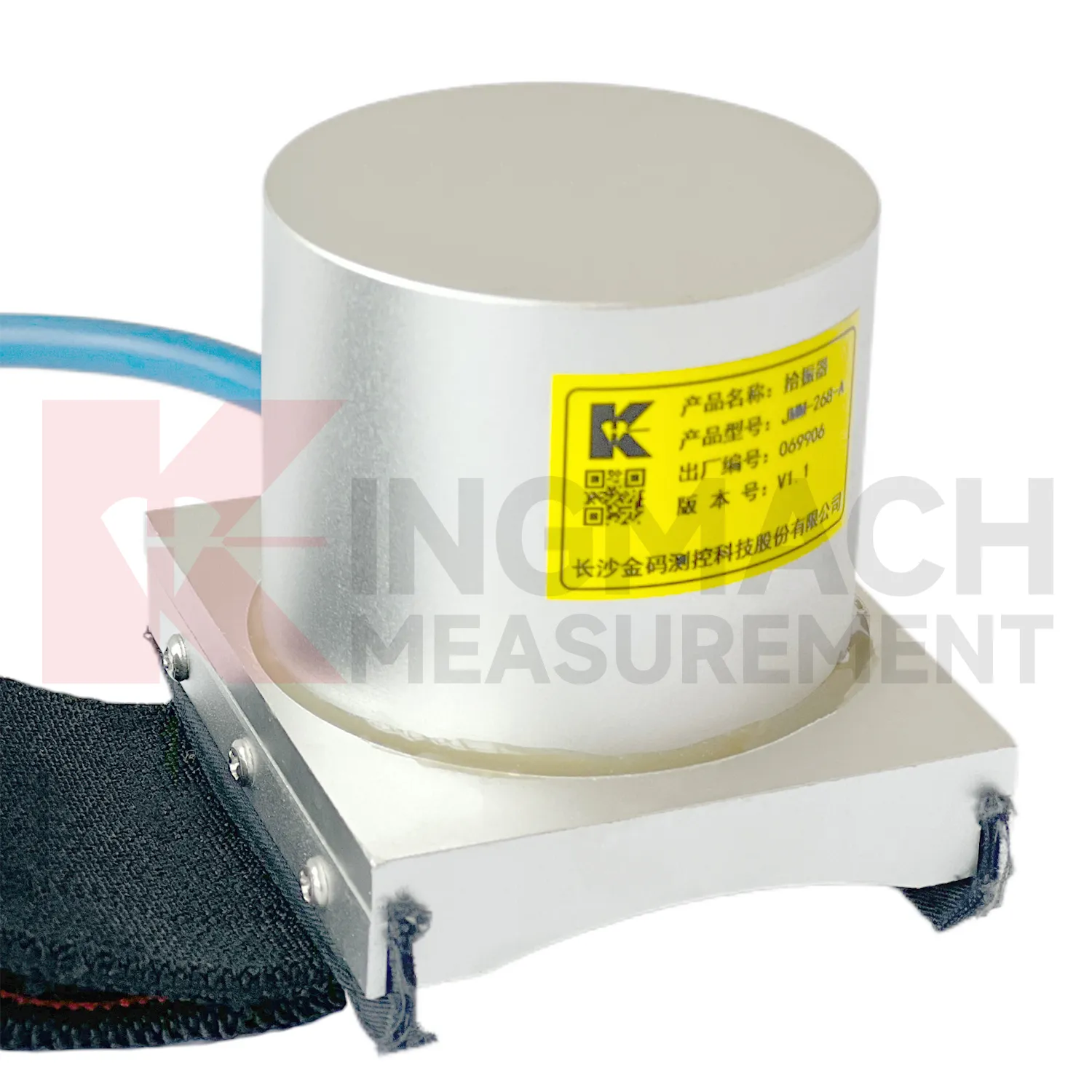
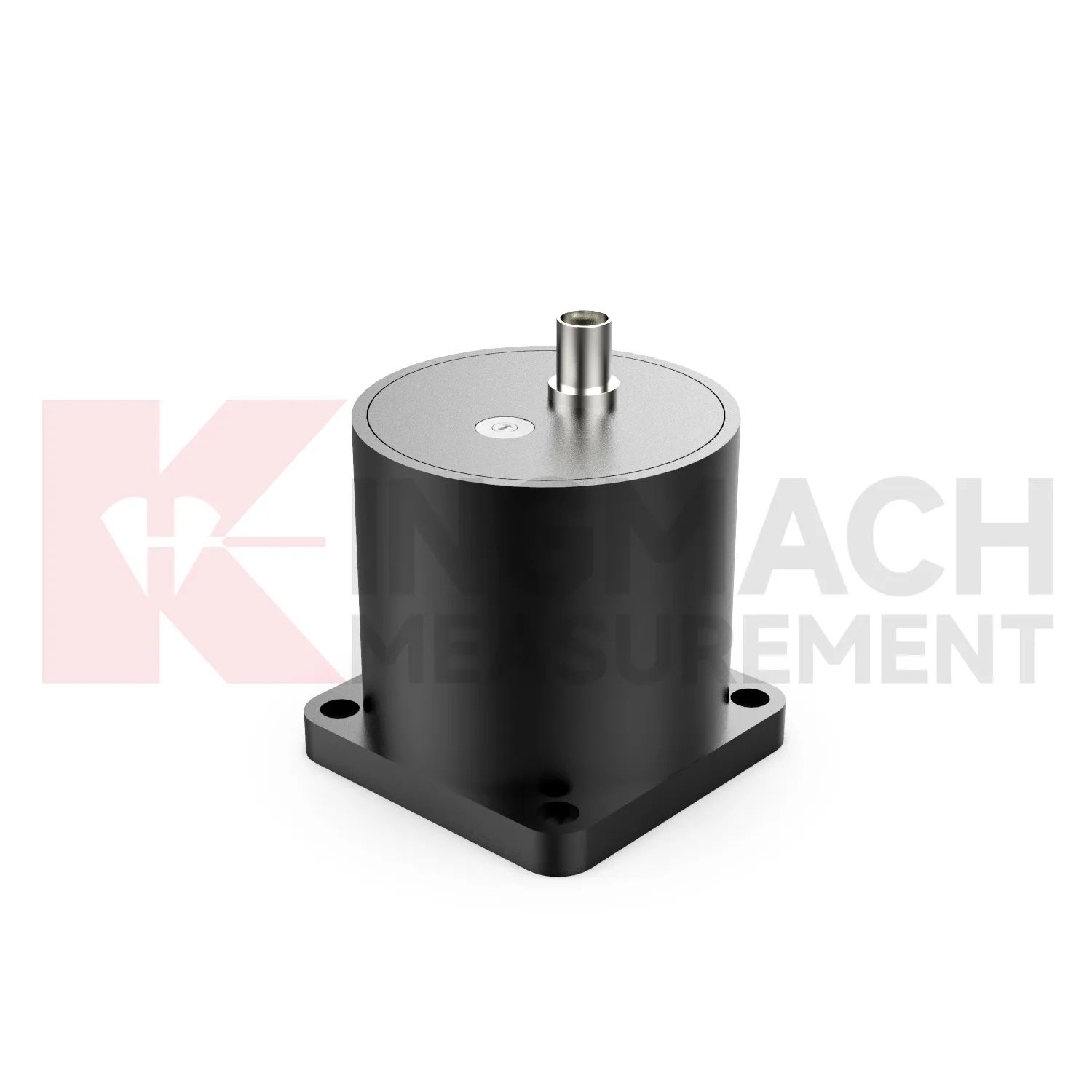
Vibration data tells you a lot about the health of a structure or ground condition. But getting that data right depends on the sensor you pick. Kingmach has been building vibration sensors for years, not as an afterthought, but as a core part of geotechnical monitoring. Our accelerometer vibration sensors come in different configurations—because a landslide monitor doesn't need the same range as a structural health sensor on a bridge. We work with you to match the sensor to the job, whether it's a one-off or part of a large network. The real challenge isn't finding a sensor, it's finding one that holds calibration month after month in high humidity or temperature swings. That's where a manufacturer with field know-how makes a difference. Kingmach's sensors are built with that in mind, using components that stand up to tough environments without drifting. And when you need tweaks—like a different cable length or output signal—we can usually handle it fast, because we control the production.
Technical Detail
Kingmach's accelerometer vibration sensors are designed for real-world monitoring challenges. We don't just sell a part number out of a catalog. Our range covers low-frequency tilt monitoring to higher-frequency machinery vibration, with options like IEPE or 4-20mA outputs. If standard ranges don't match your project, we can adjust damping, sensitivity, or mechanical enclosures. Our production team handles everything in-house, which means quicker lead times for custom orders. The sensors come with internal shielding to cut down EMI from power lines or industrial equipment—something that often gets overlooked until you see noisy data. Temperature compensation keeps readings stable through seasonal changes. All sensors go through a calibration against reference accelerometers before shipping, and we provide a test report. For global projects, we can arrange delivery from our distribution centers and offer remote setup support via video call. In the field, these sensors have been used on retaining walls, high-rise buildings, tailings dams, and machinery foundations. One customer replaced failing sensors on a bridge monitoring project with Kingmach units because they needed a drop-in fit with the same sensitivity as before but with better moisture resistance. We delivered that in three weeks. That's the kind of project-specific support a mid-tier manufacturer like Kingmach can provide—flexible, attentive, and technically competent without the overhead of a giant corporation.
News
Key Takeaways An alert chain needs more than a sensor: define field in...
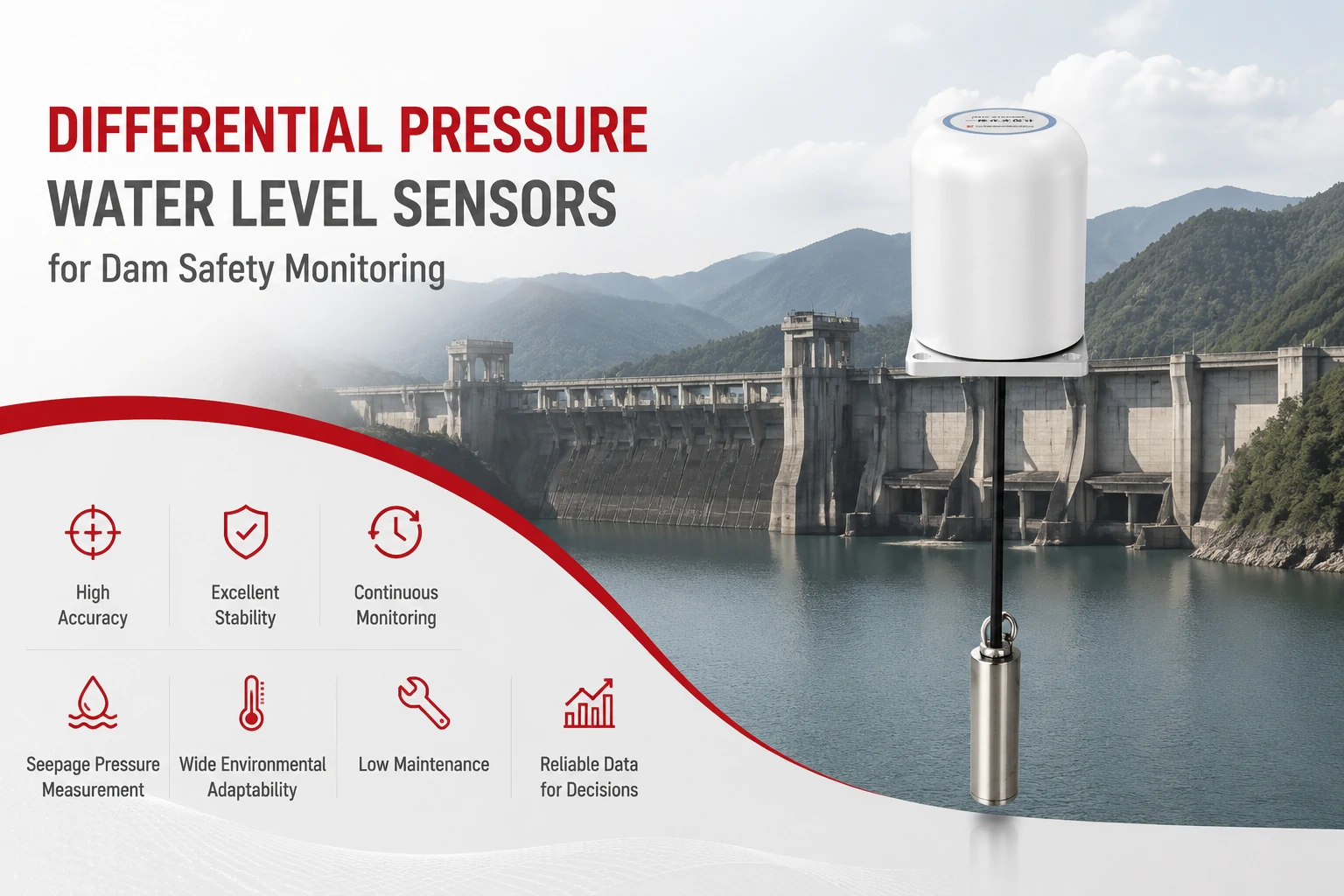
Key Takeaways The strongest fit is usually a confined, submerged, or s...
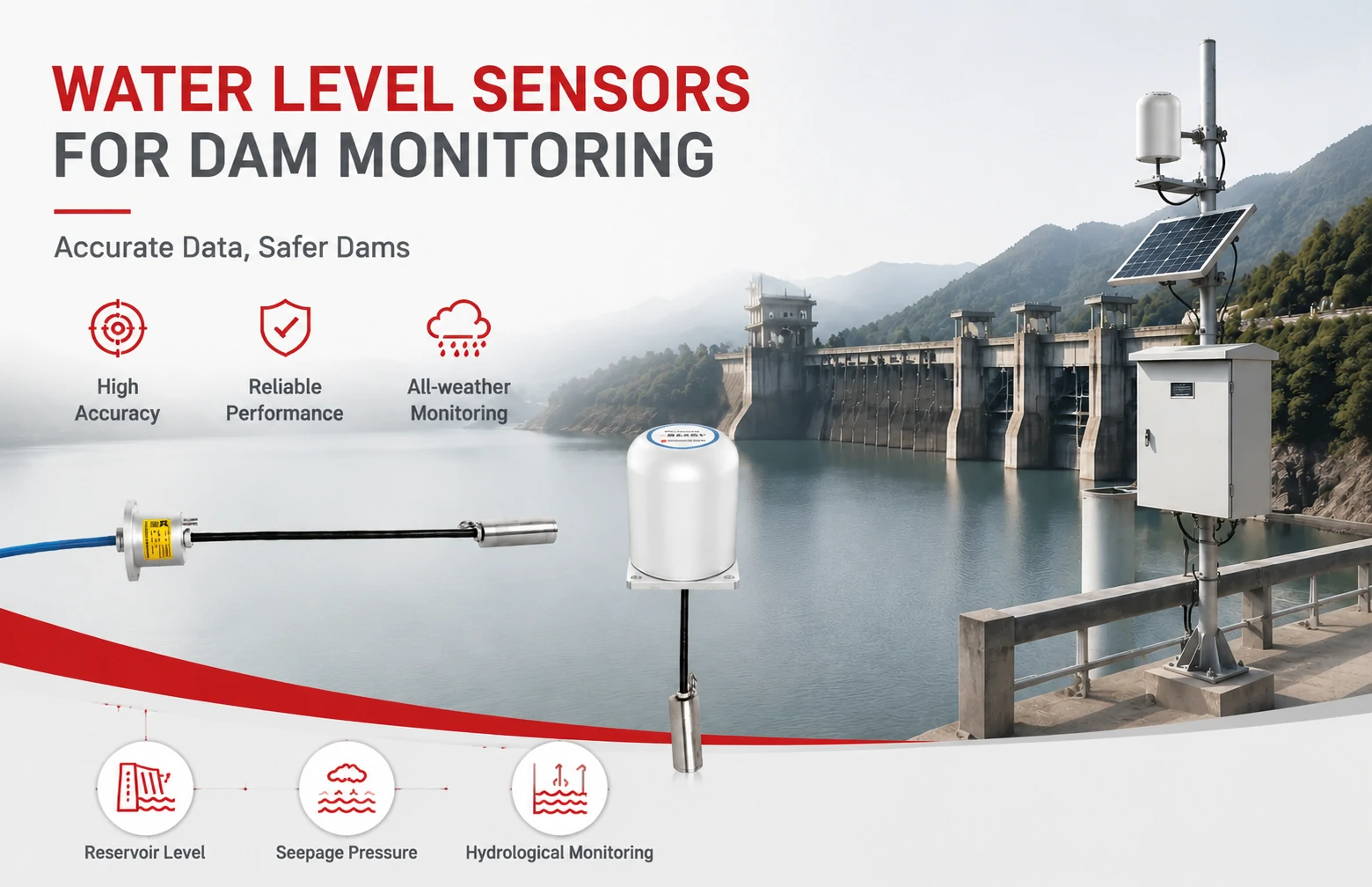
Kingmach Water Level Sensors for Dam Monitoring: A Buyer's Guide to Differential Pre...
Products
FAQ
It depends on your data acquisition setup. 4-20mA outputs travel long distances over simple cables and work well with PLCs or SCADA systems, common in industrial plants. IEPE (also called ICP) needs a constant current source but gives you wider dynamic range and higher frequency response, often preferred for dynamic monitoring with data loggers. If your project already has a logger, check its input specs. If you're starting fresh, tell our support team your monitoring goal and cable run distances—they'll suggest the cleaner path.
Yes, we frequently do. Because we manufacture in-house, we can supply custom cable lengths, connector types, or even mount designs to fit tight spots. Just send a sketch or photo of the installation point and we'll quote a non-standard version. There's usually no extra engineering fee for simple changes.
If it's a standard model from our production schedule, we typically ship within two weeks. Custom configurations might add a week. For large batches, we'll give you a realistic upfront timeline based on our current production load. We're a mid-sized manufacturer, so we don't have the long queues you sometimes see with huge corporate vendors.
Absolutely. Our standard enclosures are sealed to IP67 or higher. The stainless steel body and epoxy potting inside protect against moisture and corrosion. We've had units running on exposed coastal structures for over three years without drift beyond specification. For extreme cold, specify a low-temperature cable jacket—we keep those in stock as an option.
Share your product type, target capacity, and application requirements. Our team can review the details and recommend a practical next step.
If you are interested in our products or want to become our partner.
Please leave your contact information, our team will contact you as soon as possible.
Mail: [email protected]
Contact Us: +8613808434127
Address: No. 188 Tongzipo West Rd, Changsha, Hunan, China