
 EN
EN
 ar
ar bg
bg hr
hr cs
cs da
da nl
nl fi
fi fr
fr de
de el
el hi
hi it
it ko
ko no
no pl
pl pt
pt ro
ro ru
ru es
es sv
sv tl
tl iw
iw id
id lv
lv lt
lt sr
sr sk
sk sl
sl uk
uk vi
vi et
et hu
hu th
th tr
tr fa
fa ms
ms hy
hy ka
ka ur
ur bn
bn mn
mn ta
ta kk
kk uz
uz ku
ku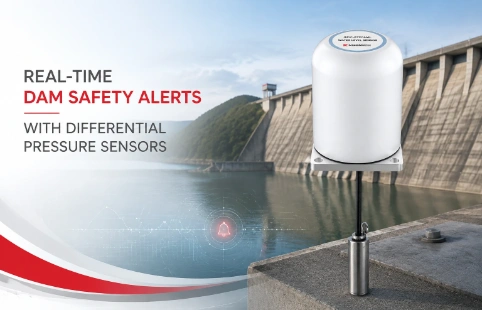
Real-Time Dam Safety Alerts with Differential Pressure Water Level Sensors
Key Takeaways An alert chain needs more than a sensor: define field in...

Piezoelectric Vibration Sensors That Adapt to Your Monitoring Demands
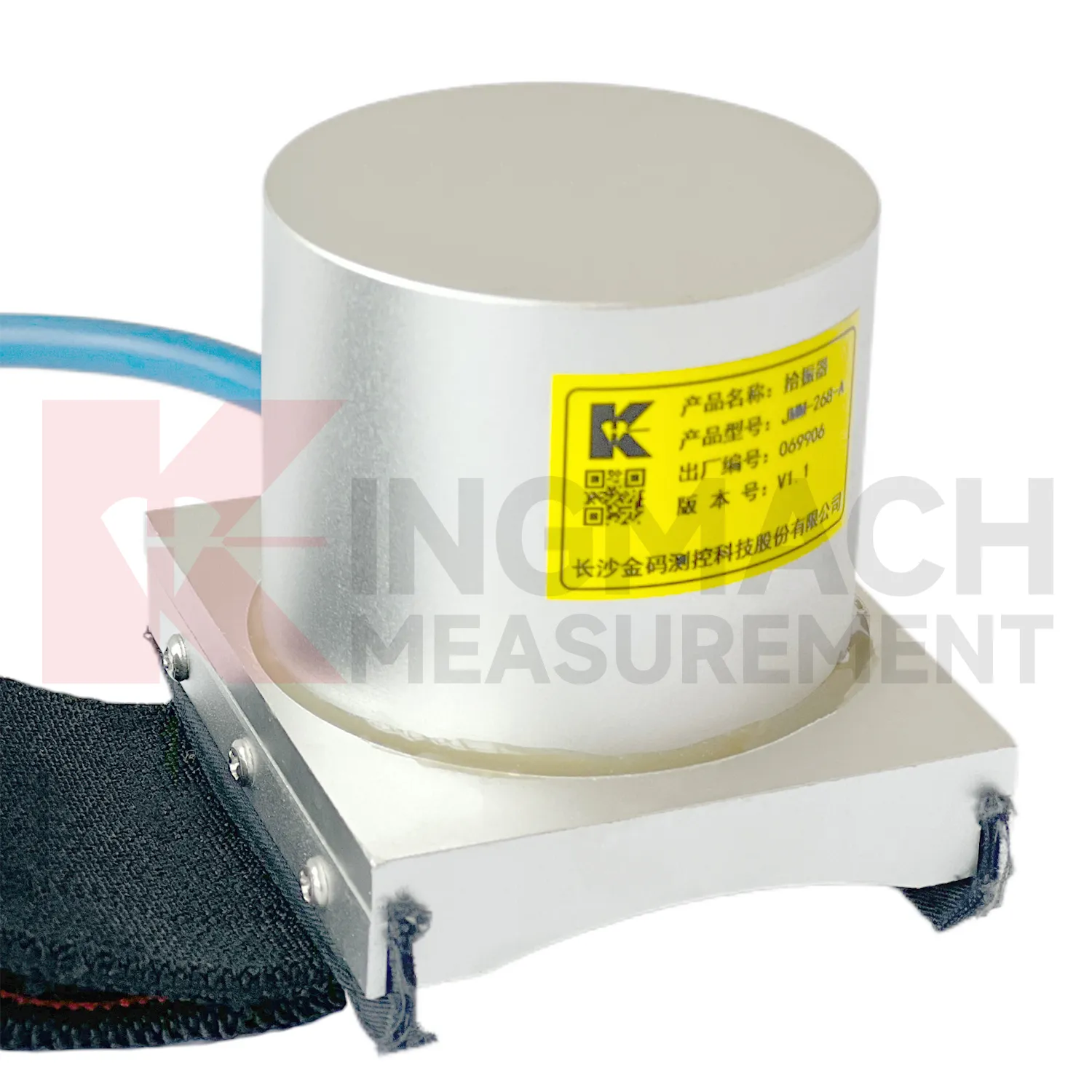
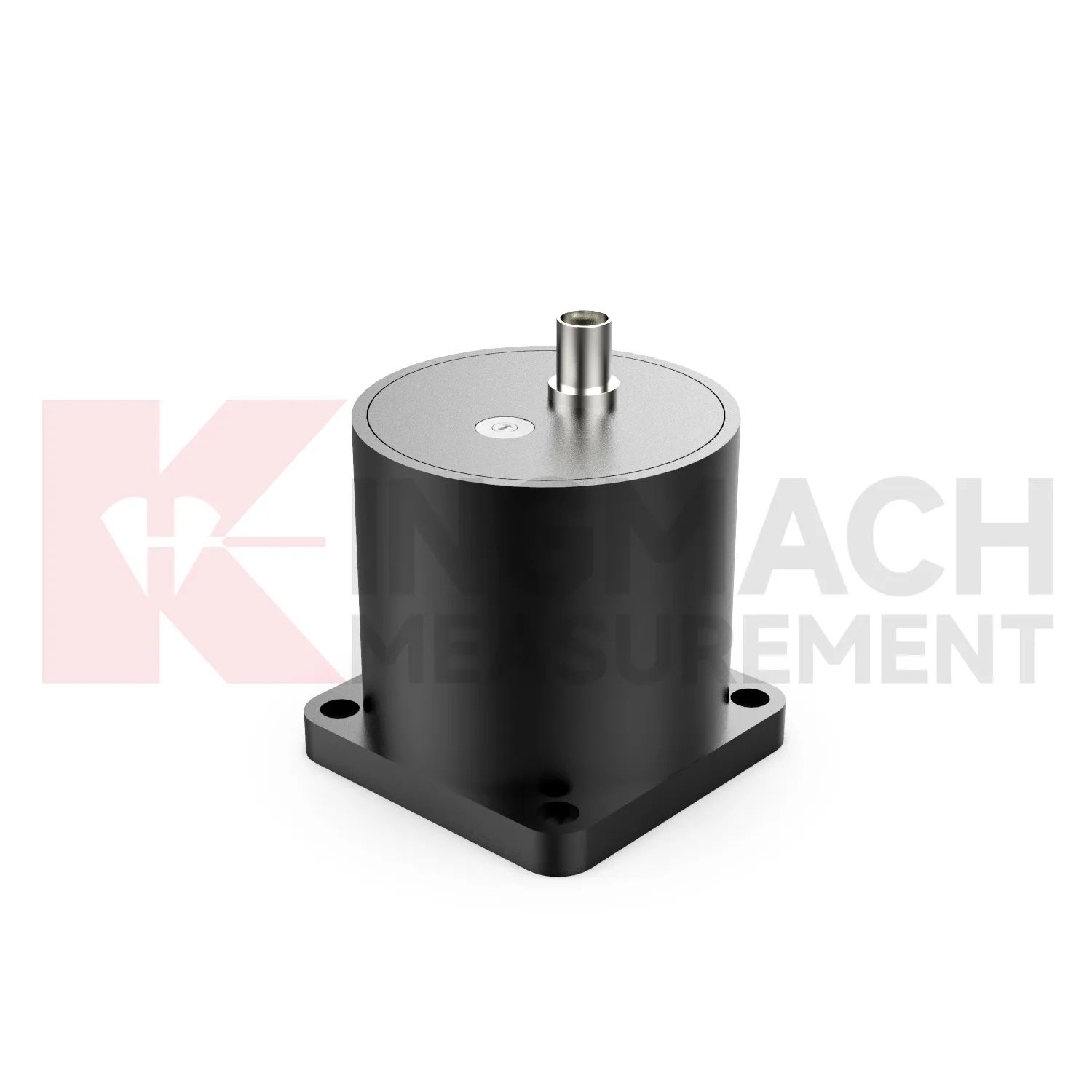
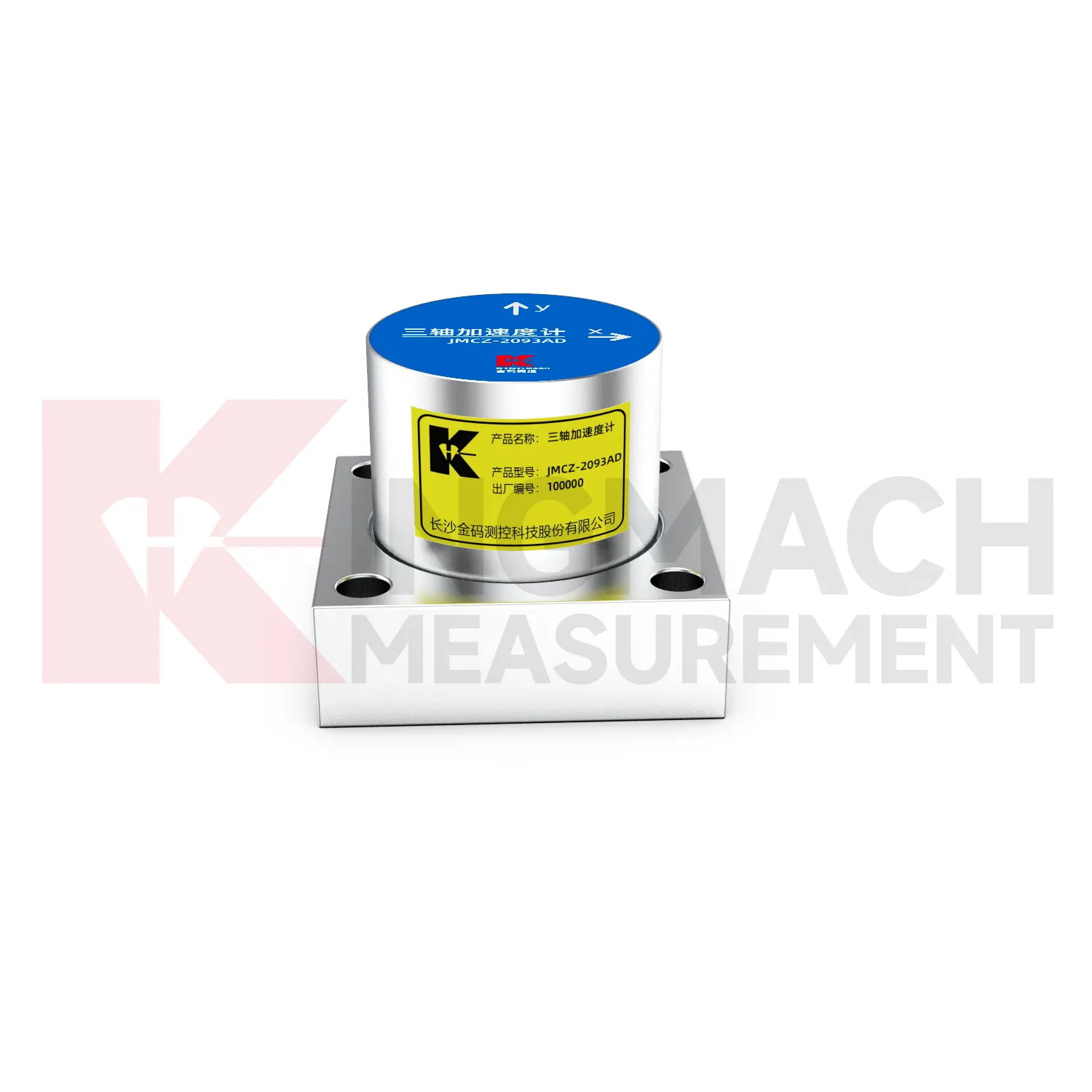
Most vibration monitoring hiccups don’t come from the sensor element itself—they trace back to how the sensor fits the real mounting surface, the cable routing, or the frequency band you actually need. Off-the-shelf piezoelectric vibration sensors often force compromises. Kingmach takes a different route: we build the sensor around your measurement point, not the other way around. Our range covers accelerometers, velocity sensors, and high-temperature units that work in geotechnical, structural, and heavy industrial environments. Instead of hunting through catalog pages, you get a spec tuned to your signal levels, connector preferences, and environmental ratings. With a global distribution network and direct engineering support, we shorten the time from requirement to installed data. If you’ve already wasted a morning clicking through datasheets that almost—but don’t quite—match, it’s worth a conversation.
Technical Detail
A piezoelectric vibration sensor turns mechanical strain into an electrical charge, and that simple principle makes it a workhorse for condition monitoring, modal analysis, and low-frequency geotechnical surveys. The performance hinges on several practical details: charge sensitivity, frequency response linearity, operating temperature range, and whether the sensor design isolates the element from base strain and thermal transients. Kingmach manufactures piezoelectric vibration sensors with compression-mode and shear-mode designs, each suited to different noise and temperature environments. Shear-mode elements typically deliver better isolation from mounting surface distortions, which matters when you’re measuring slow movements on concrete bridges or turbine housings. Compression-mode sensors offer higher charge output for a given size, useful in compact spaces where a lower noise floor is critical. We don’t force a single line of standard products. For long-term geotechnical monitoring, many projects require low-noise coaxial cables with integral charge converters, or top-entry connectors that survive pull forces in borehole deployments. On heavy rotating machinery, a side-exit armored cable and a stud-mount base often save hours of installation. Our engineers walk through the signal chain—from sensor element to data logger input—to recommend a configuration that keeps signal-to-noise ratio high and field failures low. Custom sensitivity calibration, specific low-frequency roll-off filters, and submersible housings are all part of the discussion. With inventory stocked across regional hubs and technical support teams responding within one business day, you can iterate the pilot setup quickly. Whether the job is vibration trending on a motor bearing or seismic monitoring next to a excavation, the sensor package is designed to earn its place in your data architecture.
News
Key Takeaways An alert chain needs more than a sensor: define field in...
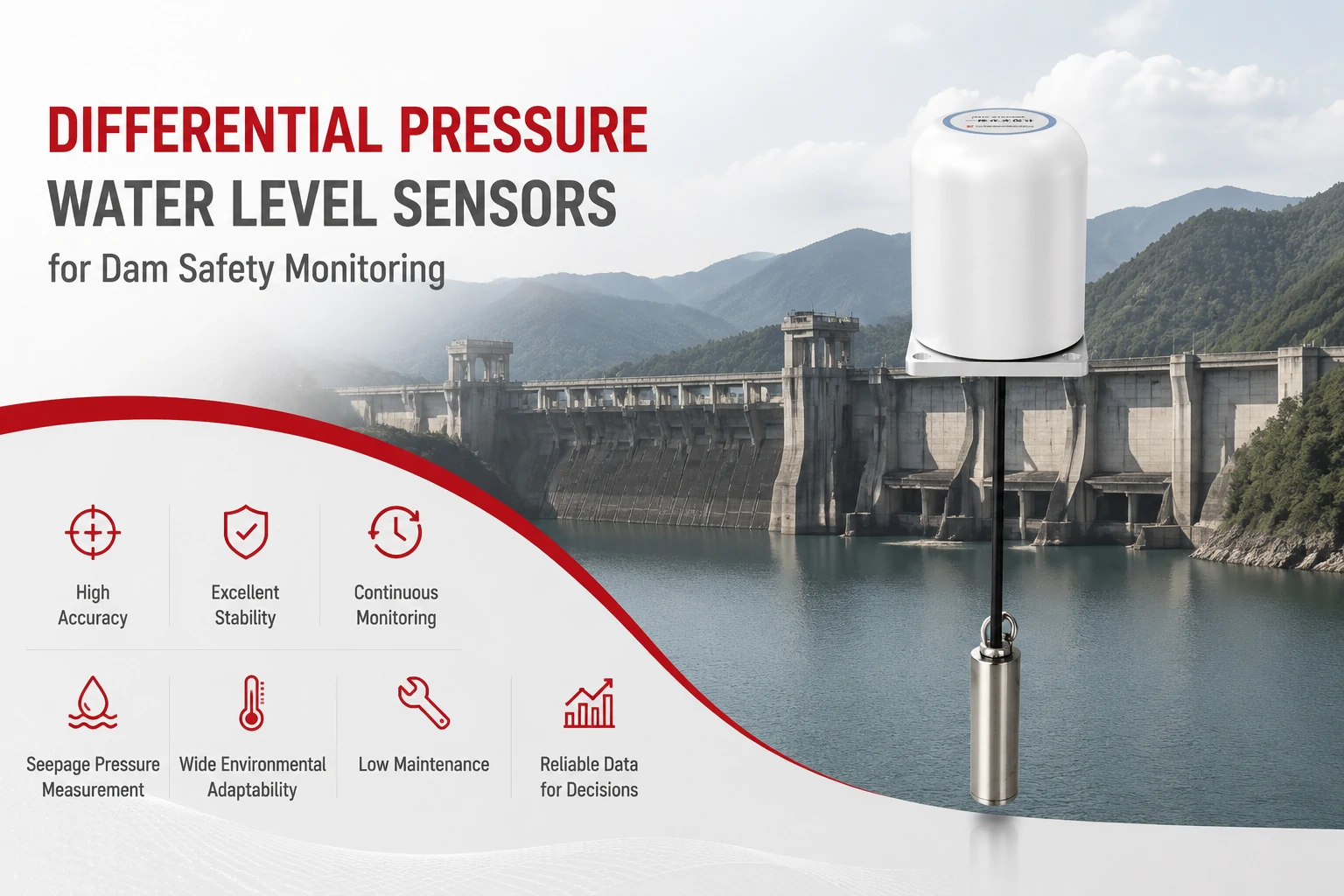
Key Takeaways The strongest fit is usually a confined, submerged, or s...
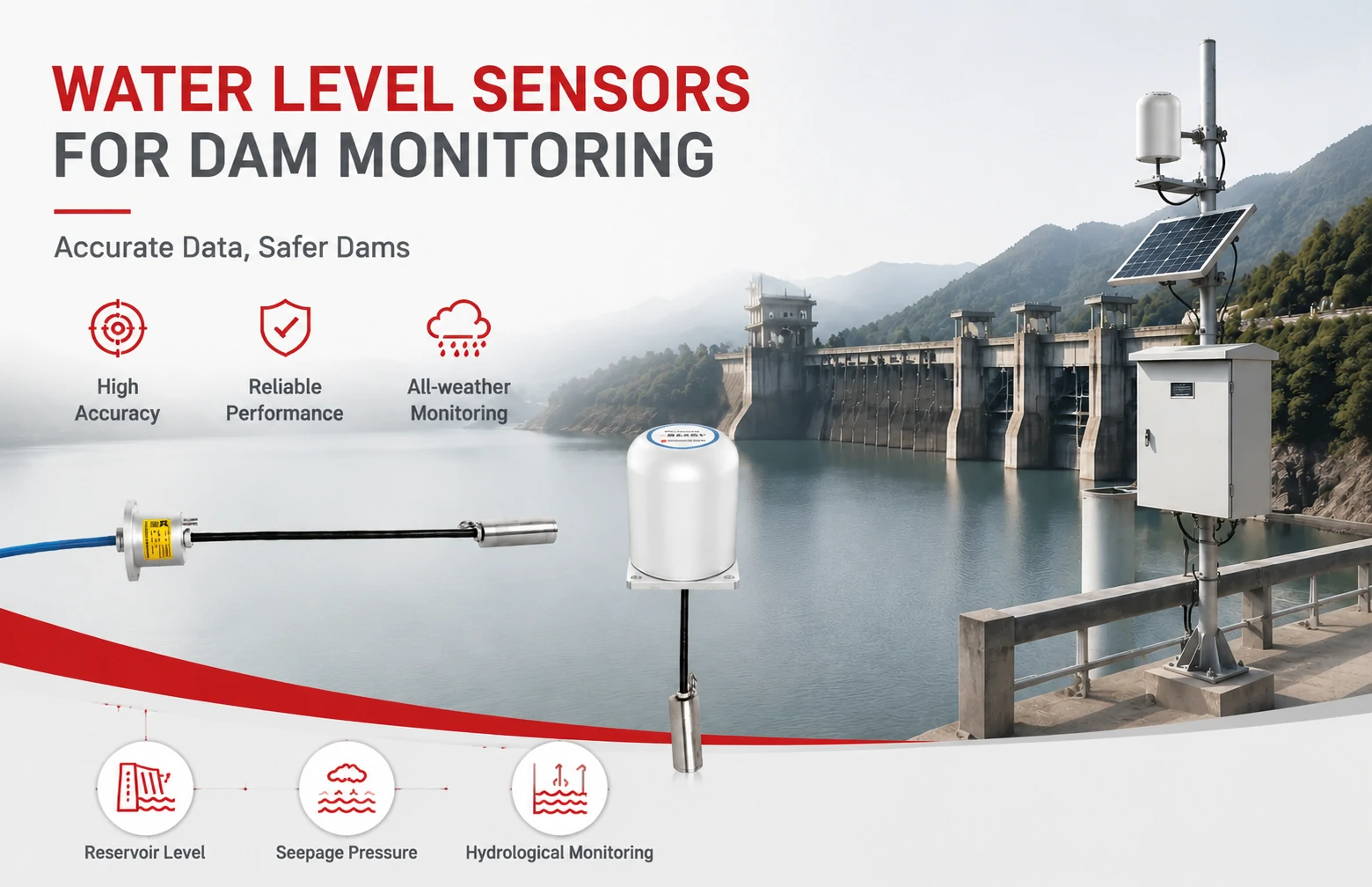
Kingmach Water Level Sensors for Dam Monitoring: A Buyer's Guide to Differential Pre...
Products
FAQ
The decision usually comes down to bandwidth and power. Piezoelectric sensors handle frequencies from fractions of a hertz up to several kilohertz and run without external power—the crystal generates the signal. MEMS sensors often cover DC to a few hundred hertz and need a power supply but can be smaller and cheaper for high-volume, moderate-bandwidth uses. If you need to catch high-frequency bearing tones or have long cable runs without amplification, a piezoelectric vibration sensor is typically the better starting point.
Yes, we offer intrinsically safe and flameproof configurations. The main concerns are the connector seal, charge converter potting, and the housing certification. Our engineering team specifies the assembly to meet the zone classification of your site, and we coordinate with the certifying body to keep your documentation on track. We’ve done this for petrochemical pump monitoring and underground mining air-quality stations.
Sensitivity depends on the crystal material and mass loading, but most projects fall between 10 mV/g and 500 mV/g for IEPE accelerometers, or 10 pC/g to 100 pC/g for charge-mode sensors. We adjust the sensor’s seismic mass and preload to match your expected g-range. For very low-level seismic measurements, we often recommend a high-sensitivity charge-mode sensor with a remote charge amplifier to avoid cable capacitance issues.
After you define the mechanical interface, connector type, cable length, and environmental seals, our typical lead time is about four to six weeks for the first article, including calibration against a reference standard. Quick-turn prototypes can ship in as little as two weeks if we have the key components in stock. We keep common shear-mode element assemblies on hand to speed that up.
Share your product type, target capacity, and application requirements. Our team can review the details and recommend a practical next step.
If you are interested in our products or want to become our partner.
Please leave your contact information, our team will contact you as soon as possible.
Mail: [email protected]
Contact Us: +8613808434127
Address: No. 188 Tongzipo West Rd, Changsha, Hunan, China