
 EN
EN
 ar
ar bg
bg hr
hr cs
cs da
da nl
nl fi
fi fr
fr de
de el
el hi
hi it
it ko
ko no
no pl
pl pt
pt ro
ro ru
ru es
es sv
sv tl
tl iw
iw id
id lv
lv lt
lt sr
sr sk
sk sl
sl uk
uk vi
vi et
et hu
hu th
th tr
tr fa
fa ms
ms hy
hy ka
ka ur
ur bn
bn mn
mn ta
ta kk
kk uz
uz ku
ku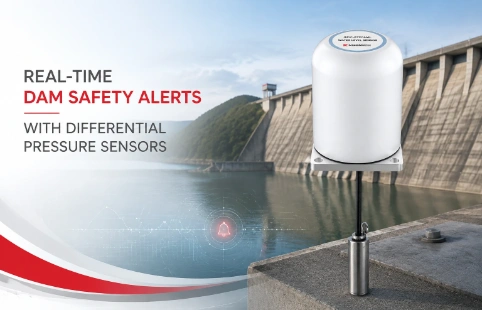
Real-Time Dam Safety Alerts with Differential Pressure Water Level Sensors
Key Takeaways An alert chain needs more than a sensor: define field in...

Settlement Gauge: Dependable Monitoring for Ground Movement
Settlement readings tend to drift if you don’t keep an eye on reference stability. On sites with soft soils or deep fills, even a few millimeters of unexpected movement can stall a project. Kingmach builds settlement gauges for exactly this—tracking vertical displacement without overcomplicating field setup. The probes use vibrating wire or digital sensing, and they hold zero well under temperature swings that throw off simpler instruments. That means fewer repeat calibrations mid-project. Most geotechnical firms we work with run these in boreholes, under embankments, or next to foundation elements. Setup is straightforward: install the gauge, connect to a readout or logger, and you’re getting useable data. If the site has unusual access or installation constraints, custom configurations can be worked out.
Technical Detail
Kingmach’s settlement gauges are designed for long-term pore pressure and settlement monitoring in soils and rock. The key components—a sensor element and a liquid-filled tube system—are arranged so that the gauge references a stable datum away from the deforming zone. This approach is common for measuring settlement under embankments, behind retaining walls, or around deep excavations. The sensor is typically a high-resolution vibrating wire unit with built-in temperature compensation. This combination helps reduce thermal effects on readings, which matters when monitoring spans years rather than months. Accuracy depends on installation quality and site conditions; typical systems achieve sub-millimeter resolution under steady temperatures. The gauge housing is stainless steel, and the sensor is protected against moisture ingress—practical details that extend field life in wet boreholes. From a project logistics point of view, Kingmach offers settlement gauges in a standard range of measurement lengths and can produce custom lengths on request. The data output is compatible with most dataloggers that accept vibrating wire signals, so no proprietary readout is forced. Over the years, we have supplied these instruments to dam safety programs, high-speed rail construction, and metro tunnel projects across several continents. Each shipment includes calibration records, and we can arrange technical support for installation training either remotely or on-site. Routine maintenance mostly involves checking the liquid levels in the reference system, and replacement parts are kept in stock.
News
Key Takeaways An alert chain needs more than a sensor: define field in...
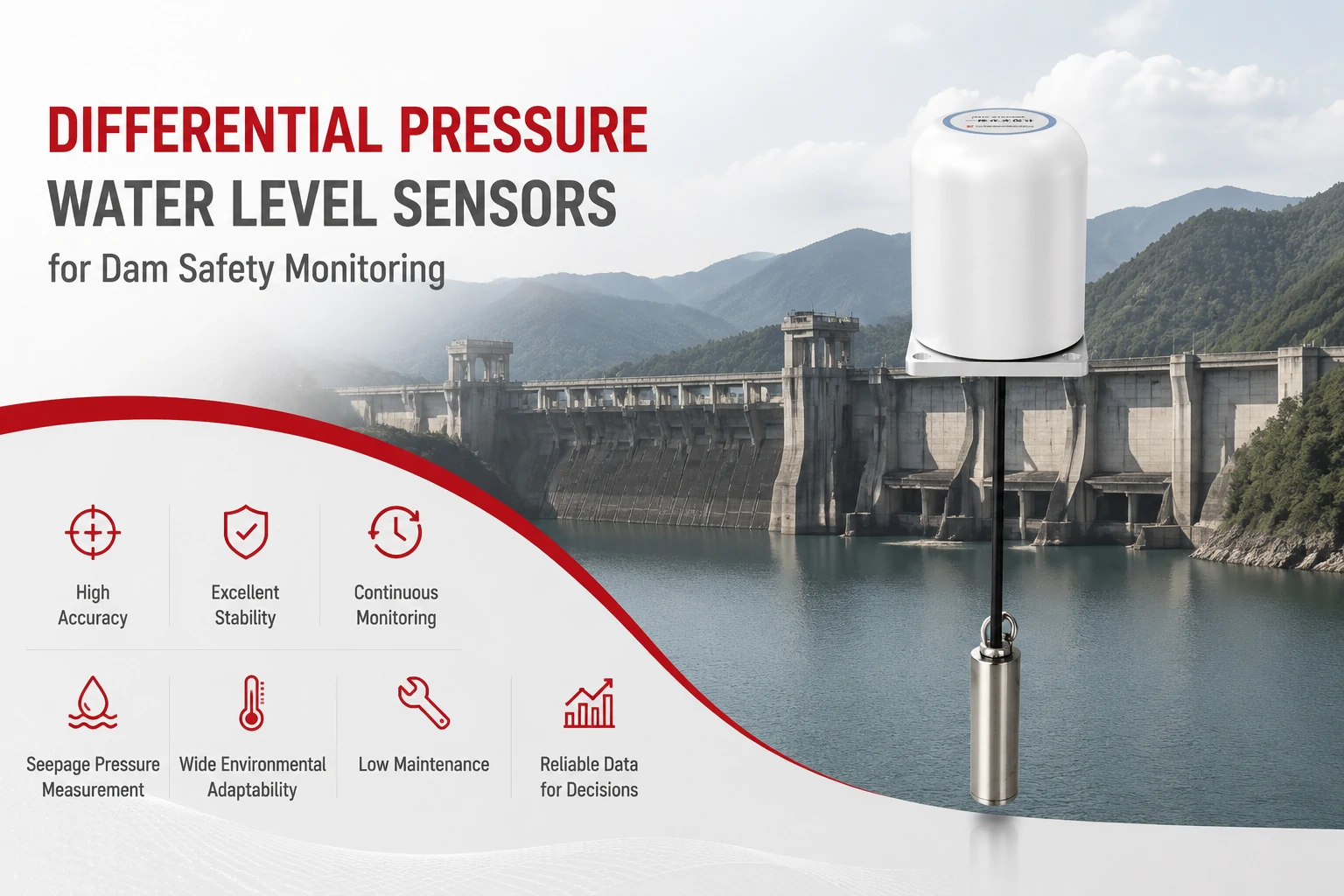
Key Takeaways The strongest fit is usually a confined, submerged, or s...
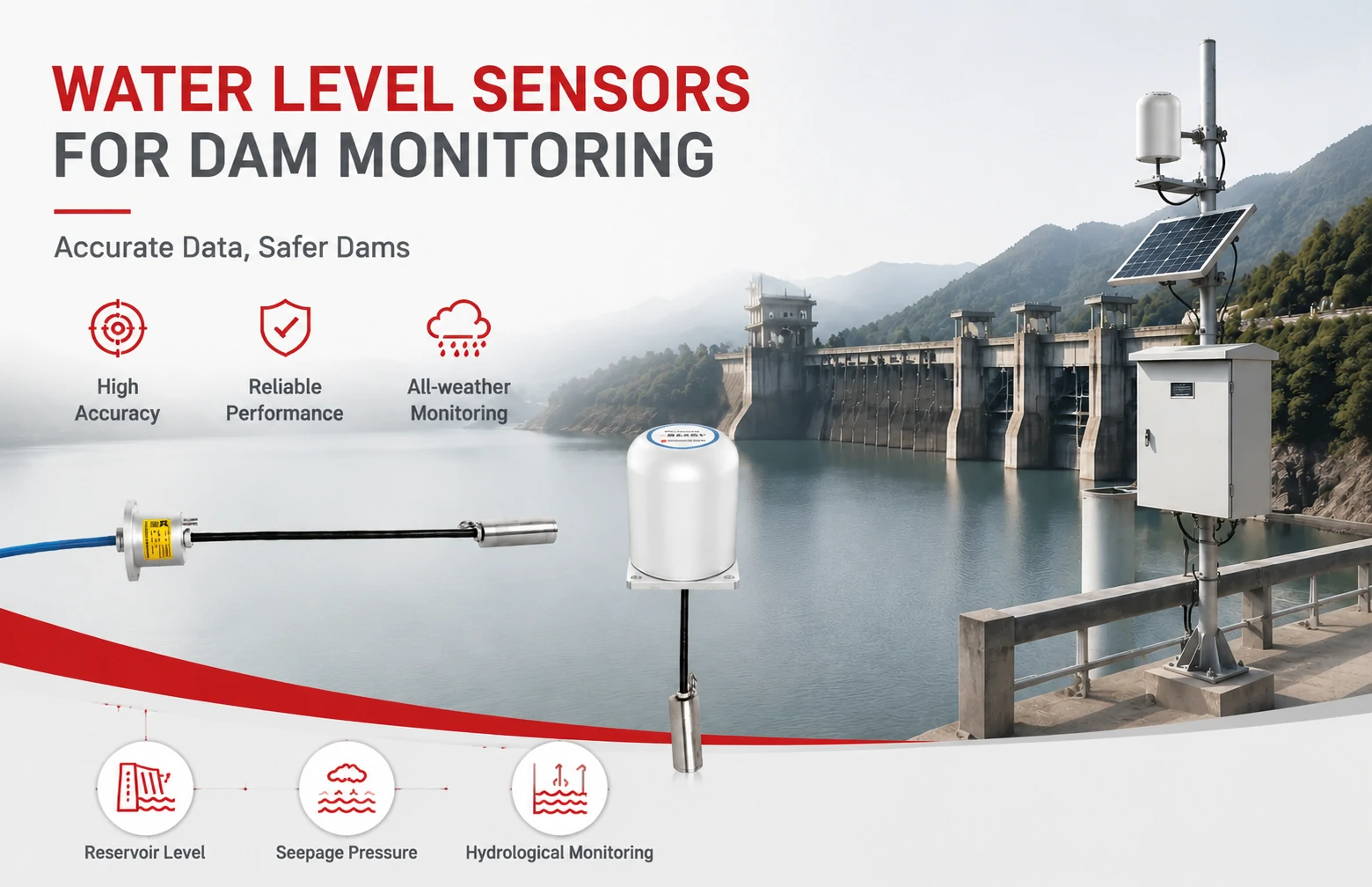
Kingmach Water Level Sensors for Dam Monitoring: A Buyer's Guide to Differential Pre...
Products
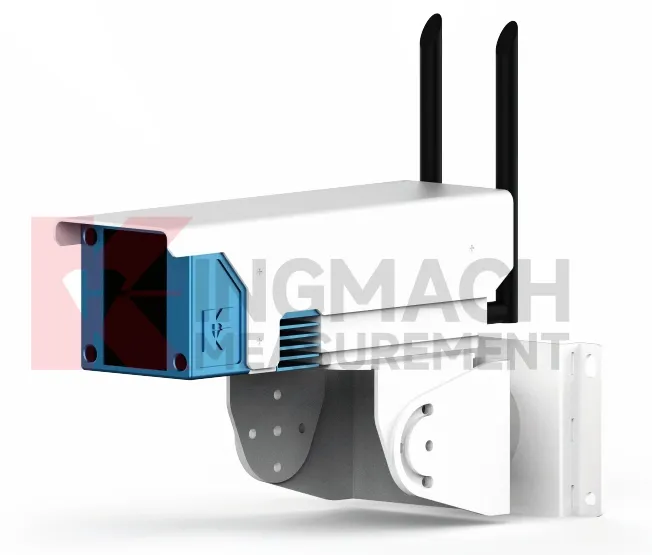
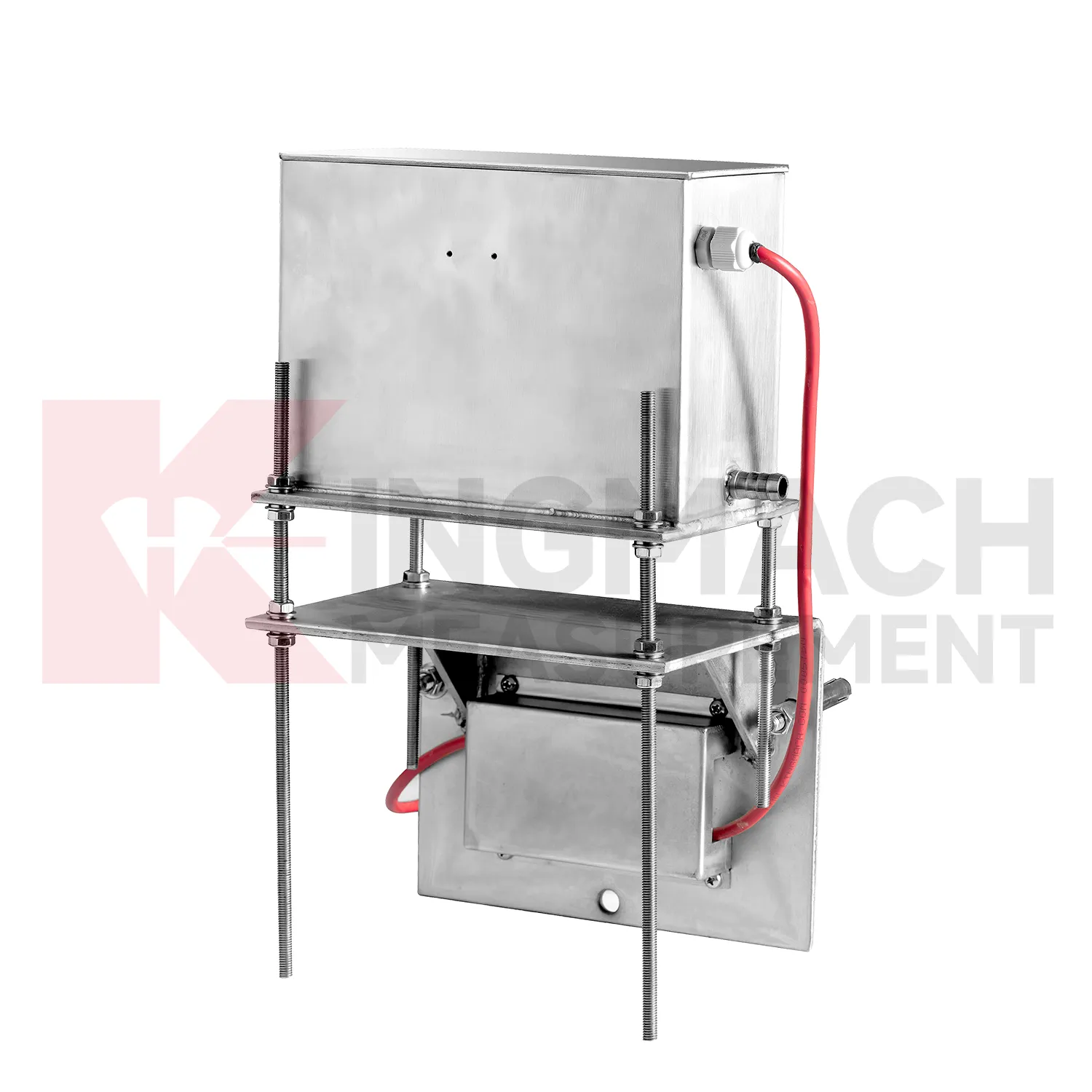
Micro Range Hydrostatic Level Sensor JMQJ-62XXADT
View Details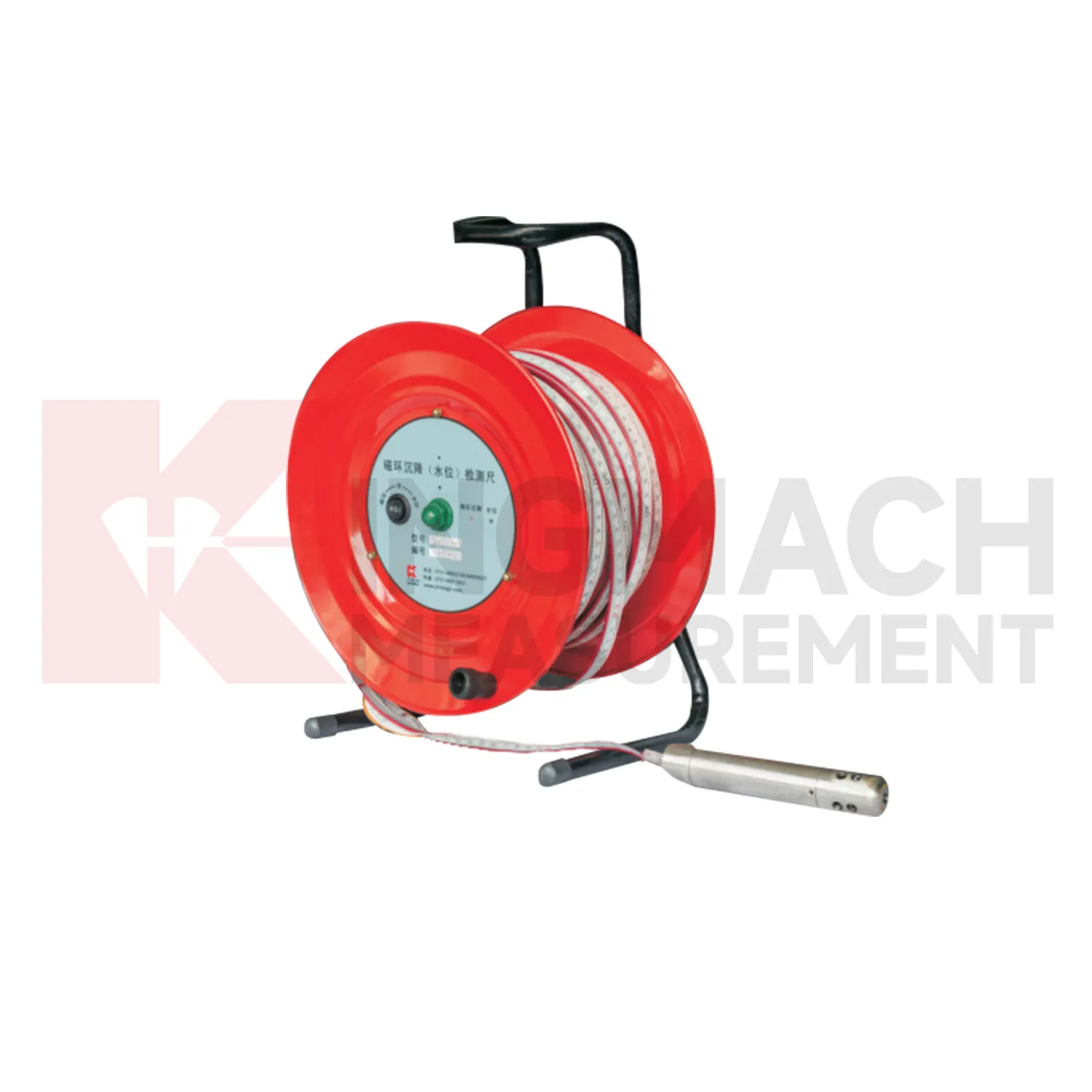
Magnetic Ring Settlement Water Level Gauge JMCJ-1003、1005
View DetailsFAQ
The installation depth is limited by the reference tube length. We supply standard lengths up to 50 meters; longer custom versions can be made after reviewing site geometry. The borehole depth needs to go a few meters past the expected settlement zone so the anchor stays put.
Most users see repeatability around ±0.1% of full scale under stable temperature. Real-world accuracy also depends on proper grouting and anchor settlement. We include detailed installation notes to help minimize setup errors.
The vibrating wire sensor outputs a frequency signal, which any logger with a vibrating wire channel can read. No special interface is required. If you need help matching it to your existing logger, our support team can check the input specs.
The reference is a liquid-filled tube connected to a reservoir at the surface. The reservoir needs periodic topping up and the system should be checked for bubbles. Basic maintenance every few months is usually enough.
Each gauge comes with a factory calibration sheet. In most cases, you can rely on it directly. For critical projects, we recommend a quick field check before installation using a known height reference.
Share your product type, target capacity, and application requirements. Our team can review the details and recommend a practical next step.
If you are interested in our products or want to become our partner.
Please leave your contact information, our team will contact you as soon as possible.
Mail: [email protected]
Contact Us: +8613808434127
Address: No. 188 Tongzipo West Rd, Changsha, Hunan, China