
 EN
EN
 ar
ar bg
bg hr
hr cs
cs da
da nl
nl fi
fi fr
fr de
de el
el hi
hi it
it ko
ko no
no pl
pl pt
pt ro
ro ru
ru es
es sv
sv tl
tl iw
iw id
id lv
lv lt
lt sr
sr sk
sk sl
sl uk
uk vi
vi et
et hu
hu th
th tr
tr fa
fa ms
ms hy
hy ka
ka ur
ur bn
bn mn
mn ta
ta kk
kk uz
uz ku
ku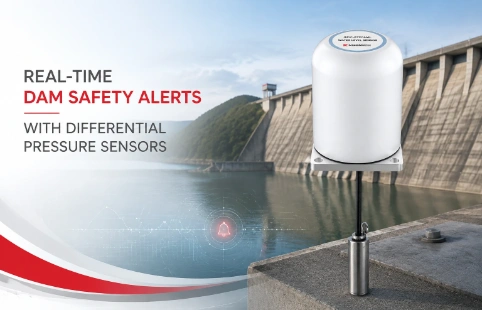
Real-Time Dam Safety Alerts with Differential Pressure Water Level Sensors
Key Takeaways An alert chain needs more than a sensor: define field in...

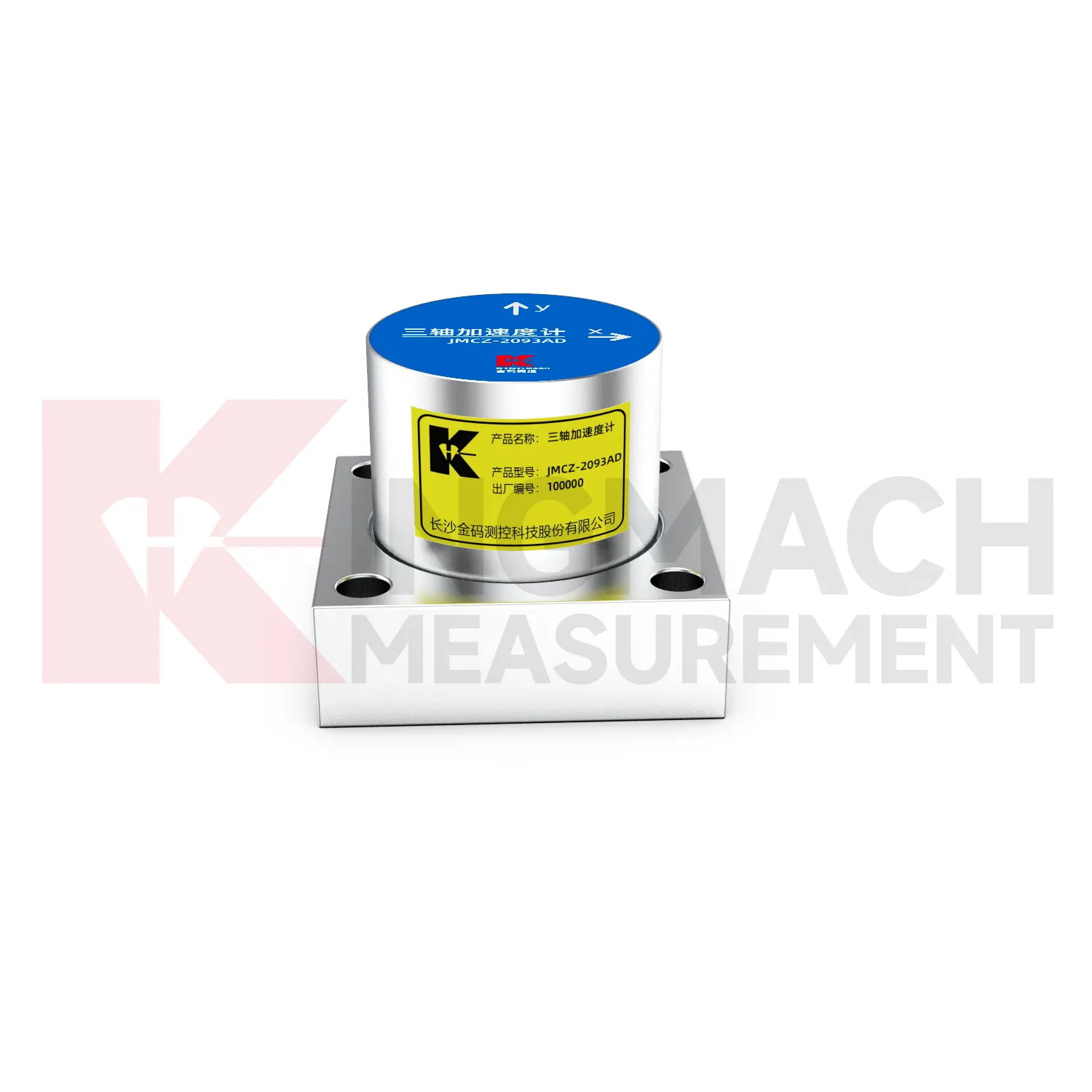
Single Axis Accelerometer That Fits Into Your Monitoring Plan
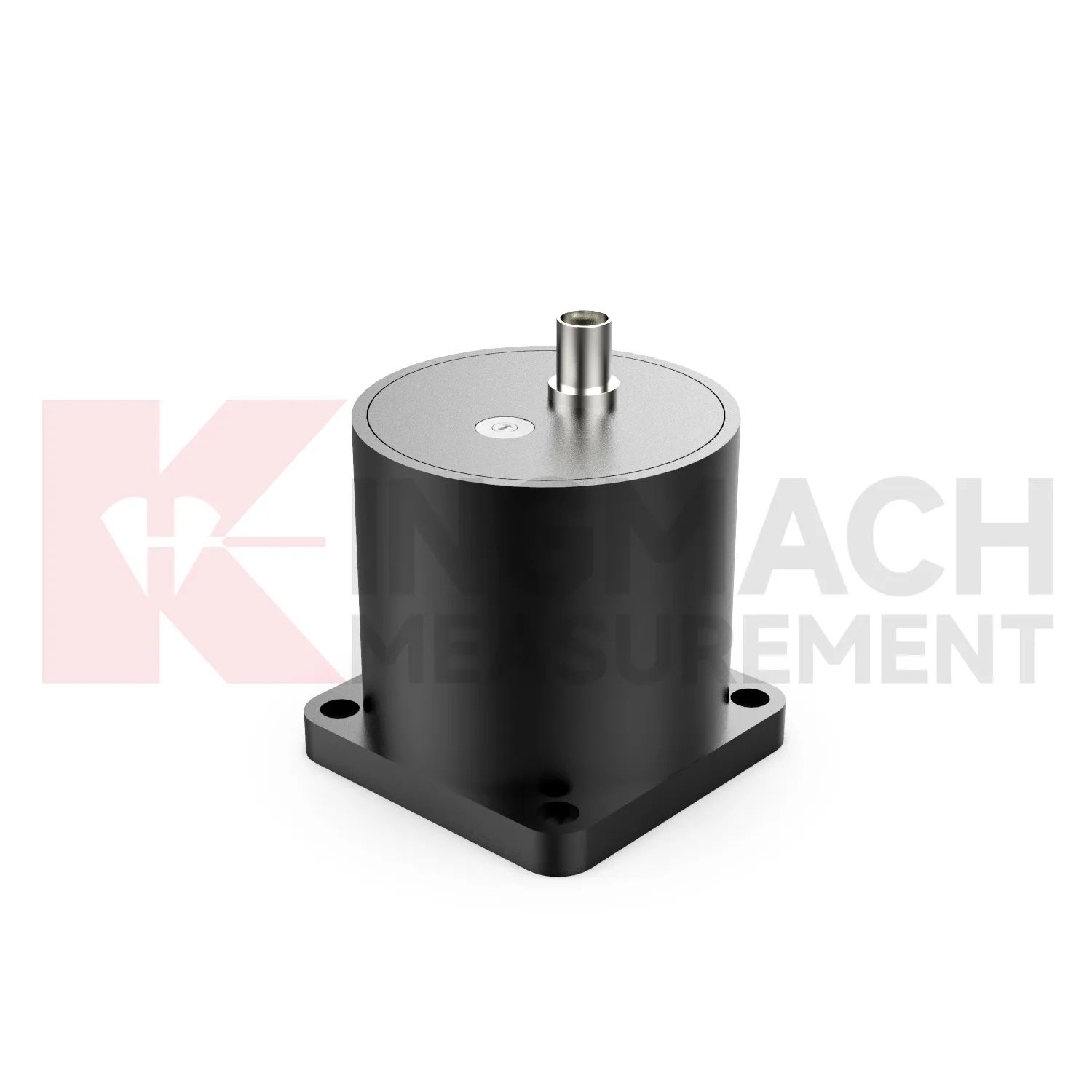
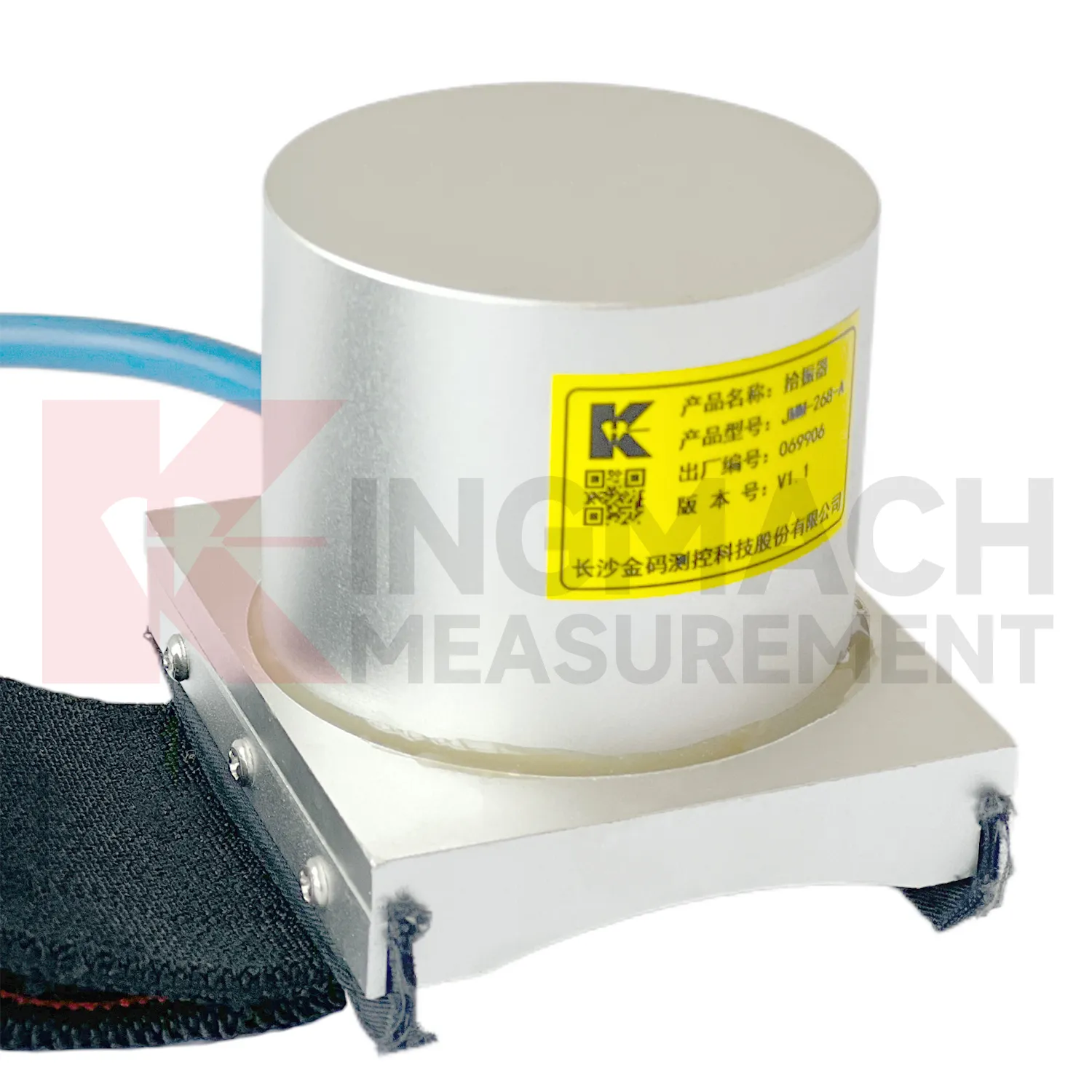
A construction crew in Malaysia needed to track vibrations inside an aging dam spillway. Space was tight, and a triaxial setup wouldn't fit. They used a compact single axis accelerometer from Kingmach to measure downstream vibration amplitude directly, avoiding costly redesigns. That's the reality on most job sites—simplicity often beats complexity. A single axis device isn't a downgrade; it's a deliberate choice when you only need one critical direction, when the math works out, or when the budget needs breathing room. Kingmach has been shipping these sensors to geotechnical and structural monitoring projects for years. They're built to survive dusty tunnels, wet slopes, and the occasional knock. This page walks through what makes our version practical for everyday monitoring work—no filler, just the details that matter when you're at the planning stage.
Technical Detail
Why reach for a single axis accelerometer instead of a three-axis unit? The short answer: because sometimes you only care about vibration in one plane. In a retaining wall, you measure tilt-induced acceleration perpendicular to the face. On a suspension cable, you track vertical motion. Any extra measuring axes would create data you don't need and physically complicate installation. Kingmach recognizes this and keeps the design focused. Each accelerometer uses a robust MEMS sensing element housed in stainless steel, with cable options that can extend 100 meters without losing signal integrity. Field teams appreciate the built-in surge protection, because lightning near remote monitoring stations is never a surprise. The standard output is a simple 0-5V or 4-20mA signal, easily ingested by most dataloggers. Some projects require specific frequency ranges or mounting brackets. Kingmach's engineers often adjust the bandwidth or provide custom connector pinouts within two weeks. That flexibility comes from maintaining a full assembly line in-house and keeping common components on the shelf. Worldwide logistics are handled through regional distributors who understand local customs and speak the language. If a sensor gets flooded, the support team can typically diagnose issues via remote screenshots and send replacement parts from the nearest hub. Having a single point of contact for calibration, repairs, and technical questions keeps monitoring schedules from slipping. Whether it's monitoring earth dams in Brazil or high-speed rail tracks in Turkey, the measurement chain starts with a sensor that fits the actual physical constraints.
News
Key Takeaways An alert chain needs more than a sensor: define field in...
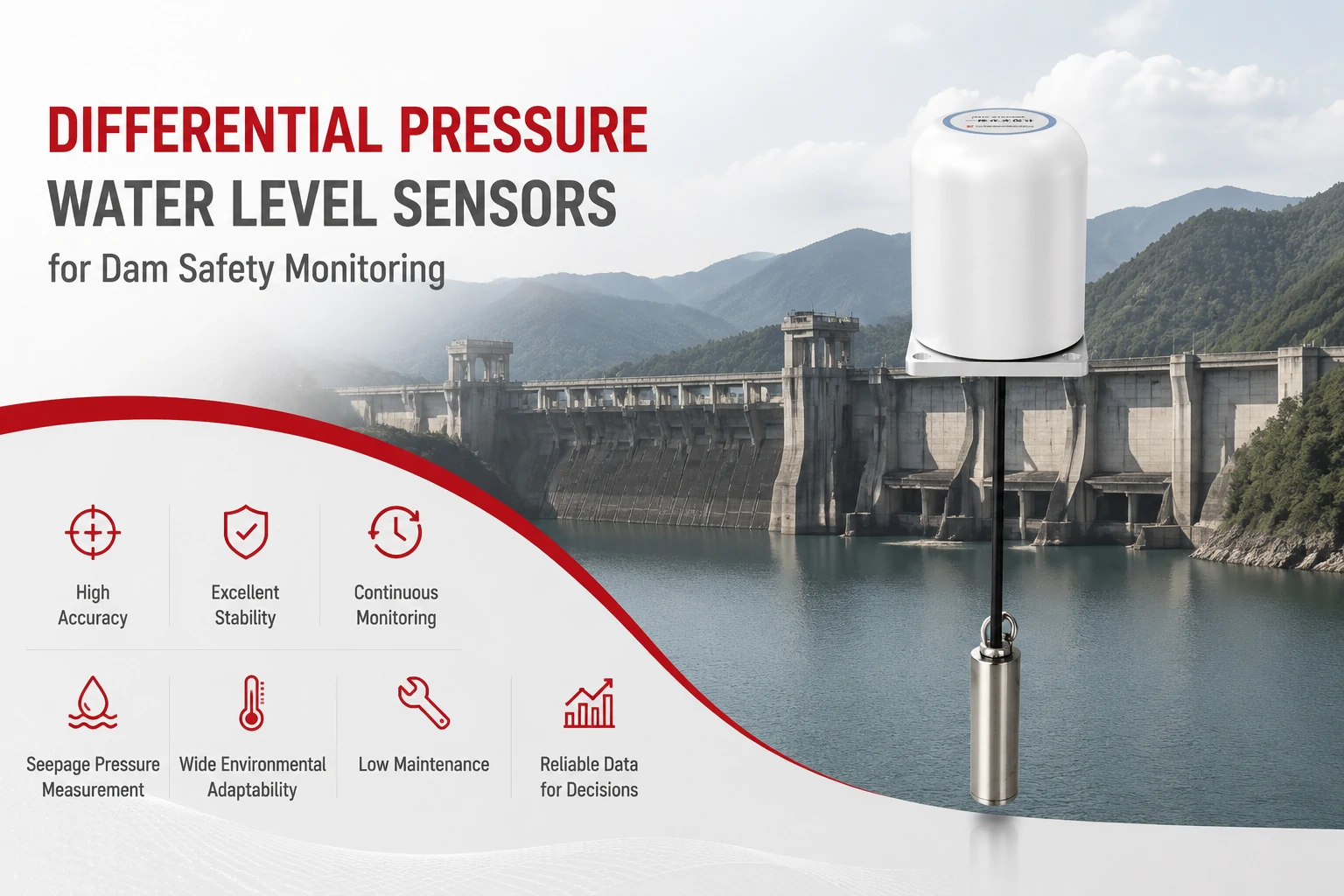
Key Takeaways The strongest fit is usually a confined, submerged, or s...
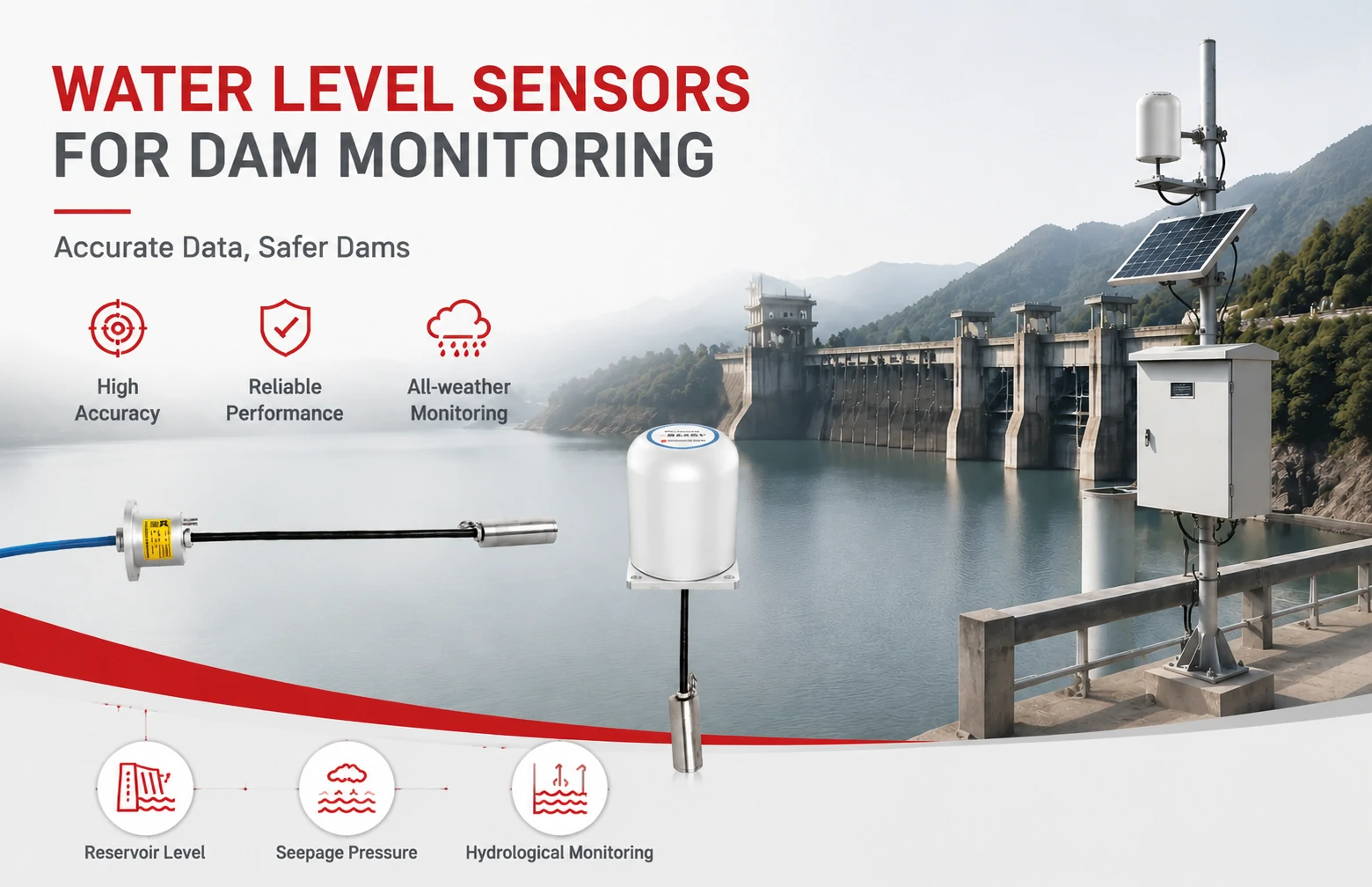
Kingmach Water Level Sensors for Dam Monitoring: A Buyer's Guide to Differential Pre...
Products
FAQ
A single axis accelerometer measures vibration along one direction only. This works well when movement predominantly occurs in a known plane—say, a bridge pier moving horizontally. A triaxial version would add two extra sensing directions, which often means a larger housing and more cabling. On a crowded pier, that extra bulk can impede installation. On the data side, you avoid collecting irrelevant signals that just fill up storage. Some customers start with a single axis unit and later add axes if they spot unexpected cross-motion; the modular approach can save upfront costs without locking out future upgrades.
Most landslides move downhill in a dominant direction. If you position a single axis accelerometer parallel to that expected movement vector, you can capture the critical acceleration values. Geotechnical engineers usually model the slope before installation and define which axis matters. The sensor doesn't need to measure perpendicular motion if those forces aren't part of the failure mechanism. Kingmach routinely works with consultants to review site plans and confirm the chosen orientation, so you aren't left guessing.
The standard housing is IP67 rated, which handles temporary submersion and heavy rain with no issues. For always-submerged applications like inside a stilling basin, we can add a double O-ring seal and a pressure compensation bladder. You need to mention this during ordering, because the cable gland must be specially treated to withstand continuous water pressure. Field technicians commonly install these in monitoring wells where humidity stays near 100%, and we haven't seen a moisture-related failure in the past five years of reports.
Almost any industrial logger or remote terminal unit with a current loop input will read it. The 4-20mA signal is widely used because it resists electromagnetic interference over long cable runs. If you already use a Campbell Scientific, RST, or Geokon logger, the integration is straightforward—just configure the channel for current input and apply the calibration sheet we provide. The offset (4mA) also helps detect cable breaks, because the signal drops to 0mA when the line is cut, triggering an alert.
Share your product type, target capacity, and application requirements. Our team can review the details and recommend a practical next step.
If you are interested in our products or want to become our partner.
Please leave your contact information, our team will contact you as soon as possible.
Mail: [email protected]
Contact Us: +8613808434127
Address: No. 188 Tongzipo West Rd, Changsha, Hunan, China