
 EN
EN
 ar
ar bg
bg hr
hr cs
cs da
da nl
nl fi
fi fr
fr de
de el
el hi
hi it
it ko
ko no
no pl
pl pt
pt ro
ro ru
ru es
es sv
sv tl
tl iw
iw id
id lv
lv lt
lt sr
sr sk
sk sl
sl uk
uk vi
vi et
et hu
hu th
th tr
tr fa
fa ms
ms hy
hy ka
ka ur
ur bn
bn mn
mn ta
ta kk
kk uz
uz ku
ku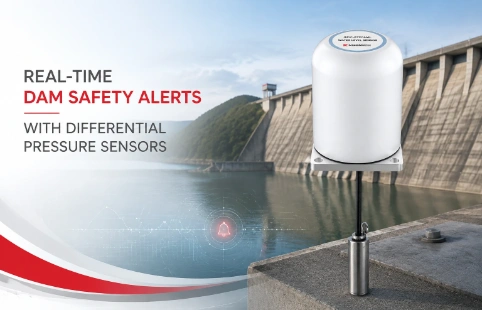
Real-Time Dam Safety Alerts with Differential Pressure Water Level Sensors
Key Takeaways An alert chain needs more than a sensor: define field in...

Vibrating Wire Sensors: Precise Geotechnical Monitoring
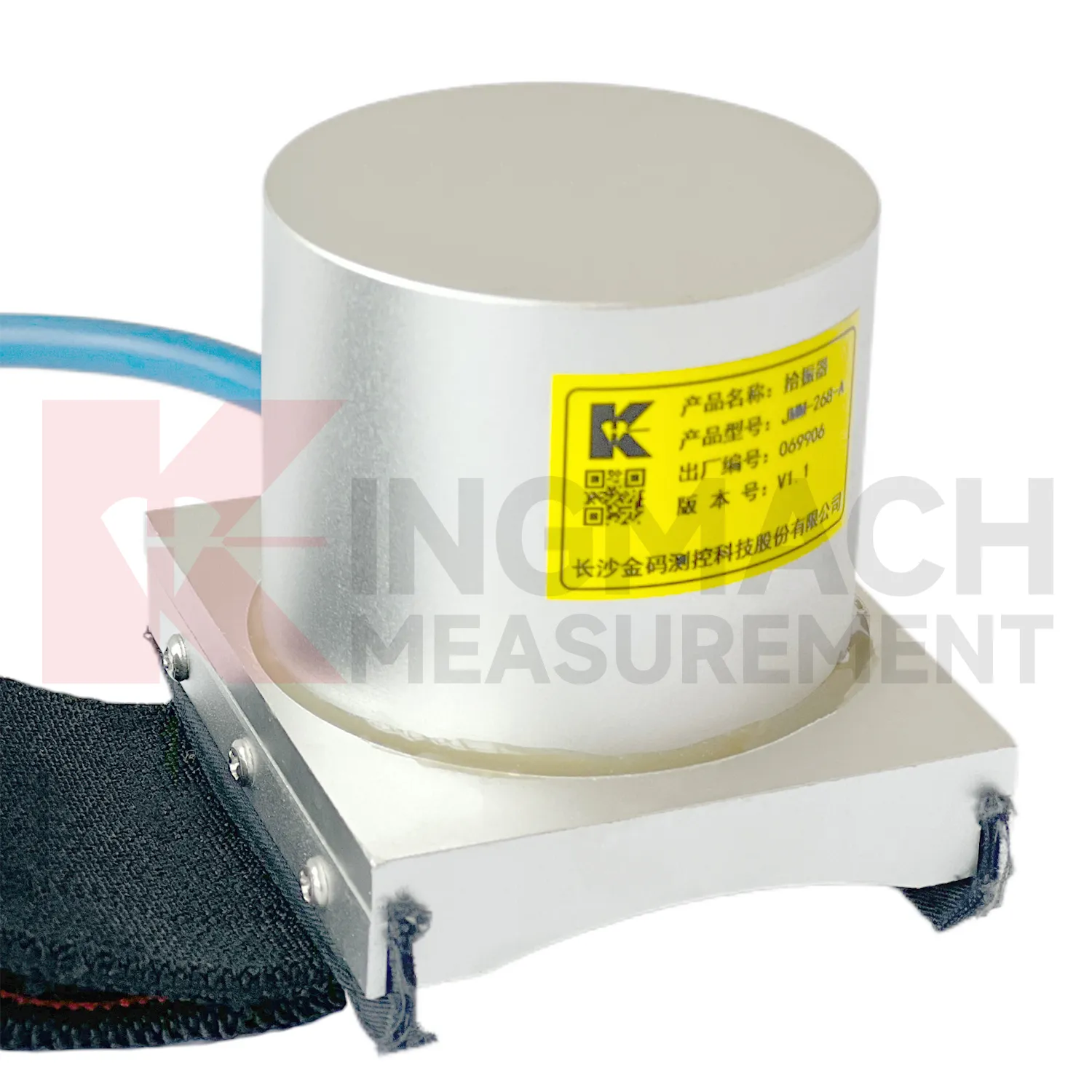
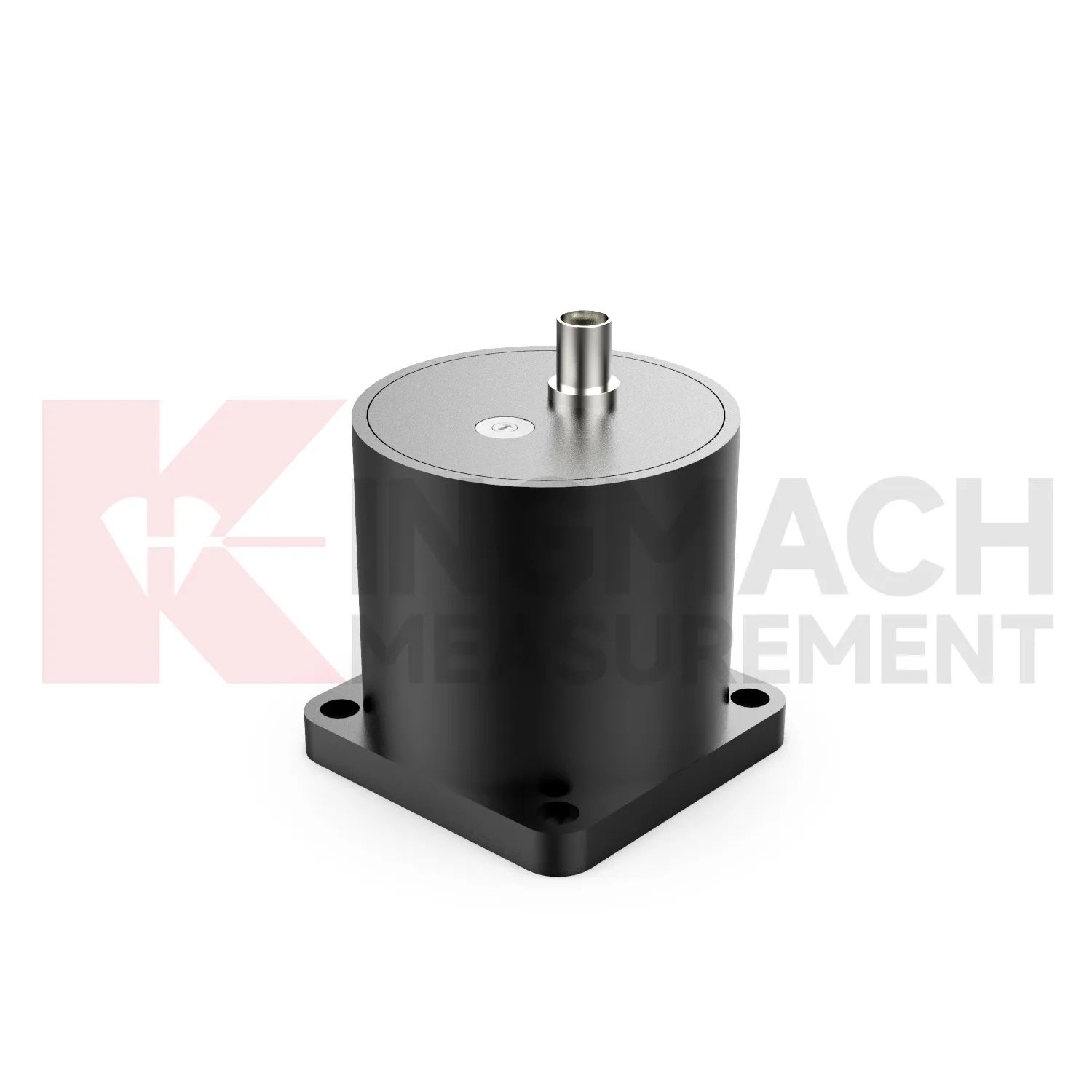
Most geotechnical failures don’t happen overnight—they start with tiny shifts that go unnoticed until it’s too late. Vibrating wire sensors have become a workhorse in long-term monitoring because they shrug off electrical noise and drift less than many alternatives. Kingmach supplies these sensors not as off-the-shelf commodities, but as instruments tailored to the specific demands of dams, tunnels, deep excavations, and structural health projects. Their frequency-based output travels long cable runs without signal degradation, which matters when your monitoring points are hundreds of meters apart. Whether you’re tracking strain in concrete piles or pore pressure behind a retaining wall, the right sensor configuration makes the difference between catching a trend early and reacting to a failure. Kingmach’s lineup covers strain gages, piezometers, load cells, displacement transducers, and crack meters—all built around the vibrating wire principle. Each one is backed by a team that understands that field conditions rarely match a spec sheet, so they’re ready to customize housings, ranges, and cable lengths to fit your site.
Technical Detail
A vibrating wire sensor works by exciting a tensioned steel wire and measuring its resonant frequency, which changes proportionally to the physical parameter being monitored—be it strain, pressure, or displacement. This design inherently resists electromagnetic interference and offers excellent long-term stability, which is why you’ll find them embedded in critical infrastructure worldwide. At Kingmach, the range of vibrating wire sensors covers most monitoring needs you’re likely to encounter. Their strain gages come in arc-weldable and embedment versions, with ranges from 3,000 to 5,000 με and sensitivity down to 1 με. Piezometers are available in low- and high-pressure models, with typical accuracy within 0.1% F.S. Displacement transducers can be configured for 25 mm to 200 mm travel, and load cells support capacities from 200 kN to 5,000 kN. Each sensor type uses stainless steel construction and includes built-in thermistors for temperature compensation. Customization is central to Kingmach’s approach. If your borehole diameter is non-standard, or you need extended cable runs with specific connector types, the engineering team works from your project’s specifications rather than forcing you to adapt to a catalog part. Distribution spans Asia, the Middle East, South America, and Europe, with after-sales support that helps with installation planning and troubleshooting. The real value, though, comes from the data reliability—when a sensor stays stable for years without recalibration, the total cost of ownership drops sharply compared to systems that need frequent re-zeroing.
News
Key Takeaways An alert chain needs more than a sensor: define field in...
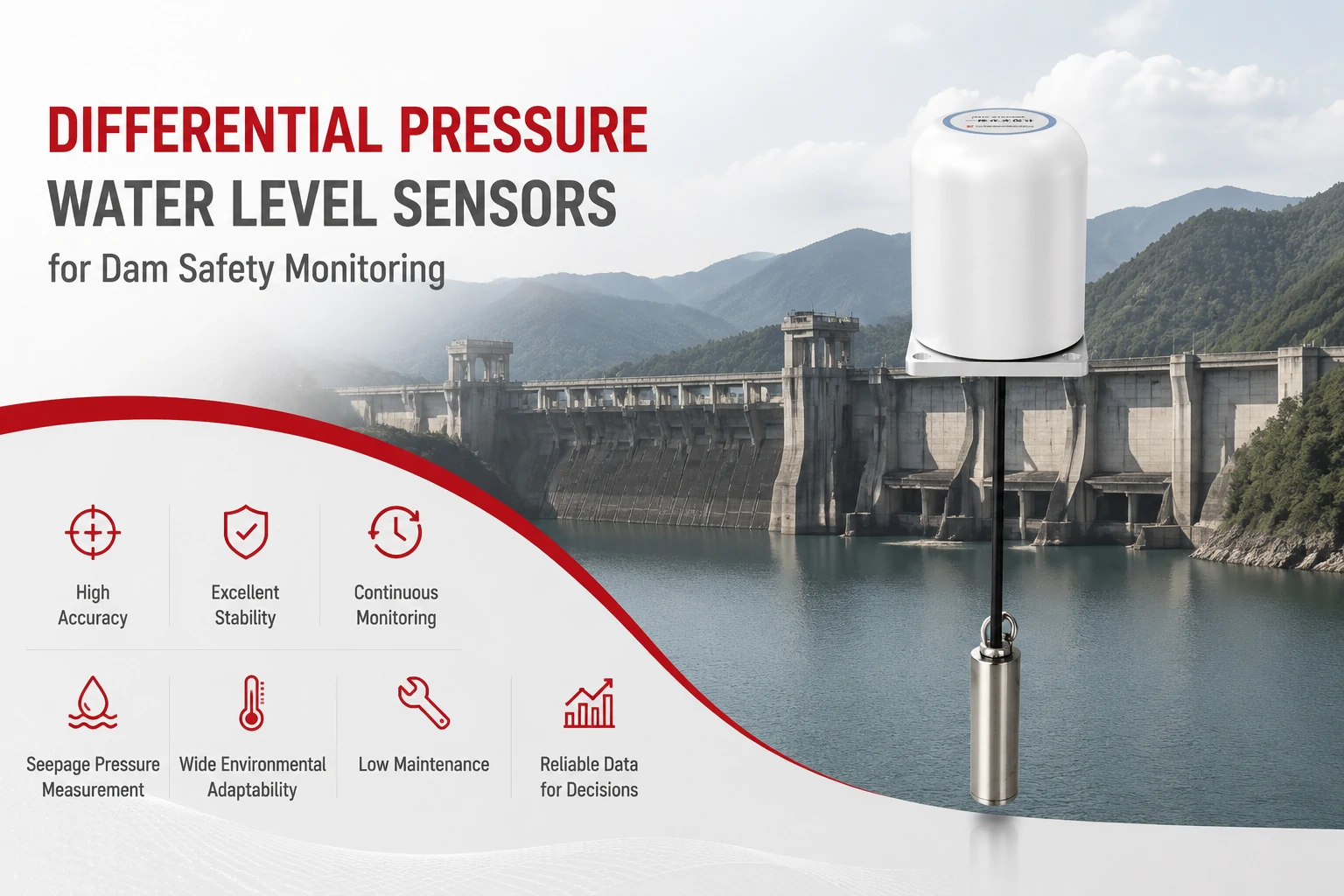
Key Takeaways The strongest fit is usually a confined, submerged, or s...
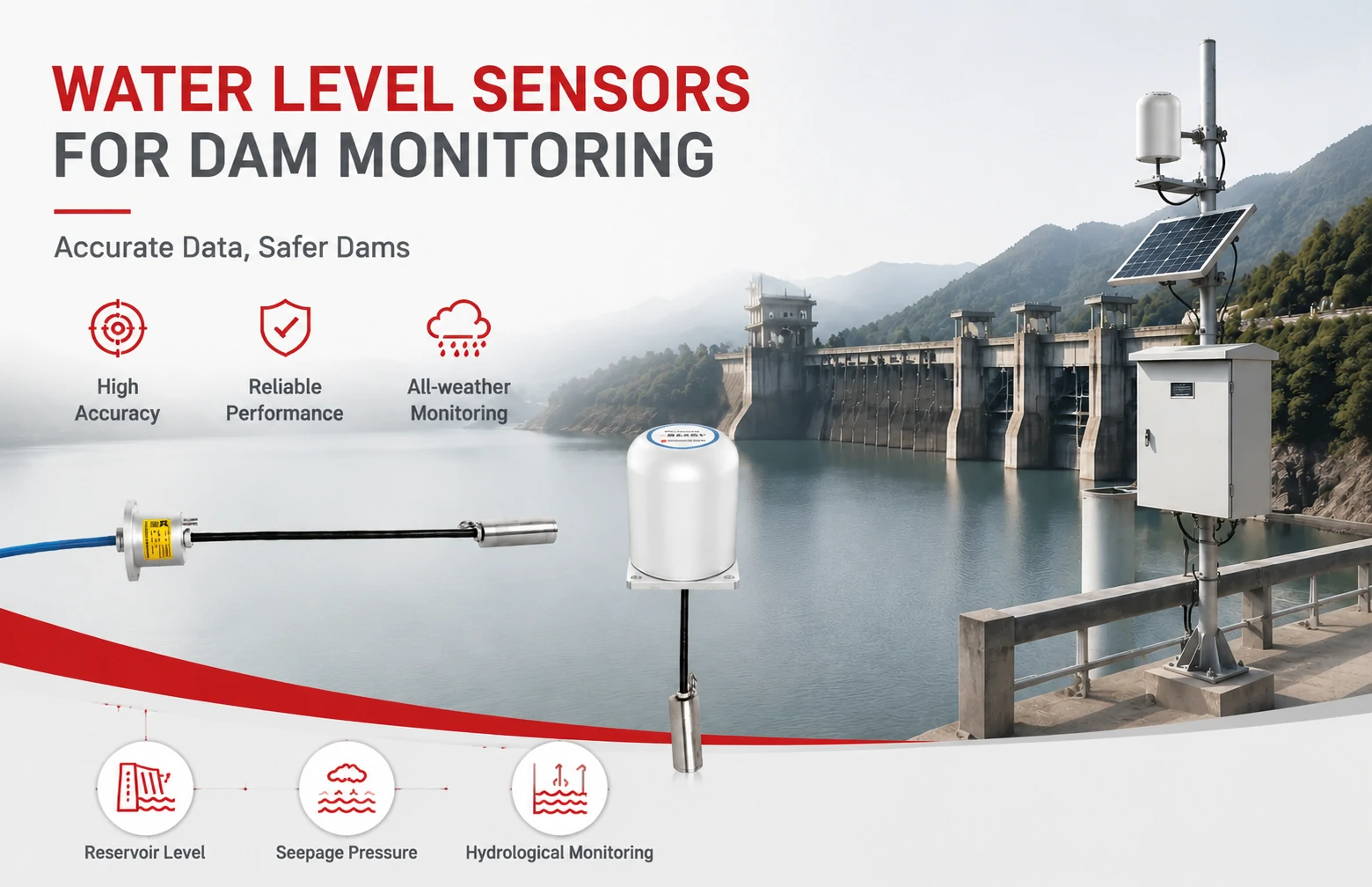
Kingmach Water Level Sensors for Dam Monitoring: A Buyer's Guide to Differential Pre...
Products
FAQ
For anything that needs to stay accurate over several years, vibrating wire sensors usually win on drift performance. MEMS are cheaper and smaller, but their long-term stability isn’t in the same league—especially in harsh conditions. If you’re monitoring a dam or a foundation where changes are subtle and slow, a vibrating wire sensor gives you cleaner data without constant re-calibration. Kingmach can help you match the sensor type to your project’s duration and environment.
Yes, they can. Arc-weldable models attach directly to structural steel, while embedment gages are designed to be cast into concrete. The installation method differs, but the sensor principle stays the same. Kingmach supplies both types, and if you’re working with a material that requires a different bonding approach, their customization service can work out a mounting scheme that fits.
A portable vibrating wire readout unit is the standard tool for spot checks—it excites the wire and displays the frequency or engineering units. For automated logging, these sensors connect easily to many data loggers that support vibrating wire inputs. Kingmach can recommend compatible loggers or supply their own readout devices, and they’ll often help with wiring diagrams if you’re integrating into an existing system.
With proper installation and no physical damage, it’s not unusual for these sensors to operate for 20 years or more. The wire is made of high-tensile steel and is sealed in a stable atmosphere. The limiting factor is usually the cable or external corrosion, not the sensing element. Kingmach uses stainless steel housings and robust cable jackets to extend service life, and they can discuss the expected longevity based on your site conditions.
Each sensor comes with a factory calibration sheet that traces back to recognized standards. Installation support varies—Kingmach’s technical team can walk your crew through the process remotely, and in some regions, they can arrange on-site supervision. It’s best to discuss your project’s needs early so they can include any specific documentation or hands-on assistance in the proposal.
Share your product type, target capacity, and application requirements. Our team can review the details and recommend a practical next step.
If you are interested in our products or want to become our partner.
Please leave your contact information, our team will contact you as soon as possible.
Mail: [email protected]
Contact Us: +8613808434127
Address: No. 188 Tongzipo West Rd, Changsha, Hunan, China