
 EN
EN
 ar
ar bg
bg hr
hr cs
cs da
da nl
nl fi
fi fr
fr de
de el
el hi
hi it
it ko
ko no
no pl
pl pt
pt ro
ro ru
ru es
es sv
sv tl
tl iw
iw id
id lv
lv lt
lt sr
sr sk
sk sl
sl uk
uk vi
vi et
et hu
hu th
th tr
tr fa
fa ms
ms hy
hy ka
ka ur
ur bn
bn mn
mn ta
ta kk
kk uz
uz ku
ku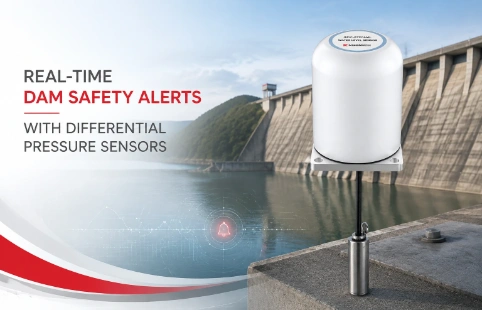
Real-Time Dam Safety Alerts with Differential Pressure Water Level Sensors
Key Takeaways An alert chain needs more than a sensor: define field in...

Wireless Vibration Sensors That Cut Down Cabling Hassle
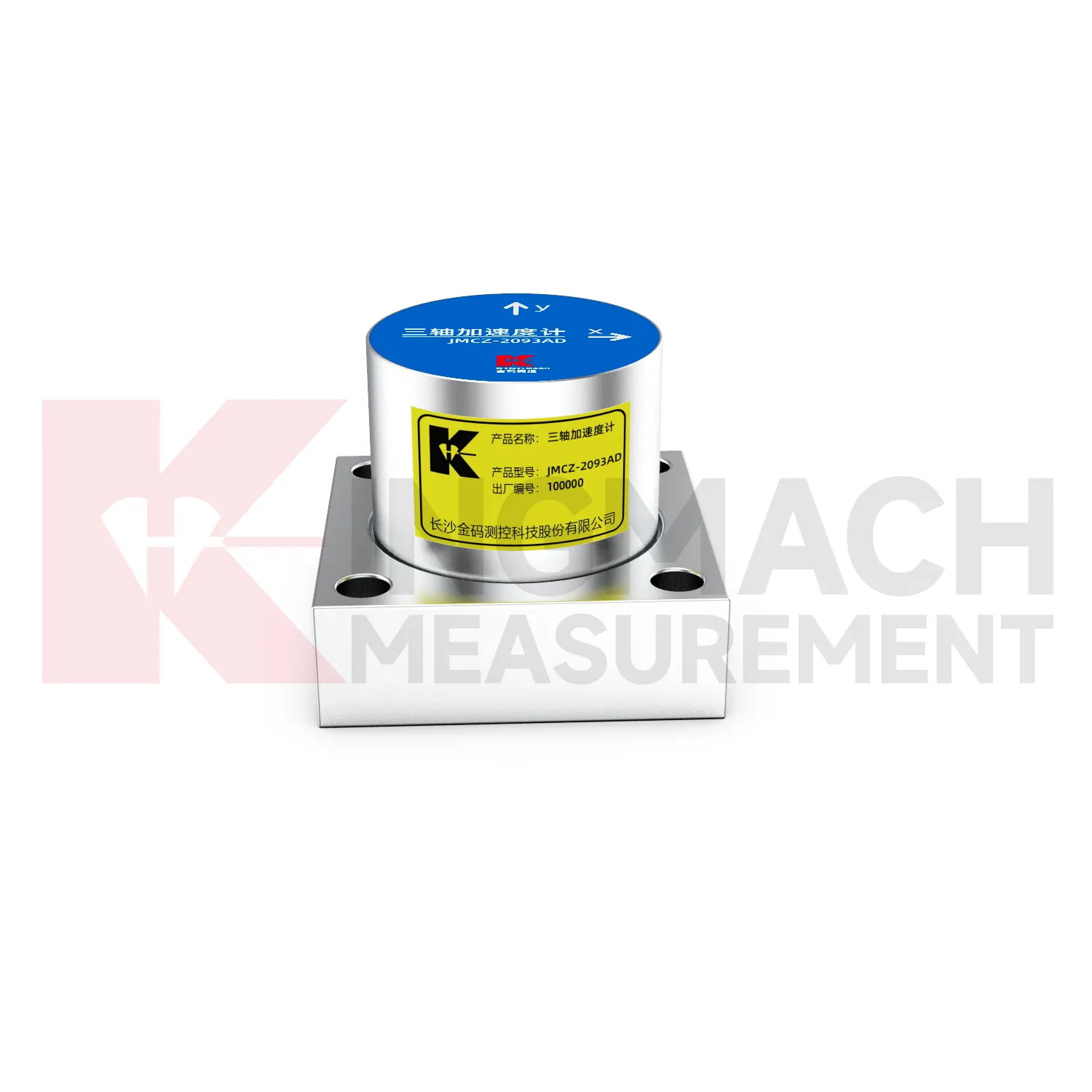
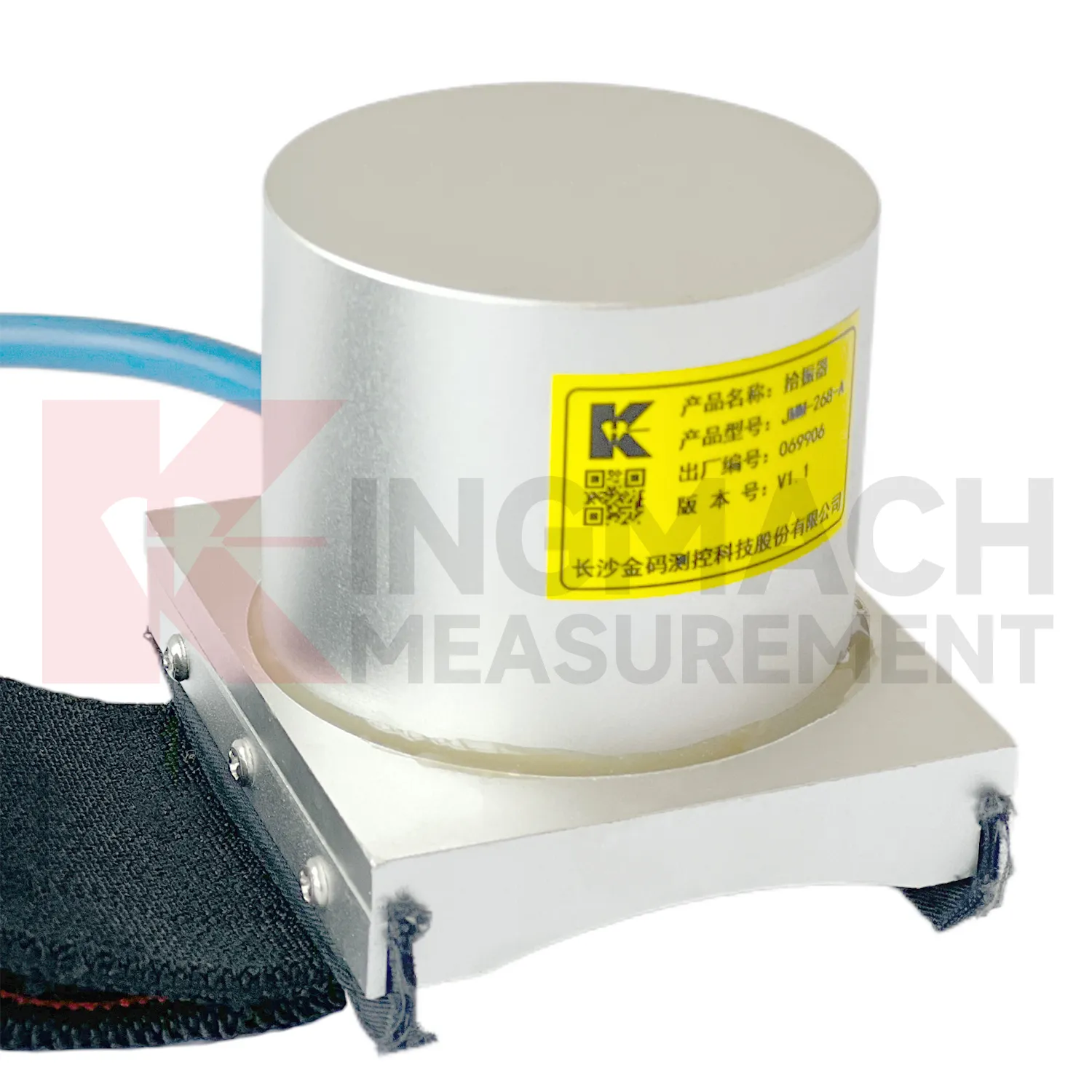
A lot of monitoring jobs still get bogged down by cables. Stringing wires across a bridge or a deep excavation adds cost, takes time, and introduces failure points. Wireless vibration sensors change that, and they’ve become common enough that the question is no longer “do they work?” but “which ones fit my project best?” Kingmach Measurement & Monitoring Technology focuses on geotechnical instruments, so their wireless vibration sensors were built with field conditions in mind—dust, moisture, distance, and all the surprises real sites throw at you. You get the same vibration data but without the trenching and conduit. For mid-sized monitoring networks where you want professional-grade gear without the top-tier price tag, they fill a gap that a lot of OEMs ignore.
Technical Detail
The core of any wireless vibration sensor is about getting reliable acceleration or velocity data back to a place where someone can use it. Kingmach’s versions typically sample vibrations on three axes and push that data over standard industrial wireless protocols—LoRa, Zigbee, or sometimes Wi-Fi depending on the range you need. What makes them practical is the way they handle power. Built-in batteries are designed to last through multi-month monitoring campaigns, and low-power modes keep them alive even when you need high-frequency sampling only once in a while. The housing is usually an IP65 or IP67-rated metal shell because a sensor living outside near a vibrating pile driver or on a tower leg has to survive more than just rain. On the software side, data lands on a cloud platform or local server, where you can set up alarms for threshold exceedances and view trend lines without writing scripts. Kingmach being a geotechnical instrument manufacturer means these sensors are often bundled with tiltmeters, piezometers, or crack meters in the same dashboard—handy when you’re tracking both settlement and vibration from nearby blasting. Their global distribution network makes procurement simpler if you’re running projects across different countries, and their after-sales team can walk you through installation quirks like antenna placement near thick concrete walls. You’re not buying an off-the-shelf gadget and hoping it works; you’re getting something that can be adapted to your specific frequency range or measurement interval before it ships.
News
Key Takeaways An alert chain needs more than a sensor: define field in...
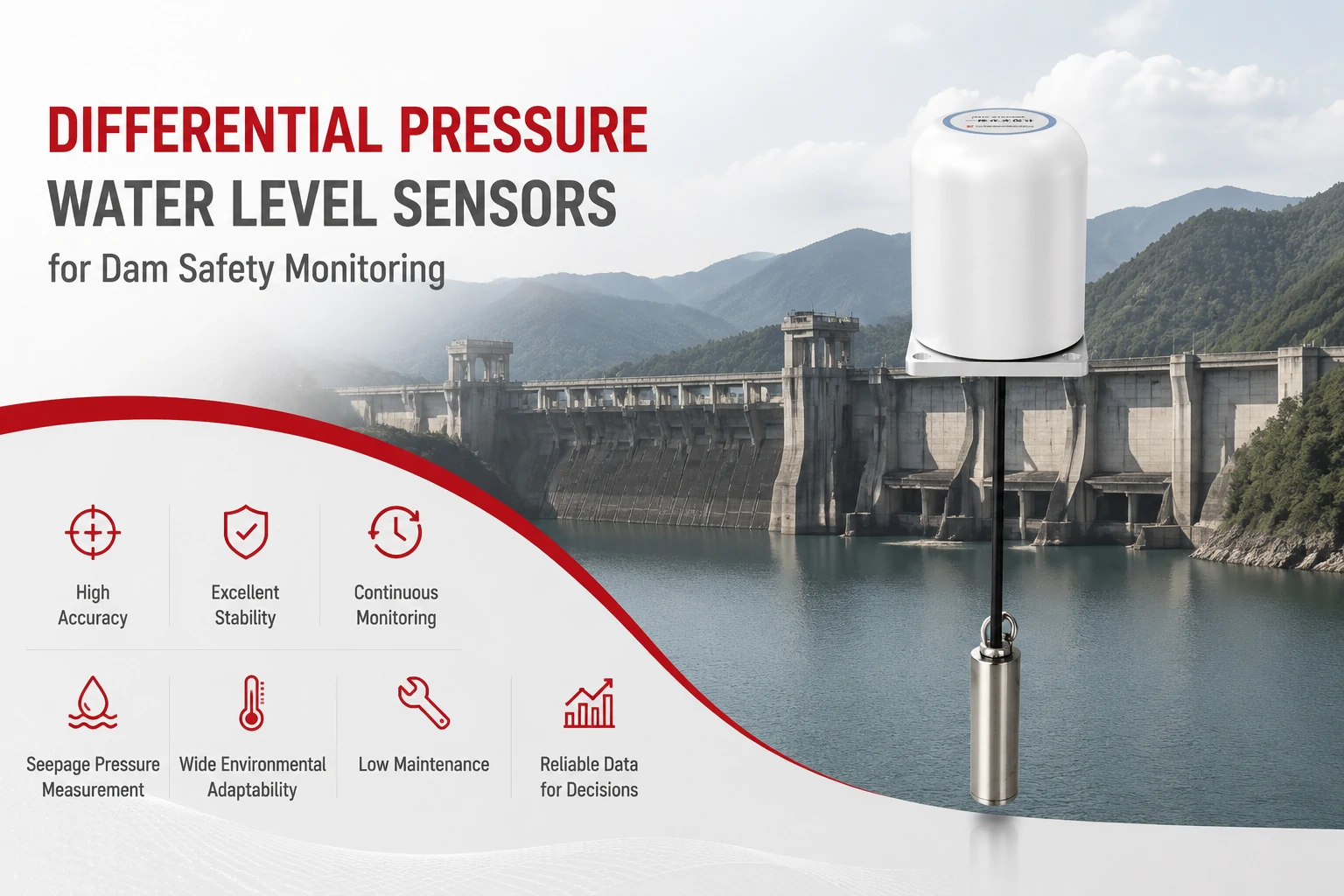
Key Takeaways The strongest fit is usually a confined, submerged, or s...
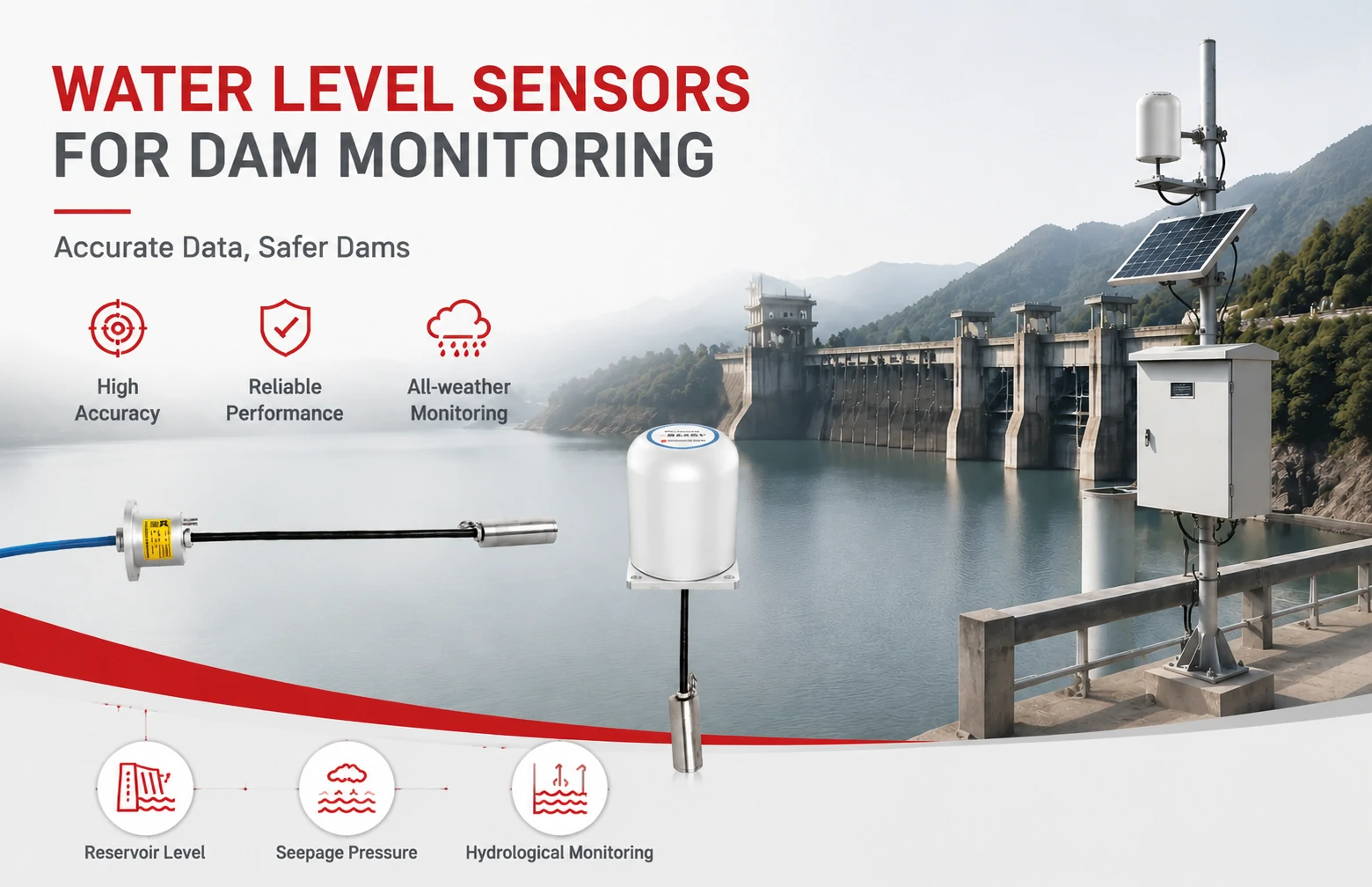
Kingmach Water Level Sensors for Dam Monitoring: A Buyer's Guide to Differential Pre...
Products
FAQ
It depends on the protocol used and the site. With LoRa, line-of-sight can reach a few kilometers, but inside a steel-framed building or deep excavation, that drops quite a bit. Kingmach usually helps you do a quick site survey first to figure out repeater placements.
Most models will easily last 12 to 18 months at that interval. If you need continuous streaming at 100 Hz, the battery drains within days or weeks, so we often suggest a hybrid mode—triggered high-frequency bursts only when vibration crosses a threshold.
Usually yes. The gateway outputs data via Modbus TCP or MQTT, so if your platform can talk those, integration is straightforward. Customization on the output format is available if needed.
Both. They’re often used for 6-month tunnel jobs, then repurposed. The magnetic base or quick-mount bracket makes moving them easy, but the enclosures are tough enough for permanent outdoor use too.
Common ranges are ±2 g or ±16 g, with frequency response up to a few hundred Hertz. For blasting or heavy impact, you’d pick a higher-g model; for ambient monitoring, a lower range with better resolution works better.
Share your product type, target capacity, and application requirements. Our team can review the details and recommend a practical next step.
Related Keywords
If you are interested in our products or want to become our partner.
Please leave your contact information, our team will contact you as soon as possible.
Mail: [email protected]
Contact Us: +8613808434127
Address: No. 188 Tongzipo West Rd, Changsha, Hunan, China